Episode Summary
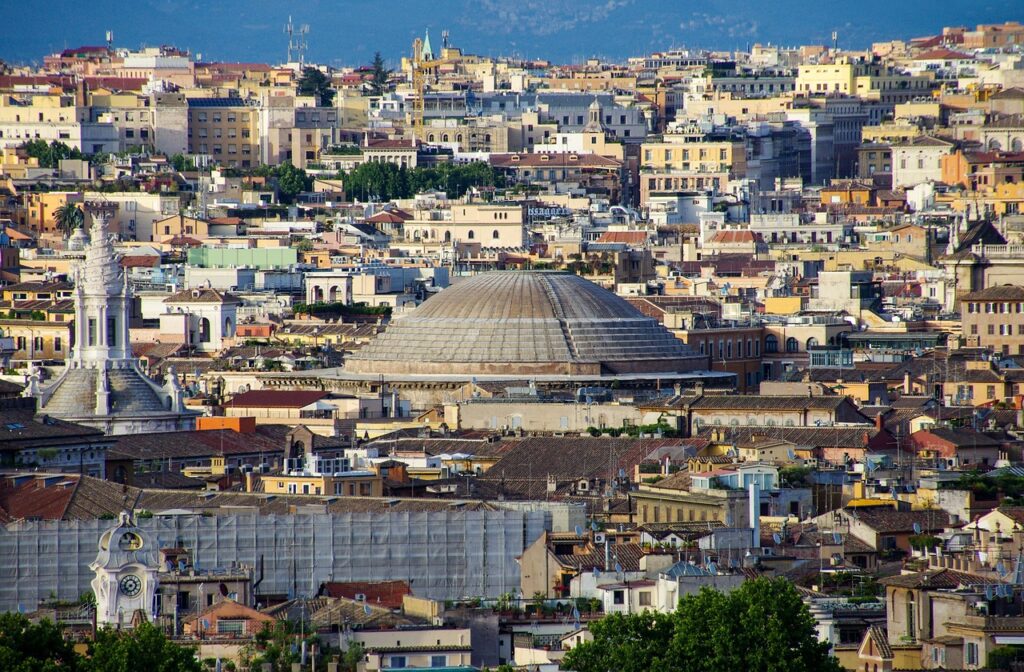
In Episode 2 of Stanley Tucci: Searching for Italy, Stanley visits the Eternal City—Rome. Through conversations with locals, chefs, and food historians, he explores the powerful simplicity of Roman cuisine rooted in ancient history. From pasta dishes like carbonara and cacio e pepe to Jewish-Roman classics and offal delicacies, the episode highlights how tradition, struggle, and creativity shape the city’s culinary identity.
Regional Food History & Cultural Context
Rome’s cuisine reflects its complex social and imperial past. Ancient Roman food emphasized grains, legumes, and fermented sauces like garum. Over centuries, ingredients like pecorino romano, black pepper, and guanciale became essential to its food identity.
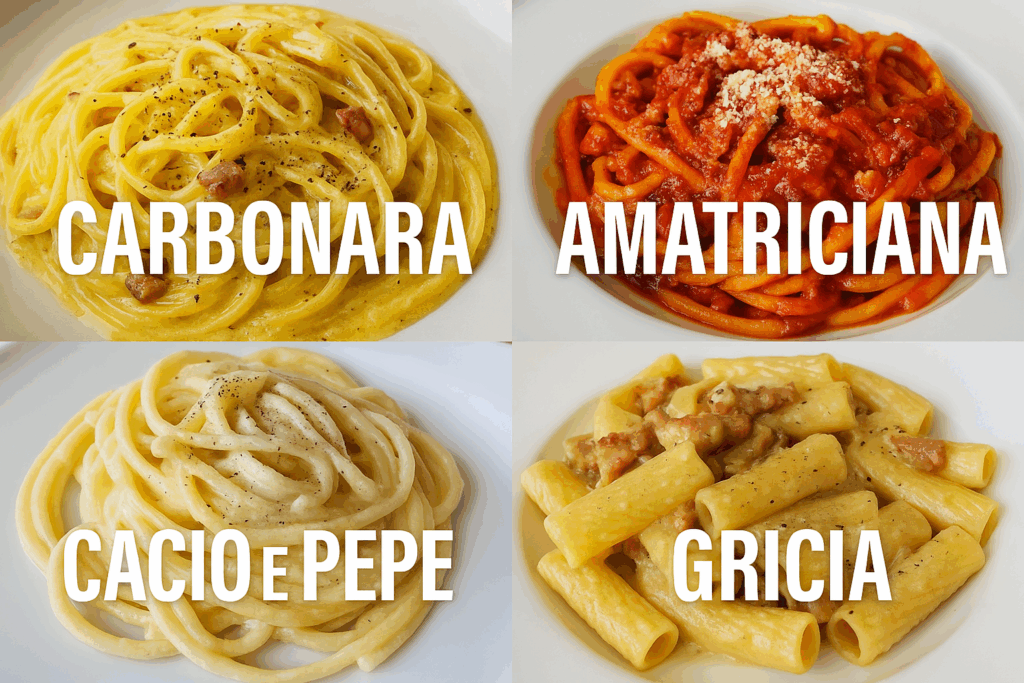
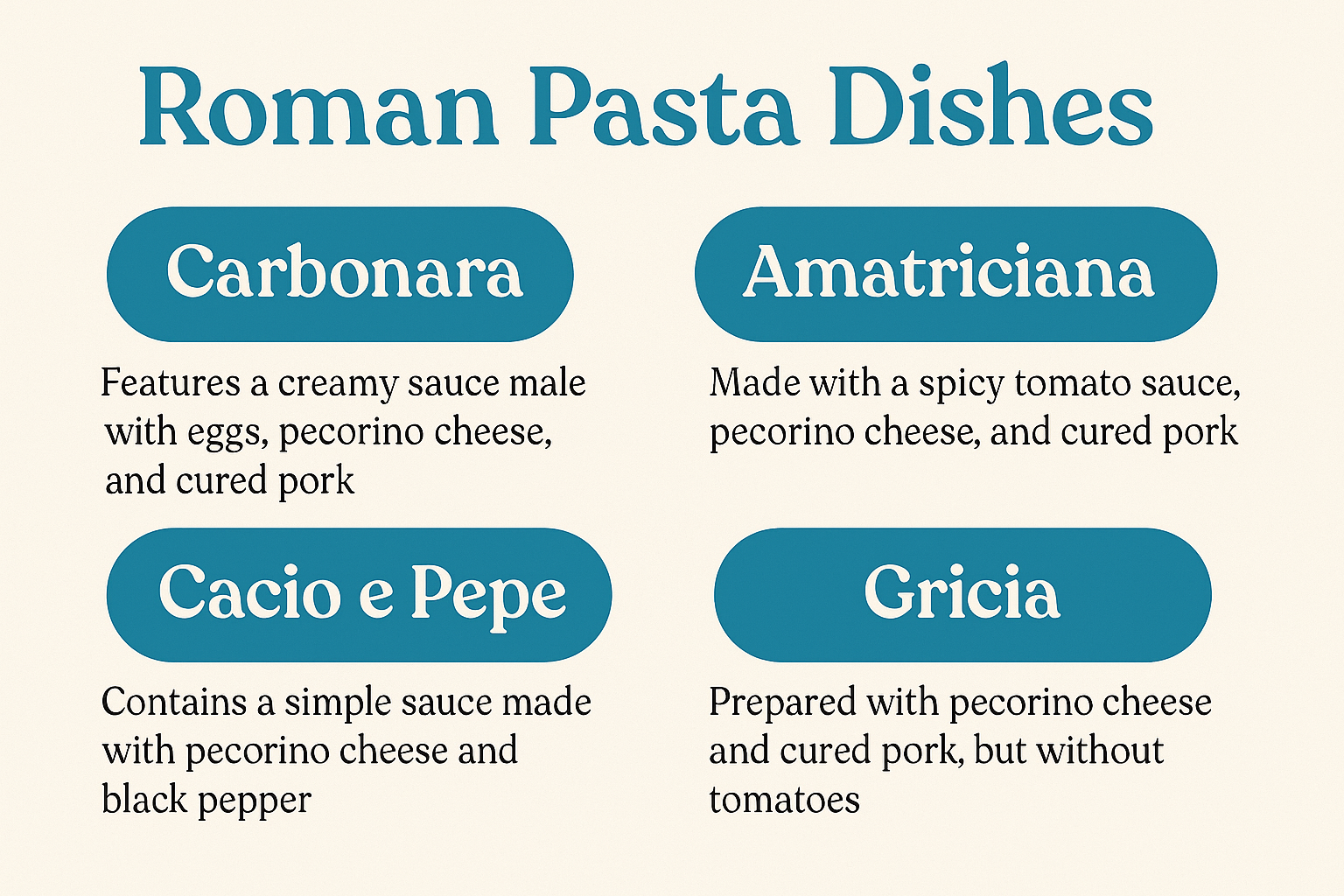
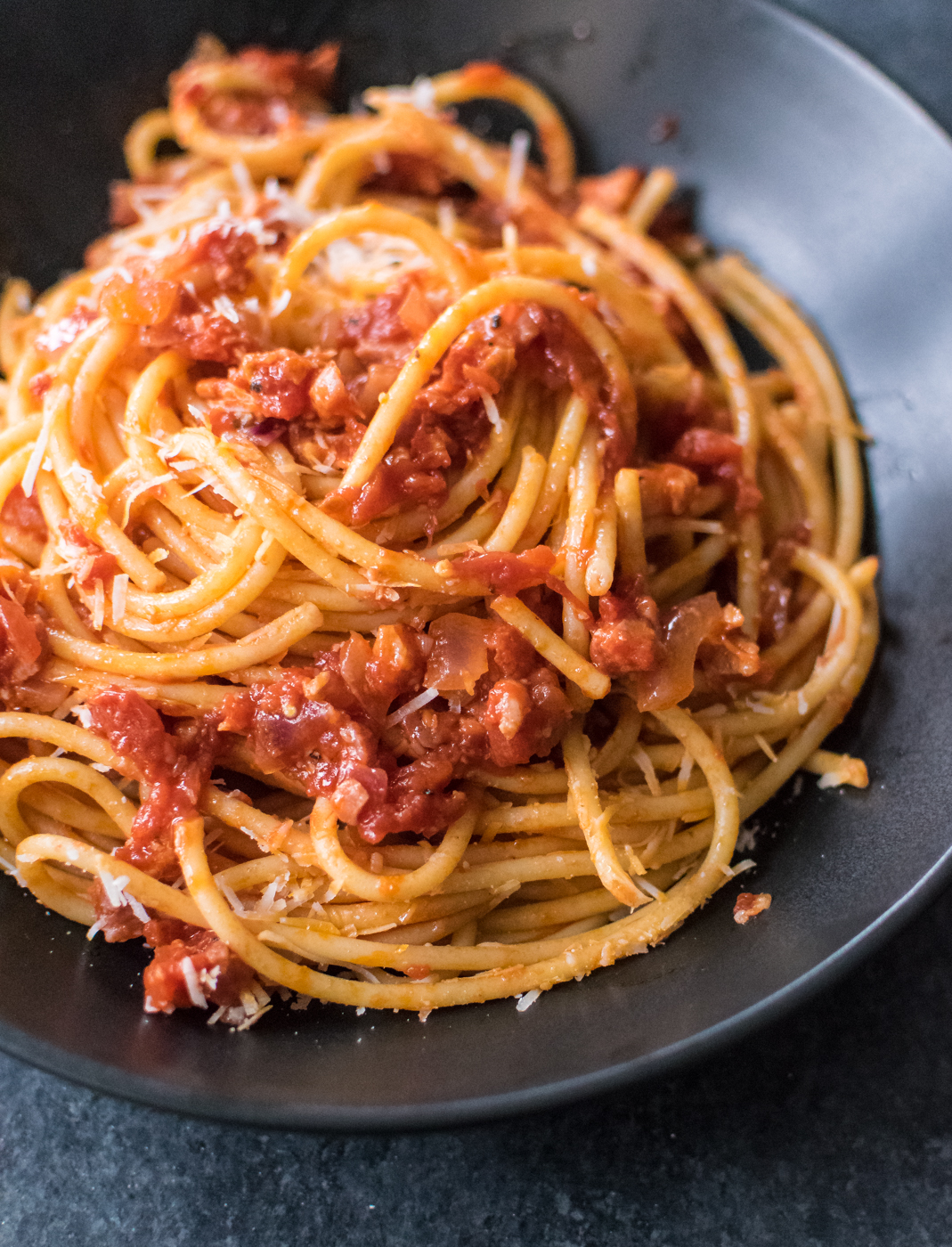
Post-WWII poverty gave rise to many iconic dishes using humble ingredients—hence the fame of the “quattro paste” (four pastas): carbonara (egg, cheese, and pork pasta), amatriciana (tomato and guanciale pasta), cacio e pepe (cheese and black pepper pasta), and gricia (pork and pecorino pasta without tomato). The Roman-Jewish community also played a crucial role, introducing dishes like carciofi alla giudia (deep-fried artichokes) and sweet almond cookies.
Today, Roman cuisine still embodies bold flavors, minimalism, and history on a plate.
Featured Restaurants & What Stanley Ate
- Armando al Pantheon: Cacio e pepe, Amatriciana
- Roscioli Salumeria con Cucina: Carbonara with aged pecorino and guanciale
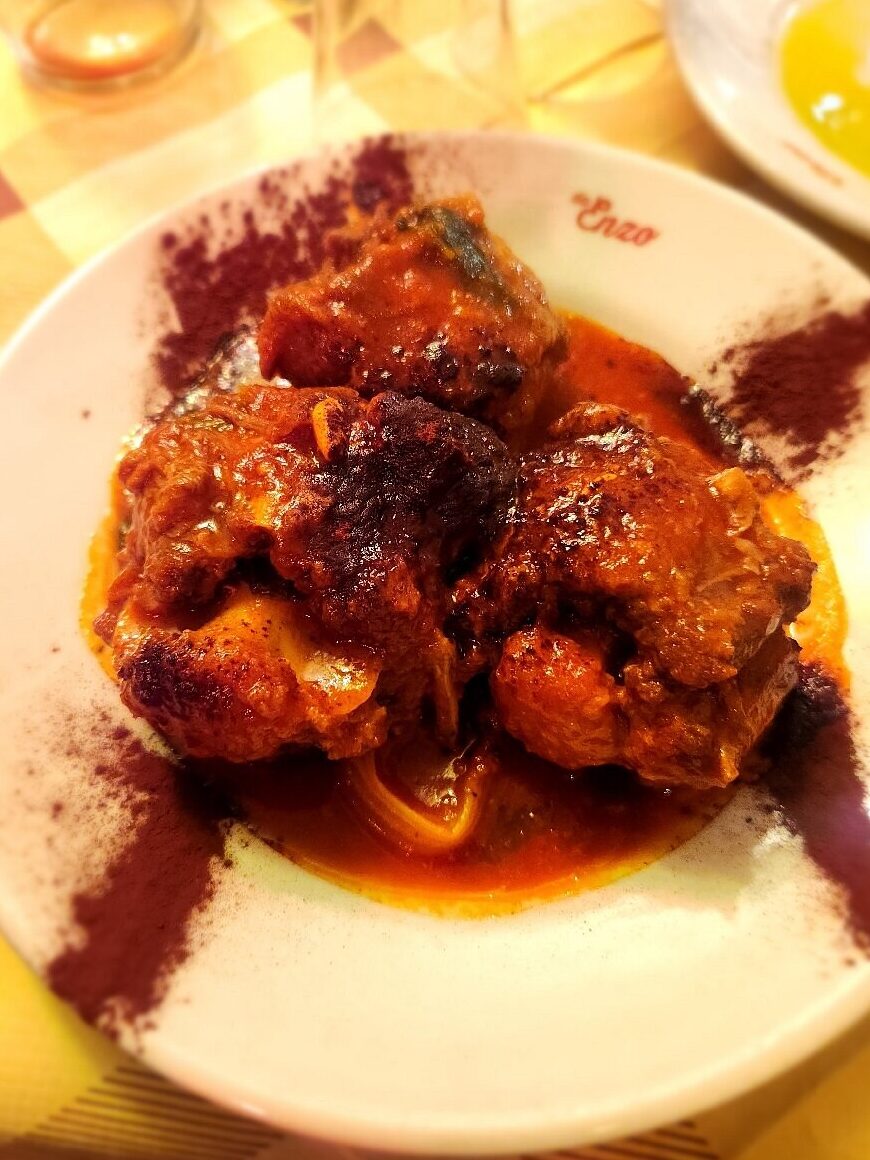
- Da Enzo al 29: Coda alla vaccinara (oxtail stew)
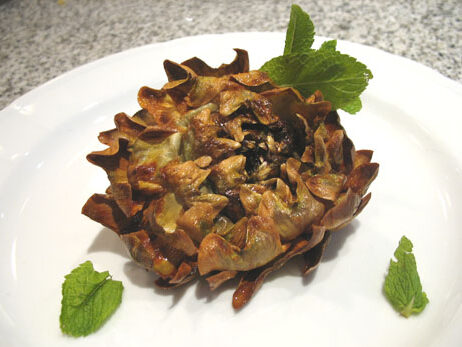
- Nonna Betta (Jewish Ghetto): Carciofi alla giudia (Jewish-style artichokes), fried zucchini flowers
- Pasticceria Boccione: Ricotta and cherry tart (Crostata di ricotta e visciole)
✈️ Travel Tips for Visiting Rome
Getting There:
- Rome has two main airports: Fiumicino (FCO) and Ciampino (CIA). Both are accessible via train, bus, or taxi.
Where to Stay:
- Trastevere: for charming alleys and trattorias
- Centro Storico: walking distance to landmarks like the Pantheon and Trevi Fountain
- Monti: trendy, artsy vibe near the Colosseum
Best Time to Visit:
- Spring and fall are ideal—warm, lively, but not overwhelming.
- August is very hot and many locals leave the city.
Local Experiences Beyond Food:
- Tour the Colosseum and Roman Forum
- Visit Vatican City & the Sistine Chapel
- Explore the lesser-known Testaccio neighborhood, Rome’s true food heart
Make It Delicious:
- Book pasta-making classes or market tours
- Many trattorias don’t accept reservations—go early or be patient
- Don’t miss aperitivo hour around Campo de’ Fiori or Piazza Navona
By savoring Rome’s timeless recipes and walking its ancient streets, your experience becomes a living bridge between past and present—just like Tucci’s Roman adventure.
➡️ What’s next on the map?
Discover S1E3 Bologna with Stanley Tucci — the culinary heart of Italy, where handmade pasta and Parmesan reign.