Sparkling water hydrates about as well as still water. But not all bubbles are equal, and how you drink them matters.
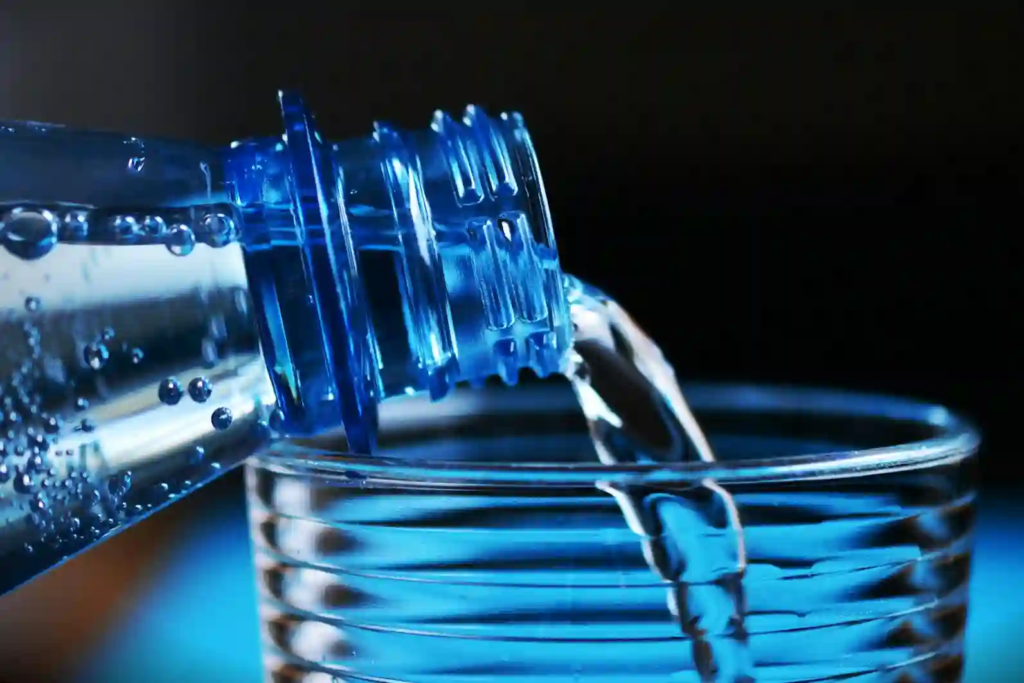
💧 Why your body loves water
Staying well‑hydrated helps your body think clearly, regulate temperature, move nutrients, keep digestion regular, and lower kidney‑stone risk. Even mild under‑hydration can nudge mood and attention off track. Replacing sugary drinks with water also cuts empty calories.
🧪 Are all waters the same?
Not quite. Here’s the 1‑minute chemistry and labeling guide:
- Still water: H₂O with natural or added minerals. Usually near‑neutral pH.
- Sparkling (seltzer) water: H₂O + dissolved CO₂ → a little carbonic acid (so it’s slightly acidic). Ingredients should read only “carbonated water.”
- Sparkling mineral water: Naturally sourced water with minerals (e.g., calcium, magnesium, bicarbonate) and bubbles—sometimes higher in sodium.
- Club soda: Carbonated water with added salts (often sodium bicarbonate/citrate). Taste is slightly salty; sodium can be higher.
- Tonic water: Carbonated, sweetened + quinine. Not a water swap.
Bottom line: For everyday hydration, choose plain still or plain sparkling (no sugar, no sweeteners). If you watch sodium, check the label—some mineral waters and club sodas run high.
✨ Does sparkling actually hydrate like still?
Yes—when it’s plain. Recent beverage‑hydration research shows that carbonation itself doesn’t reduce your body’s ability to hold onto water. In everyday terms: a glass of unsweetened seltzer hydrates about the same as still water. What changes BHI (beverage hydration index) more are electrolytes and sugars, not bubbles.
Tip: Bubbles can make you feel full faster, so some people naturally drink less sparkling than still.
🫧 If it’s “the same,” which sparkling should you pick?
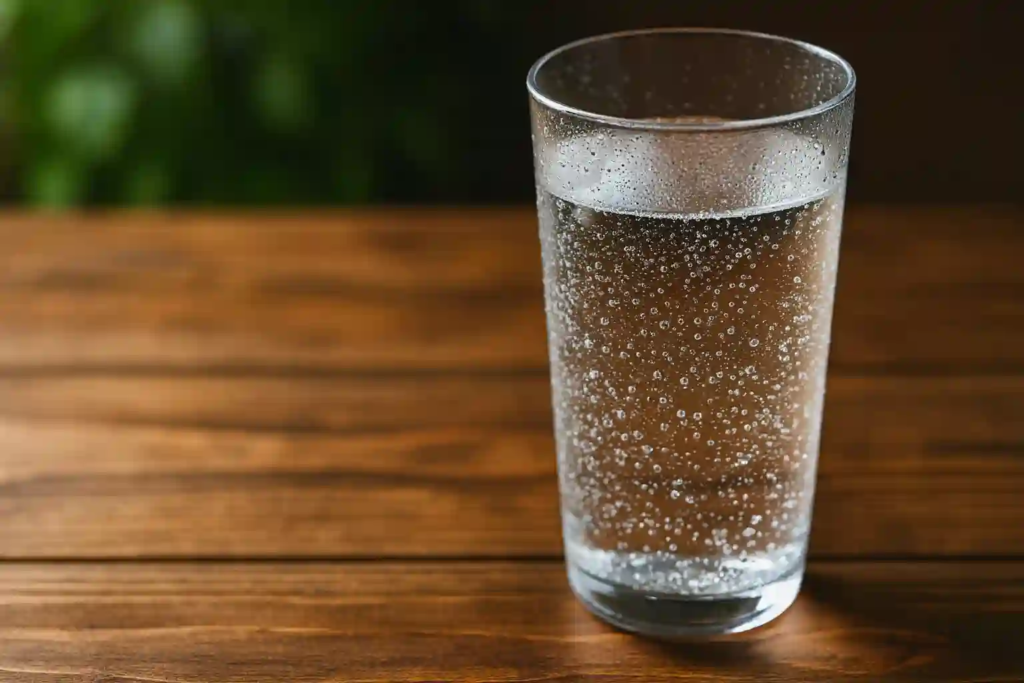
To get still‑water‑like benefits, pick plain varieties:
- Ingredients: only carbonated water (no sugar, no “diet” sweeteners).
- Flavor: If you want flavor, choose unsweetened, naturally flavored options without added acids—or add fresh fruit to your glass.
- Sodium: Prefer low‑sodium bottles if you track blood pressure or get kidney stones.
⚠️ When bubbly can backfire
Even healthy habits have caveats. Watch for:
- Teeth: Acidic drinks can wear enamel over time. Plain seltzer is much gentler than soda, but flavored/acid‑enhanced waters can lower pH more. Don’t sip all day. Have it with meals, use a straw if you like, rinse with still water, and wait 30 minutes before brushing.
- Gut: Carbonation can bloat or trigger reflux in sensitive people (IBS/GERD). If that’s you, keep fizzy for earlier in the day or around meals—or favor still.
- Kidney stones: The most protective habit is high urine volume. Sparkling is fine, but avoid very salty waters and keep overall sodium low if you’re a stone‑former.
🥤 So…how should you drink water?
Here’s the 3‑step plan:
- Anchor moments: After waking, with lunch, with dinner. Use simple cues—pale‑yellow urine, fewer headaches, steadier energy.
- Pick the right drink for the moment: Still for workouts/long sips; plain, low‑sodium sparkling with meals for variety.
- Protect teeth & gut: Keep fizzy sessions short, have them with food, rinse with still water, and wait ~30 minutes before brushing. If you have reflux/bloating or a history of kidney stones, favor still and avoid high‑sodium or citrus‑acid waters.
🏠 Make It Bubbly at Home
Recommended picks:
- aarke – Carbonator III Premium Carbonator‑Sparkling & Seltzer Water Maker
- aarke CO₂ Gas Refill Pack – 2 Cylinders
Why a home soda maker? You control the ingredients (just water + CO₂), keep sodium and acids low, save money and plastic, and still get the same hydration as still water. Use bubbly with meals, keep still water as your base—especially for workouts or if you’re sensitive to fizz.
What to buy: A simple sparkling water maker that uses standard CO₂ cylinders, has BPA‑free bottles, and (ideally) an easy quick‑connect. Skip sugar/syrup add‑ins if you want “still‑water‑equivalent” hydration.
How to use for best results:
- Chill water very cold before fizzing (better bubbles, less burping).
- Use 2–3 short presses instead of one long blast; stop when you hear the buzz.
- Drink bubbly with food; rinse with still water after. Replace bottles per the label.
📚 References
- Millard-Stafford M, et al. The Beverage Hydration Index: Influence of Electrolytes, Carbohydrate and Protein. Nutrients. 2021;13(9):2933.
- American Dental Association (ADA). Dental Erosion—Oral Health Topic (updated 2021); and press release: Acids in sugar-free drinks can erode enamel (2022).
- American Urological Association (AUA). Medical Management of Kidney Stones Guideline. Updated 2024–2025.
⚠️ This blog is for informational purposes only and not intended as medical advice. Please consult a healthcare provider before making changes to your diet or trying new supplements.
💛 Some links in this post are Amazon affiliate links. If you choose to purchase through them, you’re supporting this blog—thank you so much for being here.