Why Sweet Mornings May Be Spiking Your Blood Sugar (and Mood)
📌 Quick Navigation:
- Phil’s Sugary Start in Amsterdam
- The Truth About Sweet Breakfasts
- Protein First: A Smarter Start to Your Day
- Eat This First: The Order That Changes Everything
- References
🍽️ Phil’s Sugary Start in Amsterdam

In Season 8 of Somebody Feed Phil, Phil visits a charming Amsterdam café known for its fruit-topped pancakes dripping with syrup, followed later by a warm, chewy stroopwafel — a caramel-filled Dutch delight.
You can almost taste the sugar. Your eyes widen, your pulse quickens. It’s not just your sweet tooth — it’s your whole body responding. That jolt of pleasure you feel? It’s your sympathetic nervous system firing up — a sugar-fueled wake-up call.
👉 Watch the full scene in Somebody Feed Phil – S8E1: Amsterdam
❗The Truth About Sweet Breakfasts
Pancakes, donuts, even “healthy” cereals — these are often marketed as convenient or comforting. But they’re usually loaded with simple sugars (monosaccharides) that digest quickly and spike blood glucose levels.

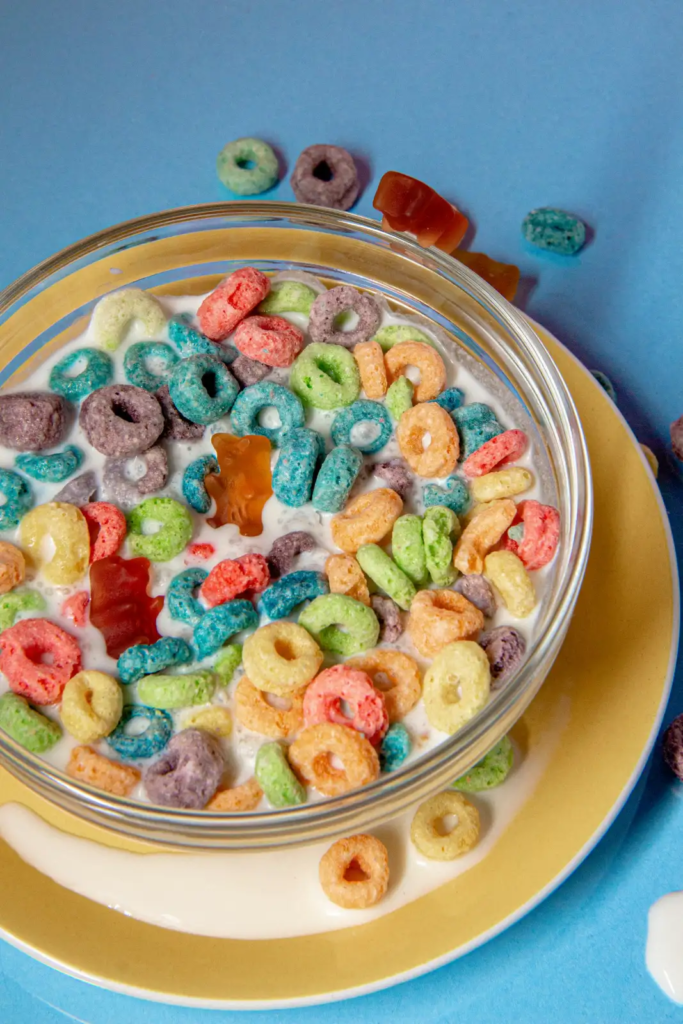
This can cause:
- Sudden energy crashes
- Increased hunger shortly after eating
- Overproduction of insulin, leading to fatigue or long-term insulin resistance
Studies show that high-glycemic breakfasts may lead to poor appetite regulation and higher overall calorie intake throughout the day (Ludwig et al., JAMA, 1999).
💪 Protein First: A Smarter Start to Your Day
Eating protein first thing in the morning offers multiple benefits:
- Slows down digestion
- Promotes muscle maintenance (especially important with age)
- Helps with blood sugar regulation
- Increases satiety and reduces cravings
A 2022 meta-analysis in Nutrients found that protein-rich breakfasts improve post-meal glucose response and insulin sensitivity, especially when eaten before carbs (Nutrients, 2022).
⏱️ Eat This First: The Order That Changes Everything

It’s not just what you eat — it’s how you eat it.
According to research published in Diabetes Care, eating protein and vegetables before carbohydrates can significantly reduce post-meal glucose levels by as much as 29% (Shukla et al., 2015).
This is called the food order effect, and it can be a simple yet powerful tool for blood sugar management.
🔗 Read Part 2: A Practical Guide to Building a Smarter Morning Plate→
You’ve seen why sugar-heavy breakfasts can backfire. In Part 2, we’ll show you exactly how to build a better plate, day by day.
📚 References
- Ludwig, D. S., Majzoub, J. A., Al-Zahrani, A., Dallal, G. E., Blanco, I., & Roberts, S. B. (1999). High glycemic index foods, overeating, and obesity. JAMA, 282(23), 2265–2271.
- Kourtzidis, I. A., et al. (2022). Breakfast Protein Intake Improves Postprandial Glycemia: A Meta-Analysis. Nutrients, 14(2), 392.
- Shukla, A. P., Iliescu, R. G., Thomas, C. E., & Aronne, L. J. (2015). Food Order Has a Significant Impact on Postprandial Glucose and Insulin Levels. Diabetes Care, 38(7), e98-e99.
⚠️ This blog is for informational purposes only and not intended as medical advice. Please consult a healthcare provider before making changes to your diet or trying new supplements.