After exploring Asia’s powerful fermented superfoods in Part 1, we now journey west to Europe—where fermentation has shaped culinary traditions for centuries.
From cabbage barrels in Bavaria to kefir bubbling in the Caucasus, fermentation is deeply woven into the continent’s food culture.
In this second part of our series, we highlight three classic European ferments that offer both heritage and gut-healing power.
👉 Missed Part 1? Read it here →
🧬 Germany – Sauerkraut
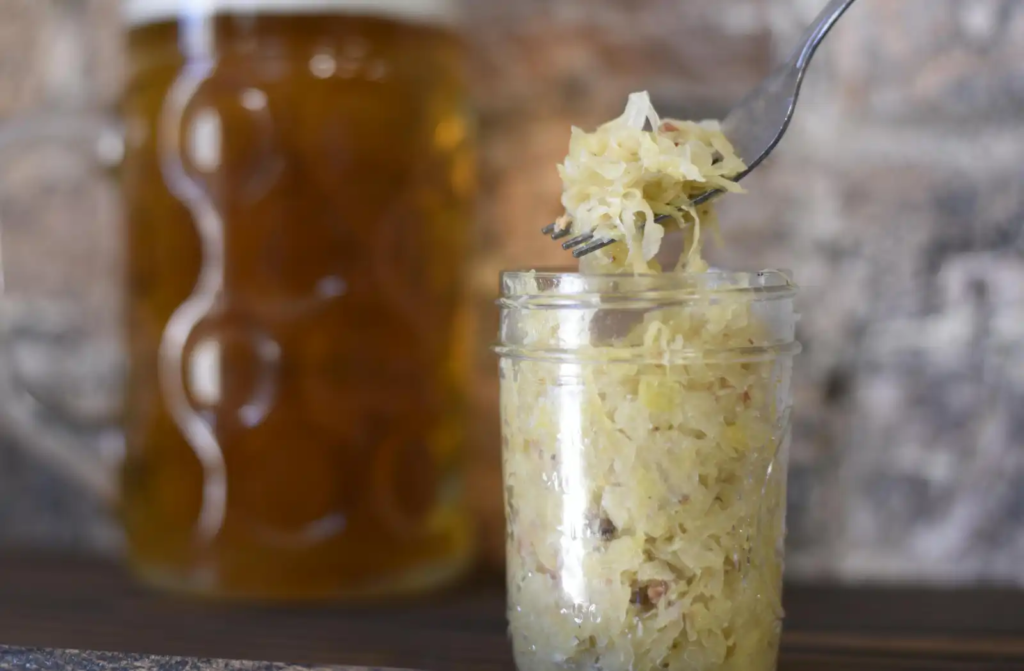
Sauerkraut is Germany’s most iconic ferment—simple, tangy, and packed with gut-friendly probiotics.
Made from salted, shredded cabbage, sauerkraut has been a staple since the 16th century. Traditionally eaten with meats and stews, it’s now found in everything from sandwiches to salads.
Raw sauerkraut is rich in Lactobacillus species that support digestion, reduce bloating, and improve regularity.
A 2018 study showed that unpasteurized sauerkraut boosts gut microbial diversity and may enhance immune function.
(Steinkraus et al., Frontiers in Microbiology)
Modern options include sauerkraut capsules and raw kraut juice shots for easier daily use.
🧬 Eastern Europe & the Caucasus – Kefir
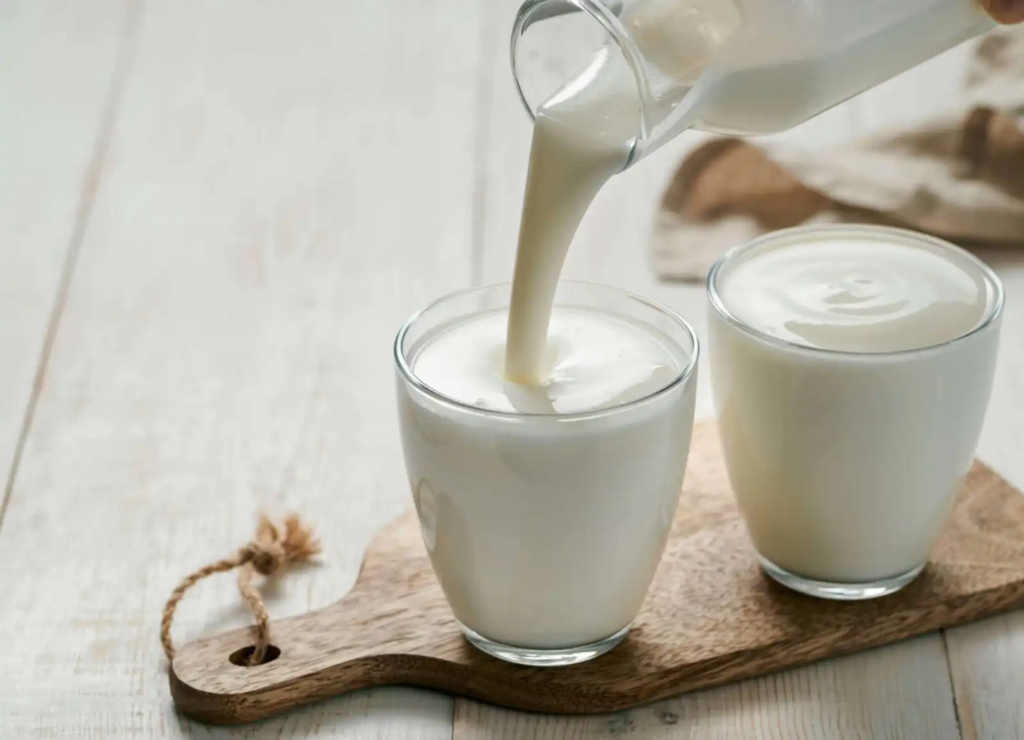
Kefir is Eastern Europe’s most potent probiotic drink—creamy, cultured, and overflowing with microbiome magic.
Originating in the Caucasus, kefir is made by fermenting milk with live kefir grains. It’s tangy, fizzy, and contains over 30 strains of probiotics and yeasts.
Daily kefir intake has been shown to improve bowel movements, reduce digestive discomfort, and support gut flora balance.
(Bunesova et al., Nutrients, 2019)
For a milder intro, try vegan kefir capsules or dairy-free coconut kefir powders.
🧬 France – Fermented Cheeses & Cultured Butter
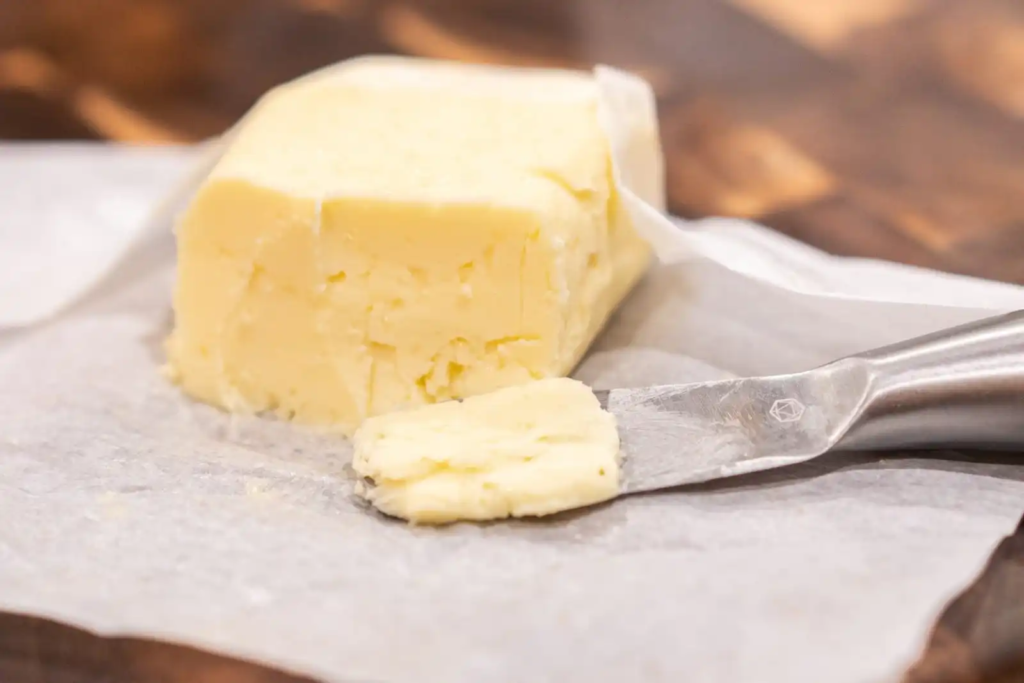
France’s beloved soft cheeses and cultured butter turn dairy into living ferments—rich in flavor and probiotic power.
Cheeses like Brie or Camembert use Penicillium candidum for fermentation, creating a creamy texture and beneficial bacteria. Cultured butter, made from fermented cream, adds richness and gut-friendly microbes.
Studies suggest fermented dairy may support the gut lining, aid digestion, and reduce inflammation.
(Marco et al., Annual Review of Food Science, 2021)
Lactose-intolerant? Probiotic cheese spreads made from plants are now widely available.
Today’s Takeaway
Want the benefits without the strong flavors or dairy? Try:
🥬 Gaia Herbs Sauerkraut Postbiotic
A plant-based postbiotic made from naturally fermented cabbage. Supports a balanced gut microbiome, promotes healthy digestion, and is free from artificial additives. Ideal for daily digestive comfort. ⭐ 4.4 | 43+ reviews
“I’ve finished this bottle, after taking it daily before a meal… the supplement feels very ‘alive’… I had a good experience with them overall.” — Verified Amazon Reviewer
✅ Easy-to-swallow vegan capsules with no pungent smell or aftertaste—perfect for beginners new to fermented foods.
✅ Provides concentrated digestive support without needing to eat a whole jar of sauerkraut.
🥬 365 by Whole Foods Market Organic Sauerkraut, 32 oz
Classic organic sauerkraut made with just cabbage, water, sea salt, and lactic acid. This raw, refrigerated jar offers probiotic-rich cabbage that supports gut flora and smoother digestion—without added preservatives or artificial ingredients. ⭐ 4.5 | 4,700+ reviews
“This sauerkraut is fresh and seems to be helpful for my health instead of probiotics.” — Verified Amazon Reviewer
✅ Certified organic and vegan-friendly—perfect for daily digestive support.
✅ High volume (32 oz) offers great value for frequent ferment lovers.
🥛 Lifeway Plain Organic Low Fat Kefir (32 oz)
A smooth, creamy kefir made from organic low‑fat milk. Delivers 11 g protein plus 12 live active probiotic cultures per serving. Ideal for adding to breakfast, smoothies, or as a guilt‑free snack. No added sugar in the plain version—pure, tangy, and gut‑friendly. ⭐ 4.5 | 277+ reviews
“Best natural probiotic out there! If you can handle dairy then this is better for you than probiotic tablets!” — Verified Amazon Reviewer
✅ Great for morning bowls with fruit and granola or as a creamy addition to savory dressings.
✅ Plain option means zero added sugar—perfect for health-focused routines.
All great ways to support your gut health—no cabbage breath required.
A Quick Reflection
European fermented foods may seem simple, but they offer centuries of wisdom in every bite.
These days, you don’t need to travel far—you’ll find sauerkraut, kefir, and cultured butter in most grocery stores.
As diets get heavier and more processed, adding even a spoonful of something fermented can make all the difference.
It’s a small step toward feeling lighter, going more regularly, and living just a bit better.
And of course, there’s nothing more satisfying than a smooth, regular trip to the bathroom. Let’s raise a toast (of kefir) to that!
What’s Next & Where to Start
This wraps up our two-part fermented food journey.
From Korean Kimchi to French cheese, we’ve seen how tradition and health go hand in hand.
🔗 Back to Part 1: Asia’s Superfoods →
🔗 Still curious? Read more on Kimchi →
📚 References
- Steinkraus, K.H. et al. (2018). Frontiers in Microbiology, 9, 1364.
- Bunesova, V. et al. (2019). Nutrients, 11(9), 2089.
- Marco, M.L. et al. (2021). Annual Review of Food Science and Technology, 12, 33–54.
⚠️ This is for informational purposes only and not medical advice. Consult a healthcare provider before using charcoal products. The author isn’t responsible for misuse outcomes.
💛 Some links in this post are Amazon affiliate links. If you choose to purchase through them, you’re supporting this blog—thank you so much for being here.