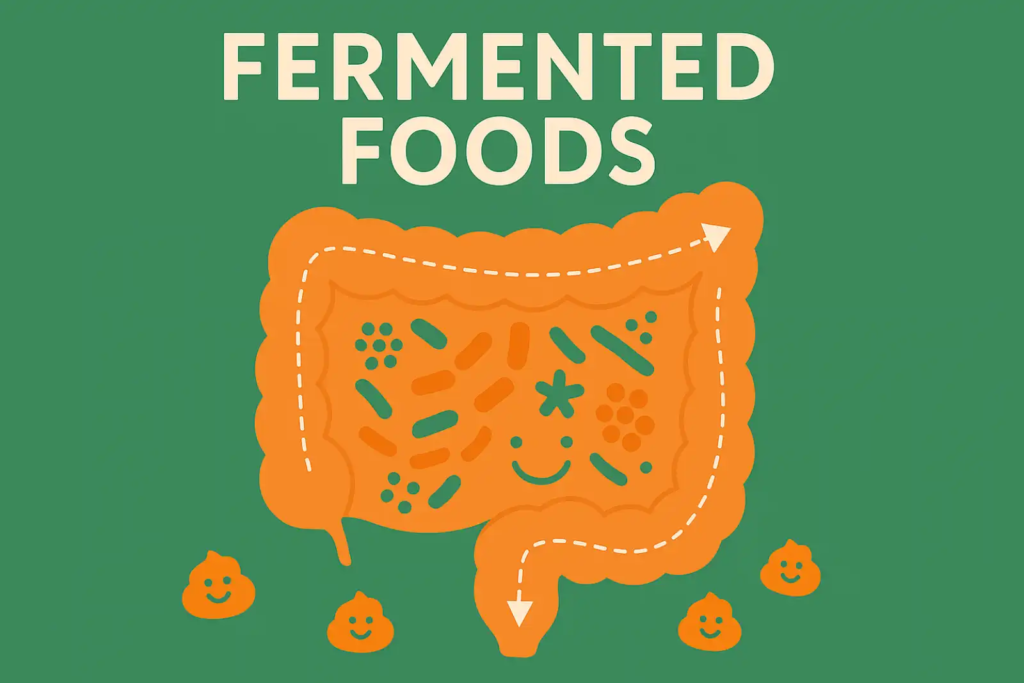
When I first wrote about kimchi, I was struck by how fermentation connects tradition and health. It led me to explore other fermented foods across Asia—each one with its own story and gut-healing power, including better digestion and improved bowel regularity.
👉 Read my original post on kimchi here.
This post explores three standout superfoods: Korean kimchi, Japanese natto & miso, and Chinese fermented black beans.
🧬 Korea – Kimchi
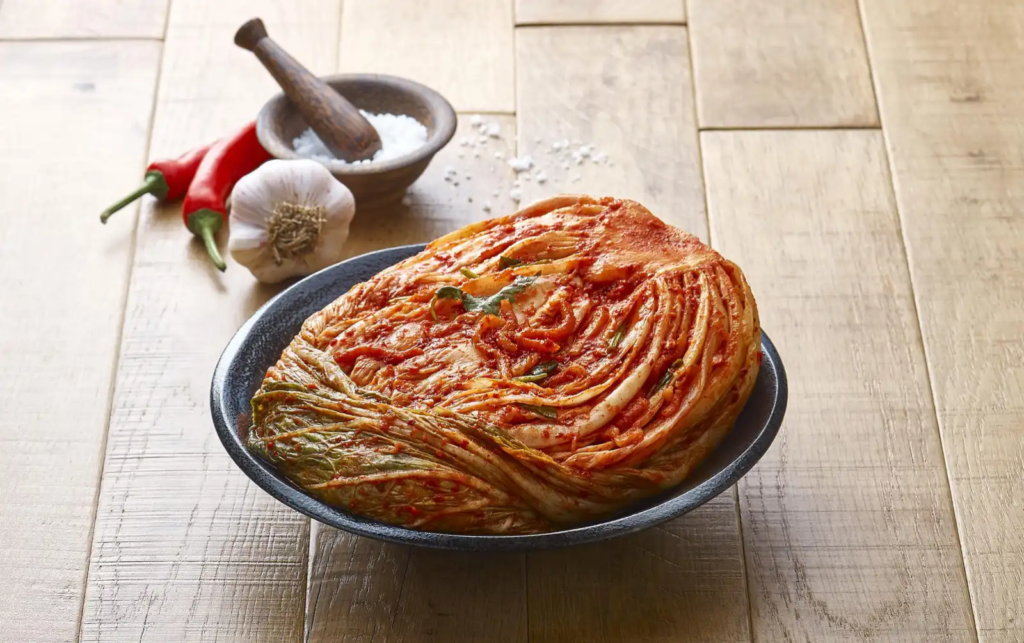
Kimchi isn’t just a dish. It’s Korea’s most iconic ferment—and a global ambassador of gut health.
It dates back over a thousand years and was traditionally fermented in clay jars underground.
Today, kimchi is served with almost every Korean meal. It’s naturally rich in Lactobacillus plantarum, a probiotic known to support digestion.
A 2014 study found that daily kimchi intake helped reduce gut inflammation and improved bowel movements in healthy adults.
(Park et al., Journal of Medicinal Food)
For convenience, kimchi extract capsules are available as a milder option.
🧬 Japan – Natto & Miso
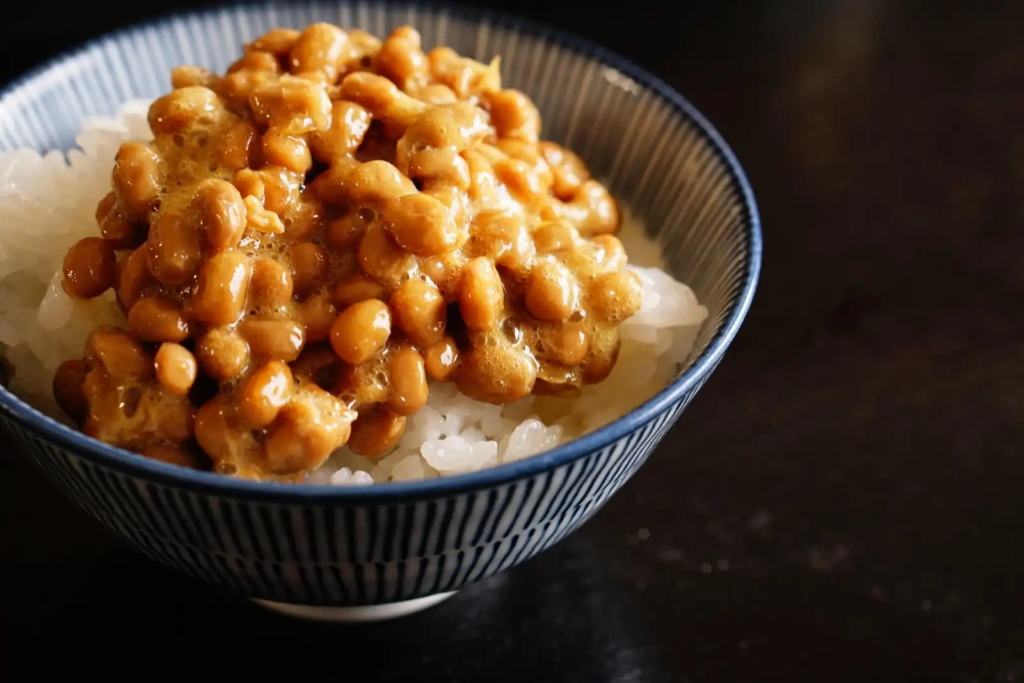
Natto is Japan’s boldest probiotic ferment—powered by Bacillus subtilis.
It has a sticky texture and strong flavor but is highly nutritious.
Miso, also fermented from soybeans, is milder and used in soups and marinades. It contains Aspergillus oryzae, which aids digestion.
One study showed that fermented soy foods like natto and miso support gut microbial diversity and improve stool regularity.
(Watanabe et al., Nutrients, 2020)
If the flavor is too strong, you can try natto enzyme softgels or miso powder blends.
🧬 China – Fermented Black Beans
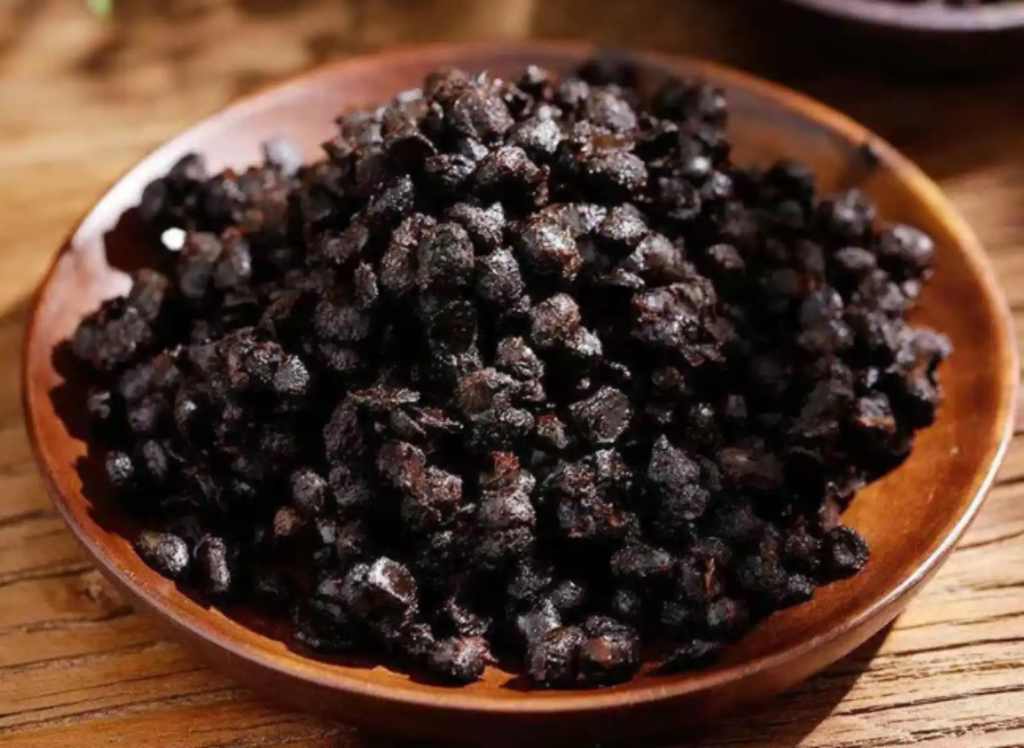
Fermented black beans, or douchi, are China’s oldest known ferment—deeply rooted in over 2,000 years of culinary tradition.
Douchi is made by fermenting black soybeans with salt and aging them until soft and aromatic. It’s a key ingredient in many Chinese sauces.
Research shows that douchi contains antioxidants and may help regulate gut bacteria, support digestion, and reduce inflammation.
(Zhang et al., Food Research International, 2021)
Today, fermented black bean powders and extracts offer a simple way to enjoy these benefits.
Today’s Takeaway
🥬 Recommended Product for Kimchi Lovers
Mother-in-Law’s Kimchi House Napa Cabbage Kimchi, 16 oz
Authentic Korean kimchi made the traditional way—naturally fermented and unpasteurized to preserve its bold, tangy flavor and live probiotics. ⭐️ 4.5 | 2,000+ reviews
“This is the closest to real Korean kimchi I’ve had in the States. Perfect balance of heat and depth. Tastes alive!” – Verified Amazon Reviewer
✅ Naturally fermented and unpasteurized to preserve live probiotics
✅ Made with Napa cabbage, Korean chili flakes, garlic, ginger, and sea salt
✅ Gluten-free, vegan, and proudly crafted in the USA based on traditional Korean recipes
Brightcore Nutrition Kimchi One™ Kimchi Powder Capsules
All the probiotic power of fermented kimchi—now in a convenient capsule. Support your gut, immune system, and overall vitality with this freeze-dried superfood. ⭐️ 4.5 | 190+ reviews
“These capsules are a game changer. No fridge needed—just real, live fermented kimchi in a pill!” – Verified Amazon Reviewer
✅ Made with real napa cabbage kimchi, freeze-dried to preserve probiotics, enzymes, and phytonutrients
✅ Helps balance gut microbiota, reduce bloating, and improve digestion
✅ Supports immunity and natural anti-inflammatory responses
✅ Vegan, gluten-free, and shelf-stable—perfect for daily wellness routines
🌿 Recommended Superfood: Freeze-Dried Natto Powder
YAMASAN Kyoto Uji Natto Powder, 70g
A mild, freeze-dried natto powder made from finely chopped fermented soybeans (hikiwari style) in Kyoto—packed with live probiotics, nattokinase enzyme, and vitamin K₂. ⭐️ 4.5 | 150+ reviews
“It retains all the goodness of natto without the strong smell. I add it to rice, miso soup, and smoothies—so convenient!” – Verified Reviewer
✅ Naturally fermented and freeze-dried to preserve live spore probiotics
✅ High in nattokinase, vitamin K₂, and plant-based protein
✅ Versatile: Add to rice, soup, salad, eggs, smoothies, or even baked goods
✅ Non-GMO, vegan, with no additives or artificial flavors
They’re convenient ways to support your gut health without the prep or pungent flavor.
A Quick Reflection
Fermented foods from Asia can feel unfamiliar at first—but they carry centuries of wisdom.
In today’s global kitchen, trying something new could lead to real change. If strong flavors are a barrier, supplements are a gentle way to start.
And honestly? There’s nothing better than the daily joy of a smooth, satisfying trip to the bathroom. I hope you get to enjoy that too.
Coming Up Next
📖 Part 2 – Europe’s Gut-Healing Classics: From Sauerkraut to Kefir
We’ll explore how traditional European ferments shaped modern probiotic culture.
Missed the beginning?
My journey into fermented foods started with Korea’s beloved staple.
🔗 Read the original post on kimchi here →
📚 References
- Park, K.Y., et al. (2014). Health benefits of kimchi. Journal of Medicinal Food, 17(1), 6–20.
- Watanabe, Y., et al. (2020). Fermented soy products and gut health. Nutrients, 12(1), 37.
- Zhang, J., et al. (2021). Microbiota-regulating potential of fermented black beans. Food Research International, 140, 110037.
⚠️ This article is for informational purposes only and does not constitute medical advice. Please consult your healthcare provider before making dietary changes or taking supplements.
💛 Some links in this post are Amazon affiliate links. If you choose to purchase through them, you’re supporting this blog—thank you so much for being here.