How Did We Start Eating Charcoal?
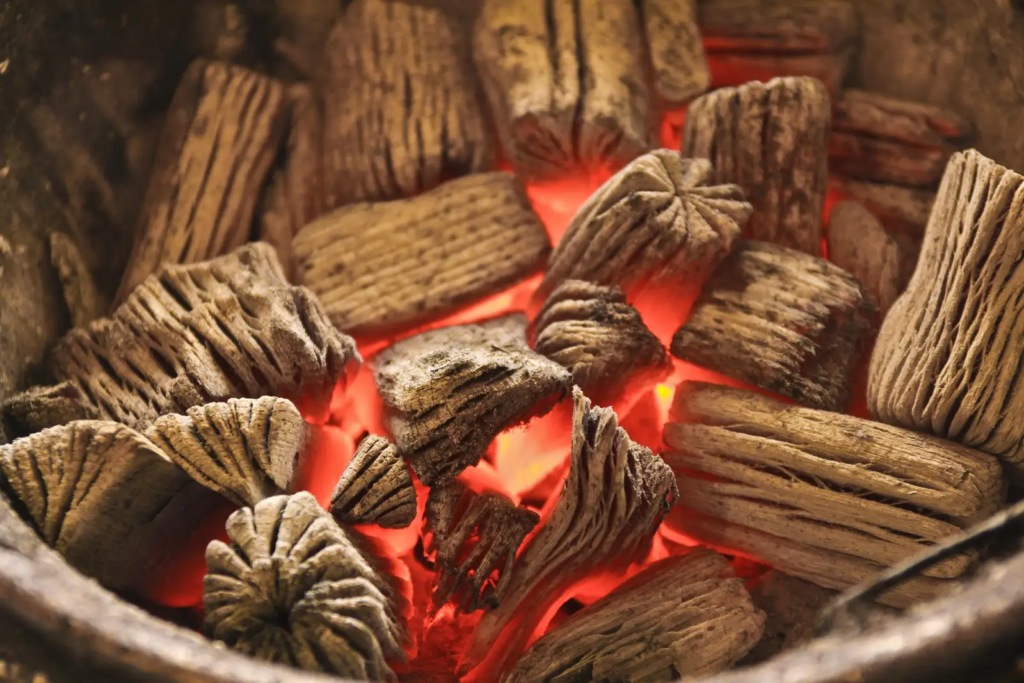
I didn’t expect to be thinking about charcoal while watching a food show. But during Stanley Tucci’s Searching for Italy—specifically the Calabria episode—Tucci sits down at a restaurant high in the Aspromonte Mountains and is served a dessert… made with charcoal.
He looks surprised. So was I.
Why are people eating charcoal? When did that start? And is it safe?
Let’s start with where it all began.
A Very Old Ingredient
Charcoal isn’t new. Long before it became a trendy food item, it was used across ancient civilizations—for medicine, rituals, and even water filtration.
- Ancient Egypt: used to treat intestinal issues
- Traditional Chinese medicine: used in detox formulas
- Greek and Roman eras: valued for purifying properties
It was burned wood—nothing more—but the residue had powerful uses.
When and Where Did Charcoal Become Food?
Charcoal didn’t become a trendy food overnight—it evolved across centuries and continents, shifting from fuel and medicine to dinner plates and wellness tools.
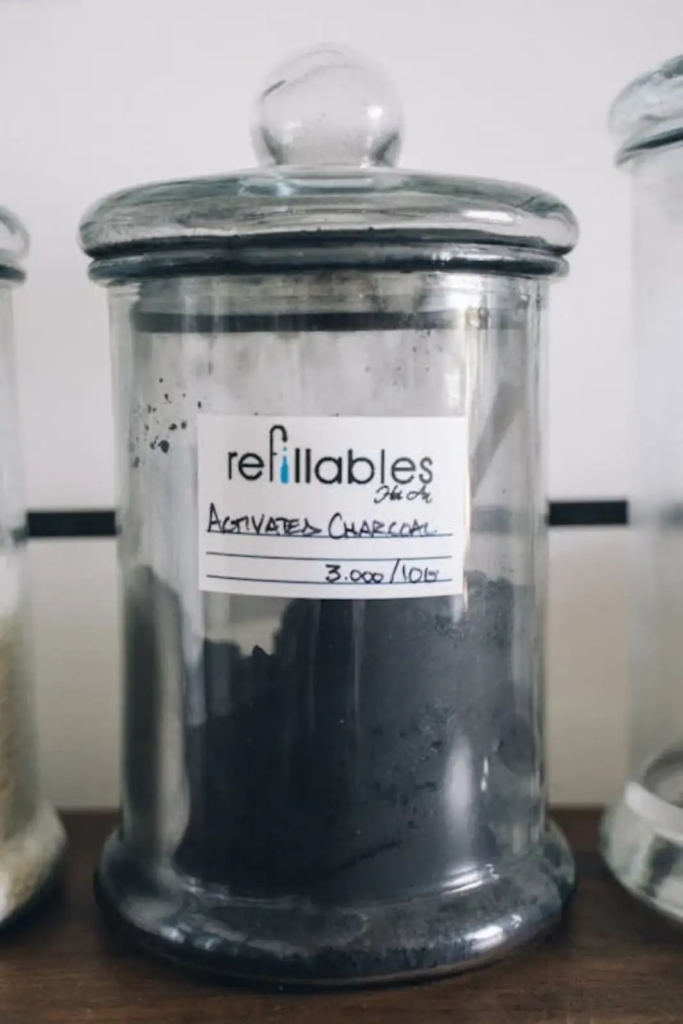
🪨 Japan – Binchōtan Charcoal
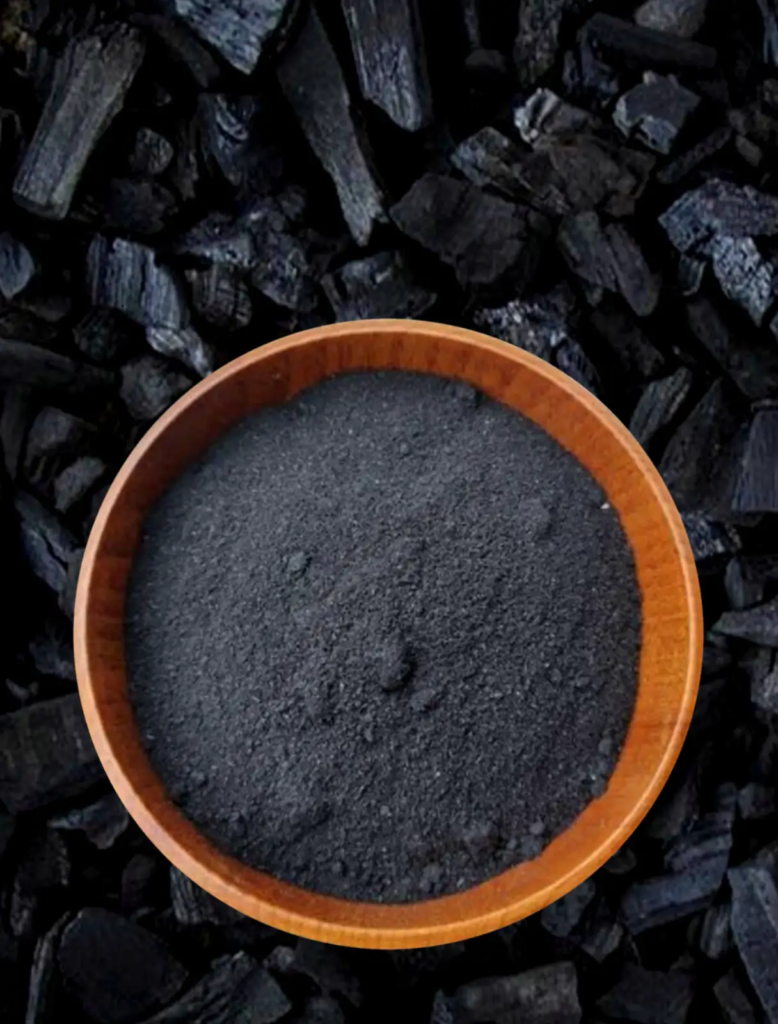
Japan’s Binchōtan charcoal has been prized since the late 1600s. Japan’s Binchōtan charcoal has been prized since the late 1600s. Artisans in Wakayama began refining it during the Edo period. Binchōtan is a traditional “white charcoal” made from ubame oak, slow-fired and finished in ash to create a dense, silvery burn. It was traditionally used to purify water and grill food cleanly. Today, it’s also found in wellness drinks, facial soaps, and minimalist cuisine.
🪨 Korea – 숯 (sut) Everyday Use
In Korea, 숯 (sut) is traditionally made from oak or pine in outdoor kilns. It’s mostly used for grilling, air purification, and natural deodorizing. Unlike Japan’s ultra-dense Binchōtan, Korean charcoal is black, slightly brittle, and more common in everyday homes. In recent years, charcoal has also appeared in:
- Detox drinks
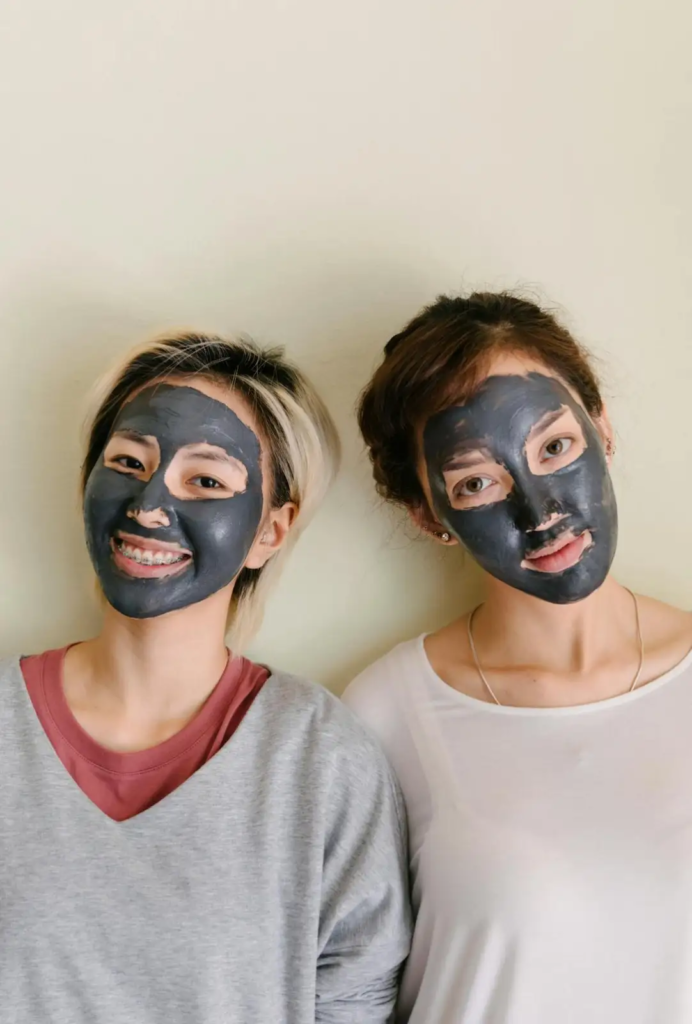
- Skincare products (cleansers, masks, soaps)
- Charcoal salt for cooking
- Bamboo charcoal bags used in homes and cars
🪨 United States – Wellness Wave
Charcoal entered mainstream American food culture around 2015 to 2016, quickly appearing in:
- Black lattes
- Charcoal ice cream
- Burger buns
- Detox lemonades
By 2018, New York City moved to ban charcoal in food due to concerns over unproven health claims.
🪨 United Kingdom – Instagram Trend
Following the U.S. trend in the mid-2010s, London cafés began serving:
- Goth lattes
- Charcoal pastries
- Black sourdough bread
These products gained popularity for their striking visuals and appeal on Instagram.
🪨 Mainland Europe – Chef Innovation
Since the early 2020s, fine-dining chefs in Europe have used activated charcoal in:
- Black pasta
- Ash sauces
- Charcoal sorbets
Here, charcoal is more about aesthetic contrast and textural experimentation than wellness.
🪨 India & Middle East – Ancient Medicine
For centuries, charcoal has been a key part of Ayurvedic medicine in India and surrounding regions. It is commonly taken as a powder or capsule to support:
- Digestion
- Oral hygiene
- General detoxification
🪨 Global Wellness Uses
Today, charcoal appears in more than just food. Across the globe, it’s used in:
- Charcoal capsules for gut health
- Smoothie powders and detox blends
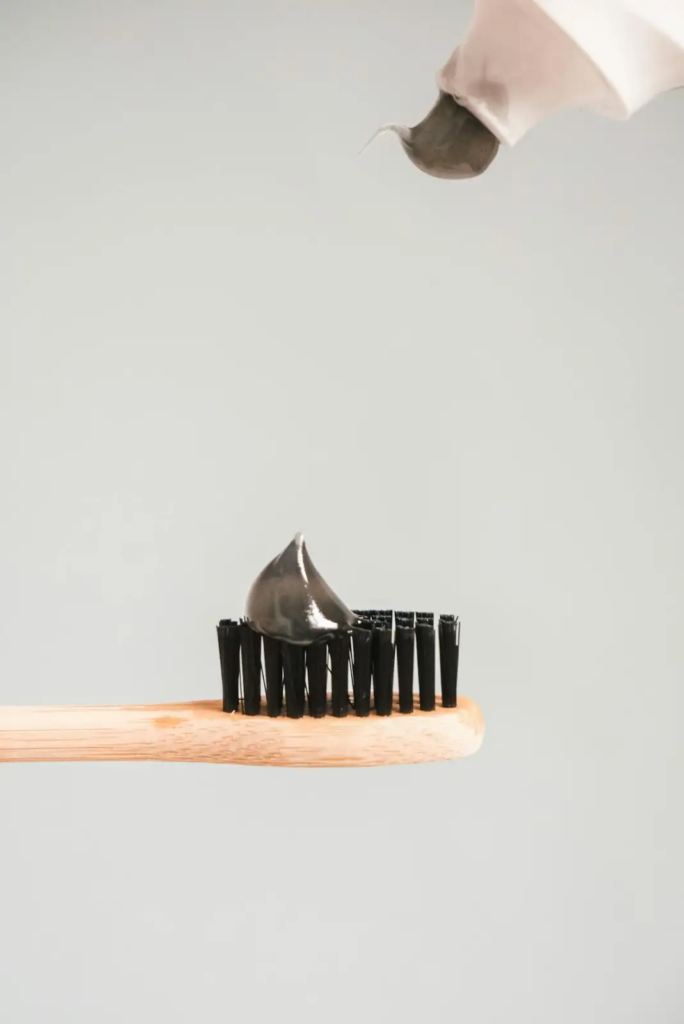
- Toothpaste and face masks
- Air and water purification systems
Charcoal has transformed from ancient ash to a modern daily essential, adapted to local needs and tastes around the world.
Why Do Chefs Use It?
Charcoal in modern cuisine is less about flavor and more about symbolism and style.

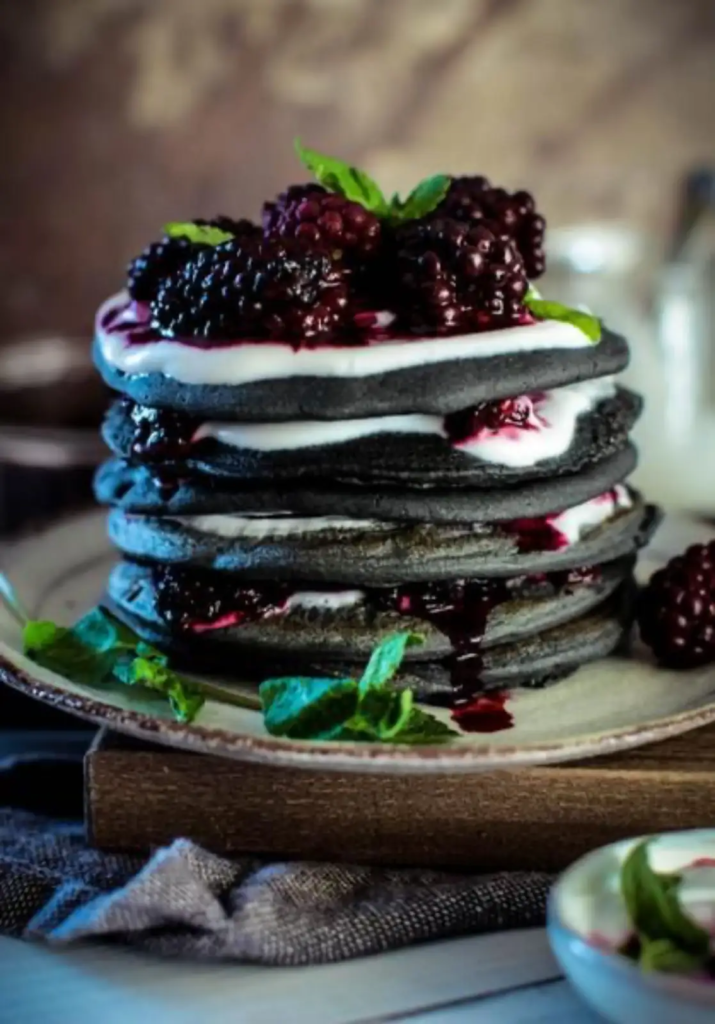
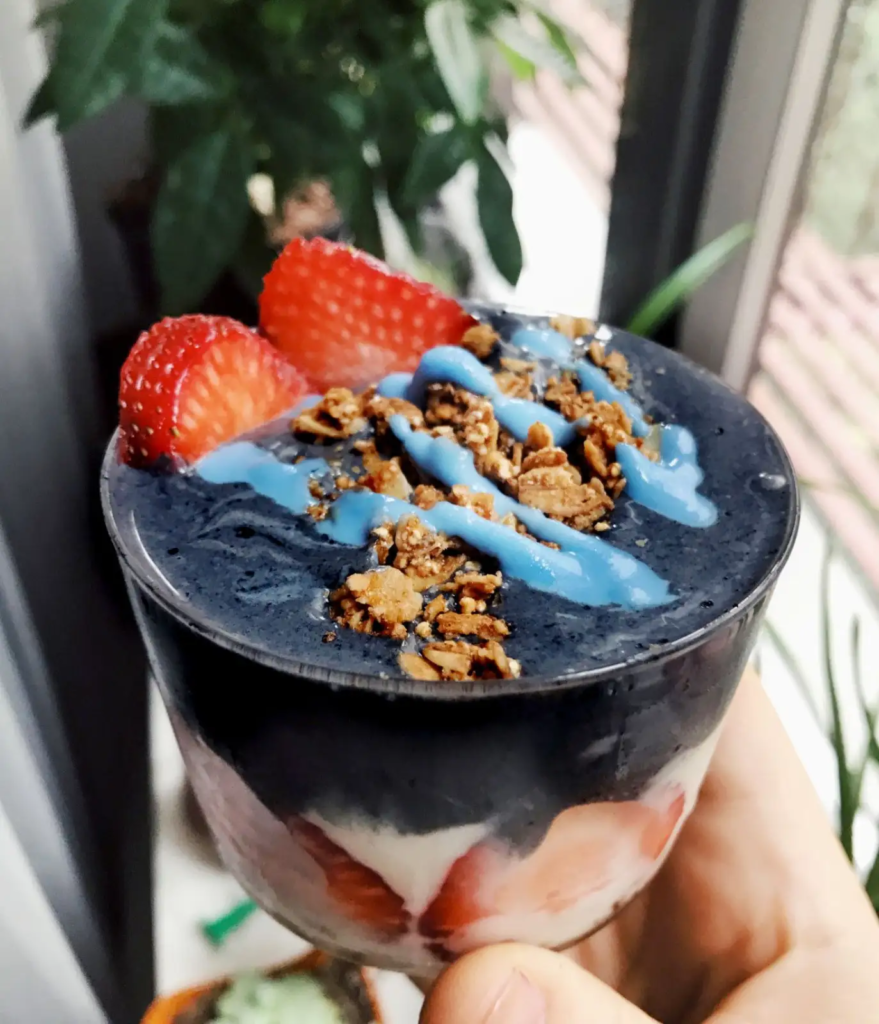
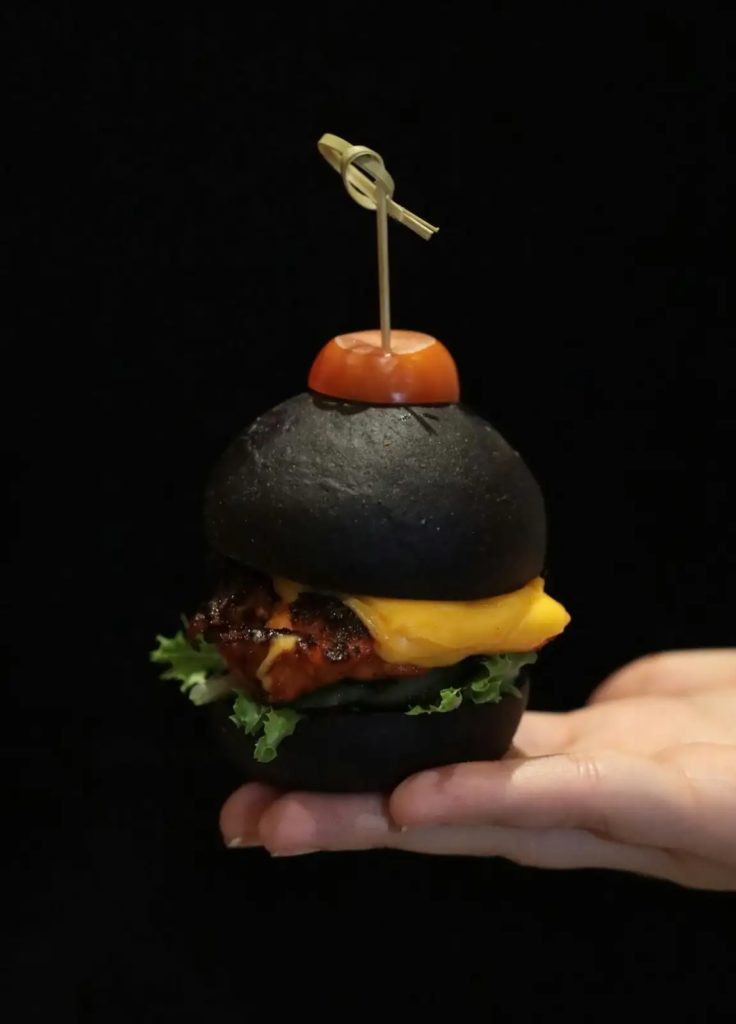
It adds:
- Visual contrast (that striking black)
- Earthy, smoky aroma
- A sense of minimalism and purity
In Tucci’s Calabria episode, Chef Nino Rossi uses charcoal in a dessert called “New Life After the Fire.”
Made with charcoal powder and foraged ingredients, it reflects both destruction and rebirth.
It’s beautiful, unsettling, and unforgettable. And it made me want to learn more.
➡️ Up Next: Is It Healthy?
Eating charcoal has been called detoxifying, purifying—even beautifying.
But does it really work?
In Eating Charcoal: From Curiosity to Consumption – Part 2, we’ll explore:
- Health claims behind charcoal supplements and food
- How it’s used for bloating, clearer skin, and teeth whitening
- Its role in emergency detox and air purification
- What’s hype—and what might actually help
📌 Inspired by Stanley Tucci’s Calabria journey?
Read the full episode here.