In Part 1, we explored why carbs aren’t the enemy—and how ancient grains offer fiber, nutrients, and lasting energy without the crash. Inspired by Stanley Tucci’s visit to Antichi Sapori in Puglia, we looked at how ancient flavors are making a modern comeback.
📖 Missed Part 1? Click here to read Ancient Grains, Modern Health – Part 1: Inspired by Puglia
With that foundation, let’s get to the good part:
So, How do we actually use ancient grains today? What makes them healthy? And where do they come from?

🌾 Farro – The Ancient Roman Supergrain
- Origin: Italy, dating back to ancient Rome.
- Nutrients: High in fiber, protein, B vitamins, magnesium.
- Why it’s good: Farro is easy on the digestive system and has a low glycemic index, making it ideal for blood sugar balance.
- How to use: Add cooked farro to soups, toss in grain bowls, or use it instead of rice. Tip: Toast it lightly in olive oil before simmering—it brings out a nutty flavor.
🛒 Try This: Bob’s Red Mill Organic Farro Grain, 24oz– Ideal for soups, salads, and grain bowls.
🐫 Kamut® – The Egyptian Giant
- Origin: Ancient Egypt; rediscovered in the 20th century and trademarked as Kamut.
- Nutrients: More protein than modern wheat, selenium, zinc, and polyphenols.
- Why it’s good: Kamut is known for its rich flavor and digestibility, often well-tolerated by people sensitive to wheat.
- How to use: Use in cold grain salads, hot porridge, or even grind into flour for hearty pancakes.
Bonus: In Korea, fermented Kamut enzyme powder sticks are popular as a digestive supplement after meals.
🛒 Try This: Korean New Kamut Brand Enzyme Gold 3g × 21 sticks – A Korean-style fermented grain supplement for post-meal digestion.
🛒 Try This: Bob’s Red Mill Organic Kamut(R) Khorasan Wheat Berries, 24 oz – Cook it like farro for hearty grain bowls and salads. Great texture and nutty flavor!
🌾 Einkorn & Emmer – The Original Wheats
- Origin: Fertile Crescent; over 10,000 years ago.
- Nutrients: Protein, fiber, lutein (good for eye health), and trace minerals.
- Why they’re good: Among the earliest cultivated wheats—lower in gluten and easier to digest.
- How to use: Use the flour for rustic breads, pasta, or hearty baked goods. Bonus: Nutty, earthy flavor that’s hard to beat.
🛒 Try This: Jovial Organic Einkorn Whole Wheat Flour, 32 oz – A wholesome, ancient flour for baking.

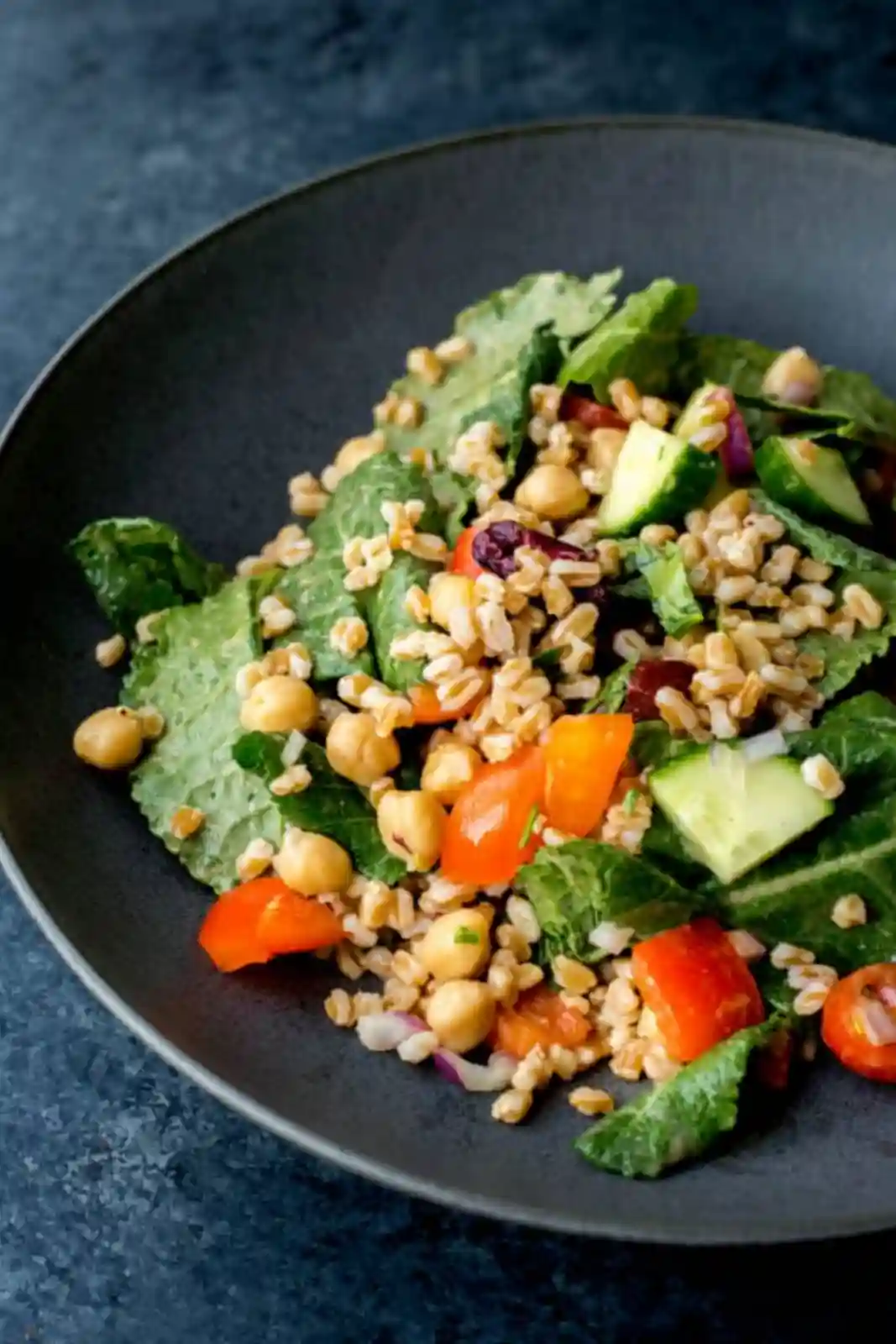
🌱 Teff – Ethiopia’s Mighty Mini Grain
- Origin: Ethiopia, thousands of years ago.
- Nutrients: High in iron, calcium, resistant starch (great for gut health).
- Why it’s good: Naturally gluten-free and rich in minerals. Teff’s starch structure also makes it ideal for sustained energy.
- How to use: Traditionally used in injera (a fermented flatbread). Add teff flour to pancake batter or cook it as a creamy porridge.
🛒 Try This: Bob’s Red Mill Teff Flour, 20oz – Great for porridge, pancakes, and baking.
🍚 Millet – The Underrated All-Rounder
- Origin: Africa and Asia; cultivated for over 7,000 years.
- Nutrients: B-complex vitamins, magnesium, antioxidants.
- Why it’s good: Gluten-free, anti-inflammatory, and alkalizing. Supports healthy digestion and energy.
- How to use: Cook like rice, toast it for a warm cereal, or stir it into veggie patties. Tip: Add garlic and olive oil to enhance aroma and flavor.
🛒 Try This: Anthony’s Organic Hulled Millet, 3 lb – Mild, nutty flavor perfect for everyday meals.
🌱 Sorghum – The Climate-Resilient Grain
- Origin: Africa, now grown worldwide.
- Nutrients: Rich in antioxidants, fiber, iron, and protein.
- Why it’s good: Naturally gluten-free and supports blood sugar stability. One of the most drought-resistant grains.
- How to use: Pop it like popcorn, use whole in salads, or grind into flour for gluten-free baking.
🛒 Try This: Nature Nate’s Popped Sorghum-Avocado Oil Sea Salt, 5oz – A light, crunchy alternative to popcorn.
🥄 Quinoa – The Incan Fuel
- Origin: Andes Mountains, cultivated by the Incas.
- Nutrients: Complete protein, iron, magnesium, and fiber.
- Why it’s good: Technically a seed, but cooks like a grain. Gluten-free, filling, and incredibly versatile.
- How to use: Use it as a rice substitute, make quinoa-stuffed vegetables, or as a base for breakfast bowls.
🛒 Try This: BetterBody Foods Organic Quinoa, 24oz– Versatile for meals any time of day.
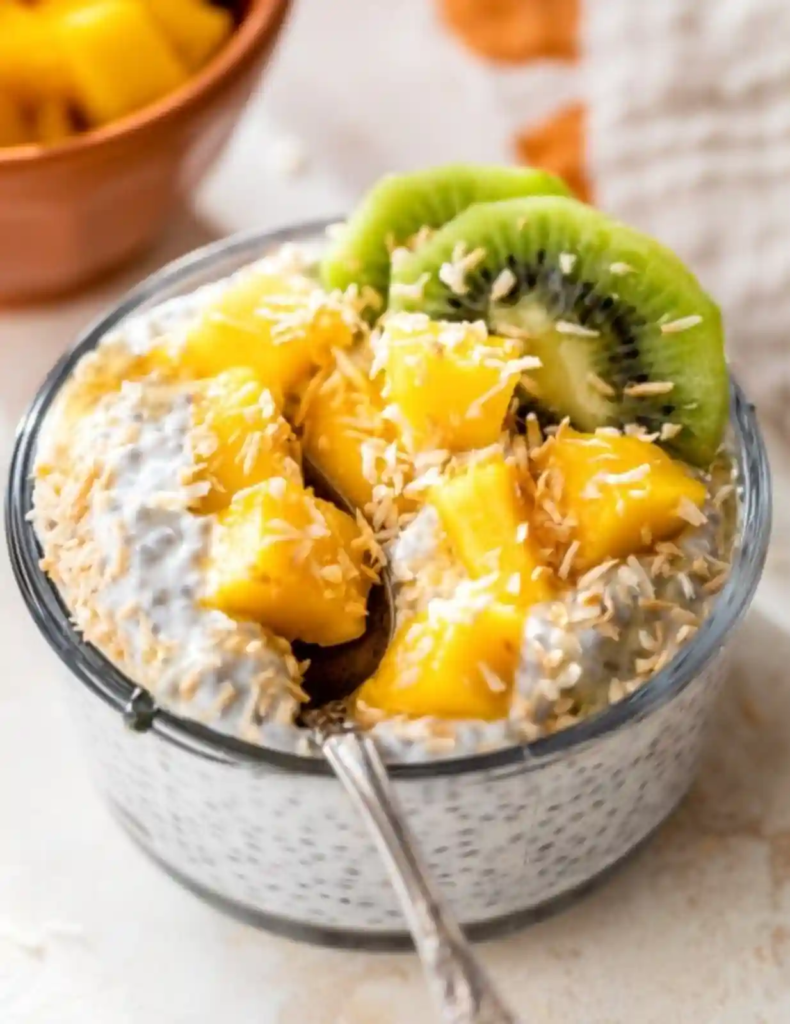
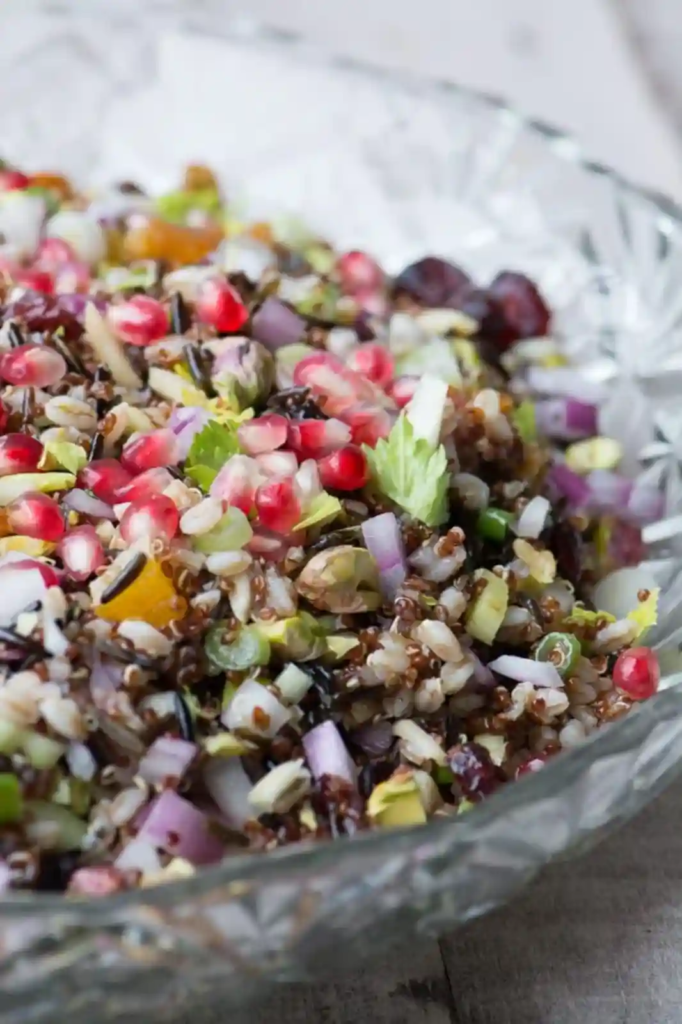
🌟 Amaranth – Aztec Powerhouse
- Origin: Central and South America.
- Nutrients: Complete protein, lysine (an essential amino acid), calcium, and iron.
- Why it’s good: Known for its anti-inflammatory properties and digestibility.
- How to use: Simmer into porridge or bake into energy bars. Tip: Combine with oats and honey for gut-friendly granola.
🛒 Try This: HerbaZest Amaranth Flour Organic, 1 lb– Easy to cook, great for porridge or baking.
🥄 Chia – The Tiny Titan
- Origin: Mexico and Central America; eaten by Mayans and Aztecs.
- Nutrients: Omega-3 fatty acids, fiber, calcium, magnesium.
- Why it’s good: Absorbs liquid to form a gel, helping with hydration, digestion, and satiety.
- How to use: Mix into smoothies, yogurts, or overnight oats. Make a simple chia pudding with almond milk and berries.
🛒 Try This: Navitas Organics Chia Seeds, 8oz – Nutrient-packed and easy to add to meals.
Final Thoughts
Ancient grains aren’t a trend—they’re a return. In fact, they represent a return to simple, whole, and nourishing ingredients that fueled civilizations long before supermarkets and supplements.
Ultimately, incorporating these grains into your daily meals is more than a diet upgrade—it’s a way to reconnect with food history.
📖 Missed Part 1? Click here to read Ancient Grains, Modern Health – Part 1: Inspired by Puglia
📺 Inspired by Stanley Tucci’s journey? Watch the Puglia episode that brought “Antichi Sapori” to life.
⚠️ This blog is for informational purposes only and not intended as medical advice. Please consult a healthcare provider before making changes to your diet or trying new supplements.
💛 Some links in this post are Amazon affiliate links. If you choose to purchase through them, you’re supporting this blog—thank you so much for being here.