Season 2 of Searching for Italy opens in Venice, where Stanley Tucci explores a city shaped by water, trade, and global flavor. From street snacks to island vineyards, he discovers how East meets West in every bite.
👉 Plan Your Venice Trip Now ✨✨✨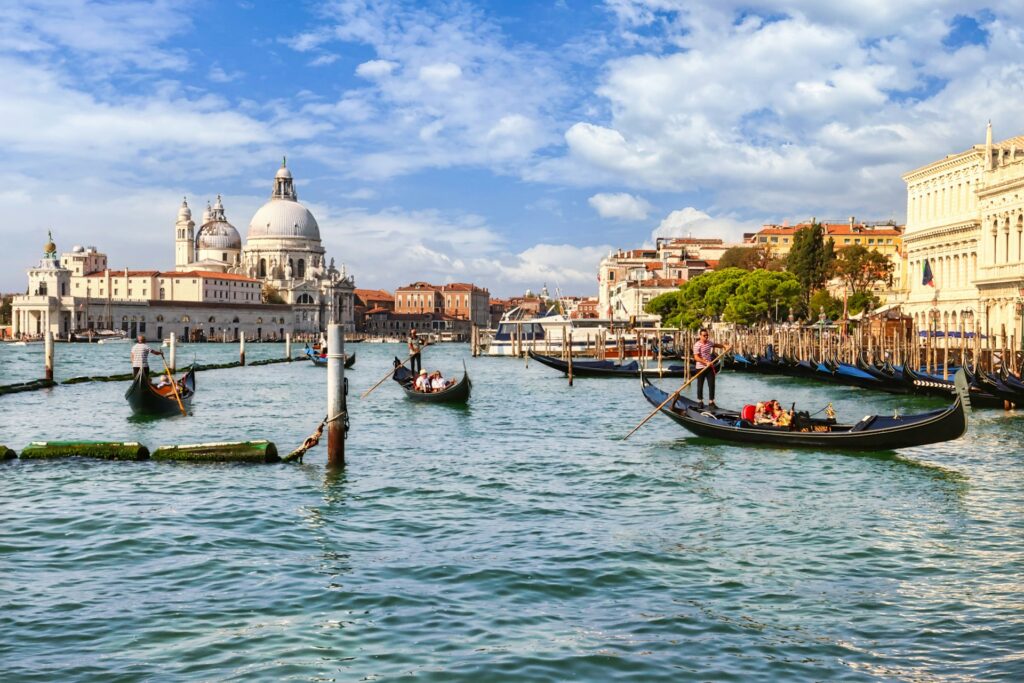
A City Shaped by the Sea
Unlike most Italian cities built on solid ground, Venice was intentionally constructed on a lagoon. Founded by refugees in the 5th century, it rose atop wooden pilings driven into marshy islands—an engineering feat born out of necessity.
Without farmland or pastures, Venetians turned to the sea. Fishing, salt harvesting, and trade became essential. The city’s vast maritime network brought in spices like cinnamon, pepper, and nutmeg, as well as rice, sugar, and dried fruits. These exotic imports mixed with local seafood and wetland game like duck, shaping a cuisine unlike any other in Italy.
Bites of Venice: What Tucci Eats
Fast Food, Lagoon-Style
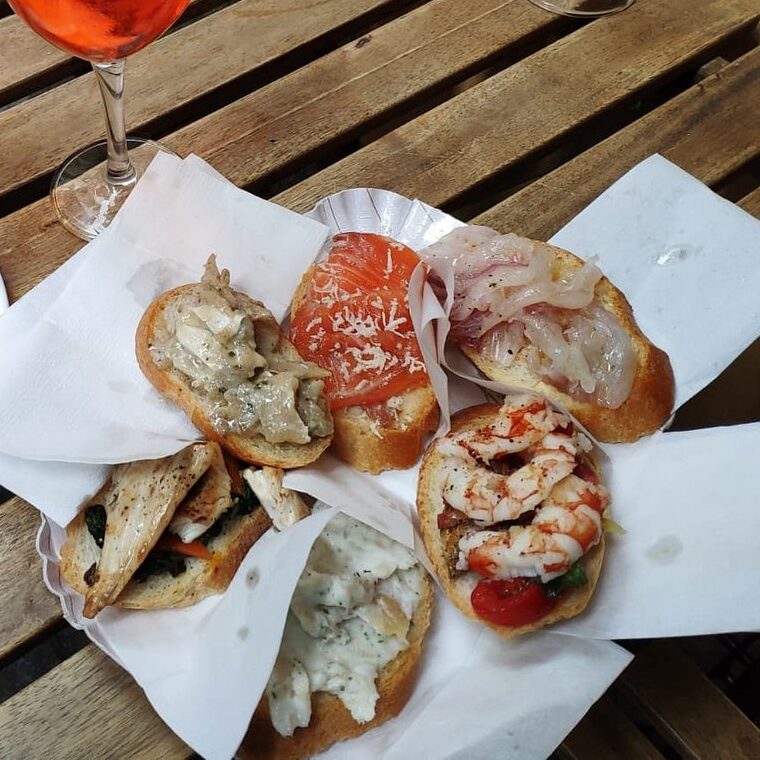
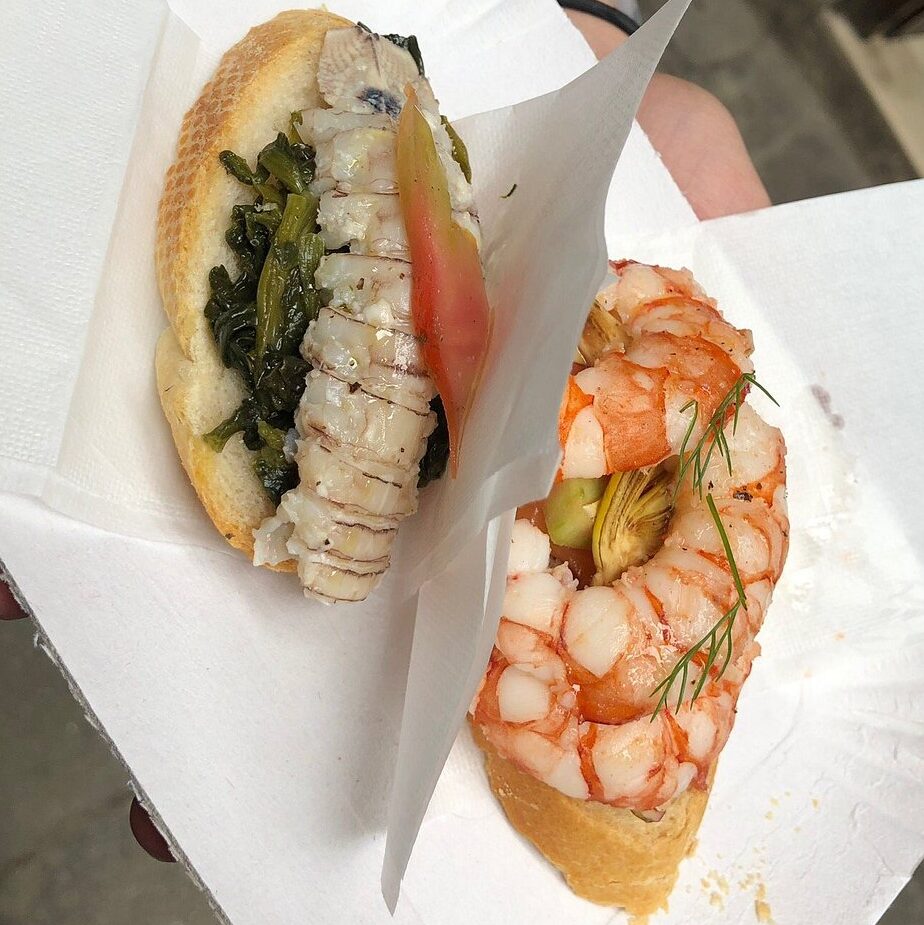
Venetian cicchetti (Italian for “nothing”), are the city’s signature snacks—quick, portable, and often enjoyed standing with a glass of local wine (ombra). As Tucci quipped, “It’s really something,” capturing how a tiny bite can leave a big impression.
Places & Dishes:
- All’ Arco – At 8:30 in the morning, Tucci joins locals enjoying cicchetti and wine as a light breakfast. He samples open‑faced crostini with seasonal seafood, including sea cicadas.
- Osteria Ai 4 Feri Storti – A casual spot Tucci visited with a gondolier, calling it “cicchetti heaven.” He enjoyed baccalà mantecato (the king of cicchetti), sarde in saor, and a rotating selection of seafood bites.
The Kitchen Ink
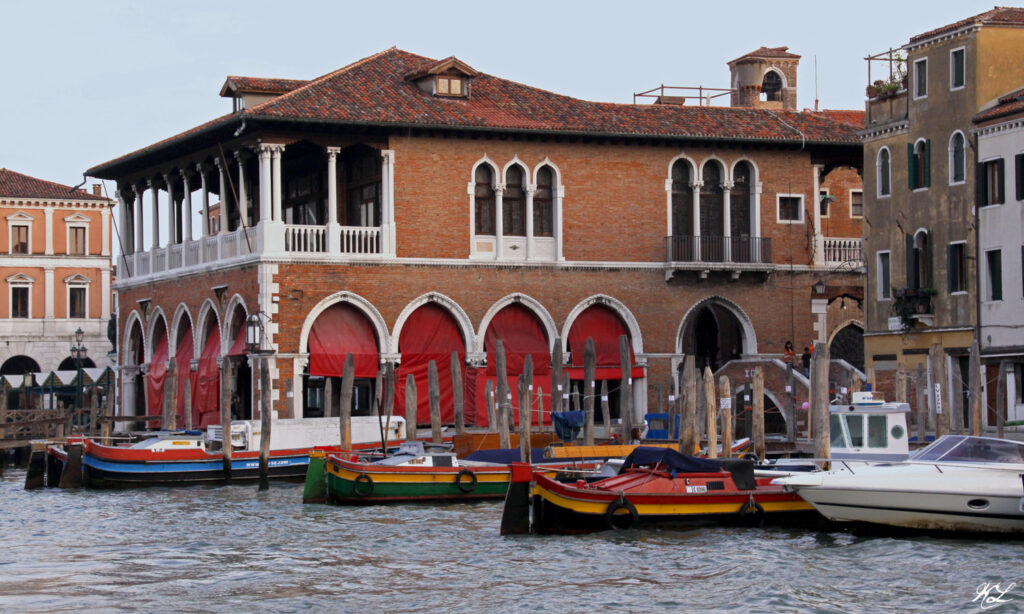
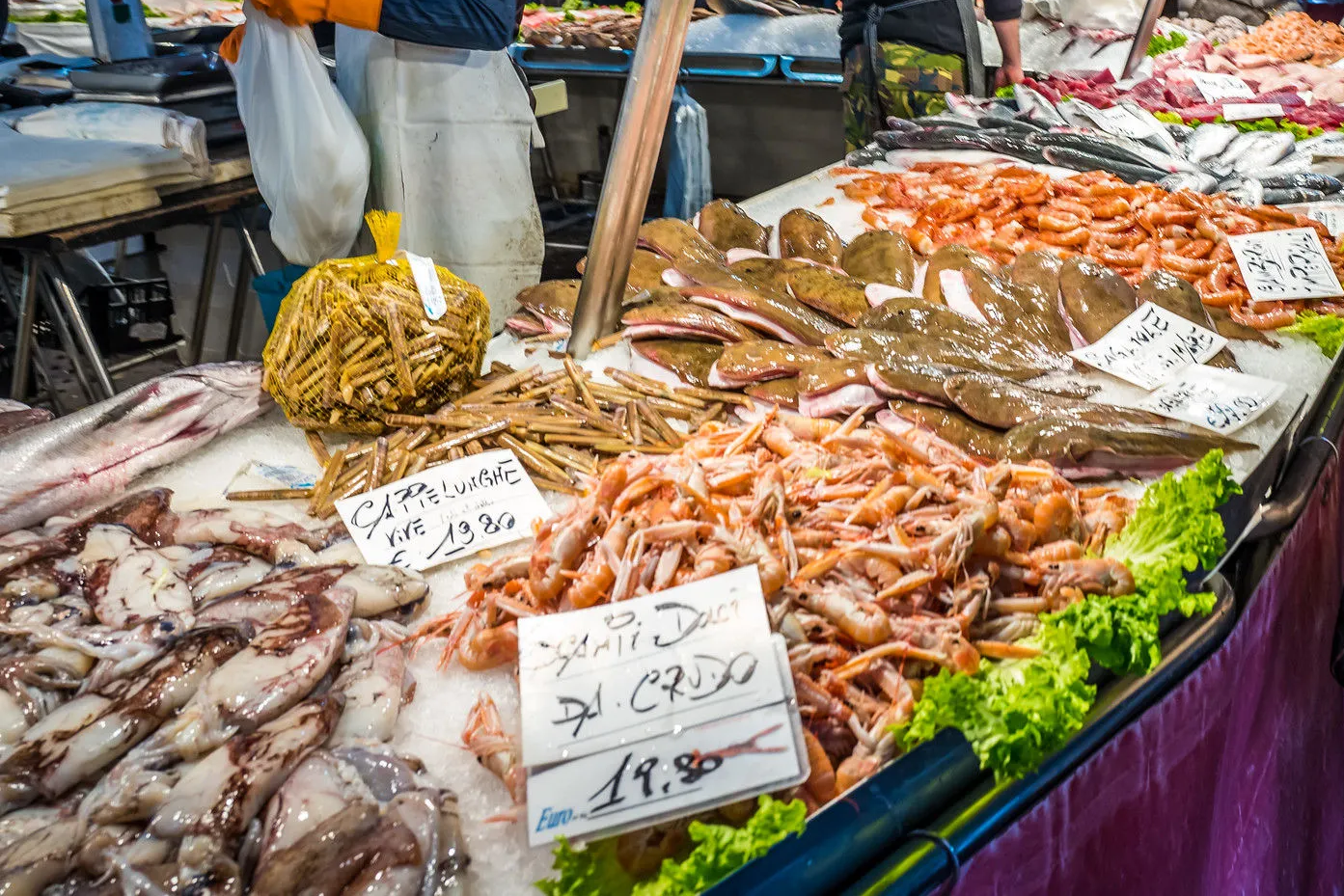
Tucci and his friend Andrea visit the Rialto Fish Market to buy fresh cuttlefish. Back home, they cook risotto al nero di seppia, using the ink to give the dish its striking black color and deep sea flavor. Originally a practical way to use every part of the animal, ink cooking likely began in Venice and became a local specialty.
Places & Dishes:
- Rialto Fish Market – Venice’s oldest and most iconic seafood market, open from 7:30 AM to around noon. A hub for fresh catch from the lagoon, it’s where locals shop for everything from cuttlefish to spider crab.
Let Them Eat Duck
At Harry’s Bar, Tucci meets a third-generation duck hunter who invites him on a hunt in the wetlands near Campagna Lupia, west of Venice. Duck hunting here is not just about food—it helps maintain ecological balance in the lagoon’s seasonal rhythms.
After the hunt, they head to Villa Seicento, a rustic countryside villa, where the freshly caught duck is turned into sugo d’anatra, a rich and savory duck ragù typically served with pasta.
Places & Dishes:
- Harry’s Bar – Meeting point with the duck hunter
- Villa Seicento – Cooking and eating sugo d’anatra (duck ragù) in a restored 17th-century farmhouse on Torcello Island
Salt Shaker
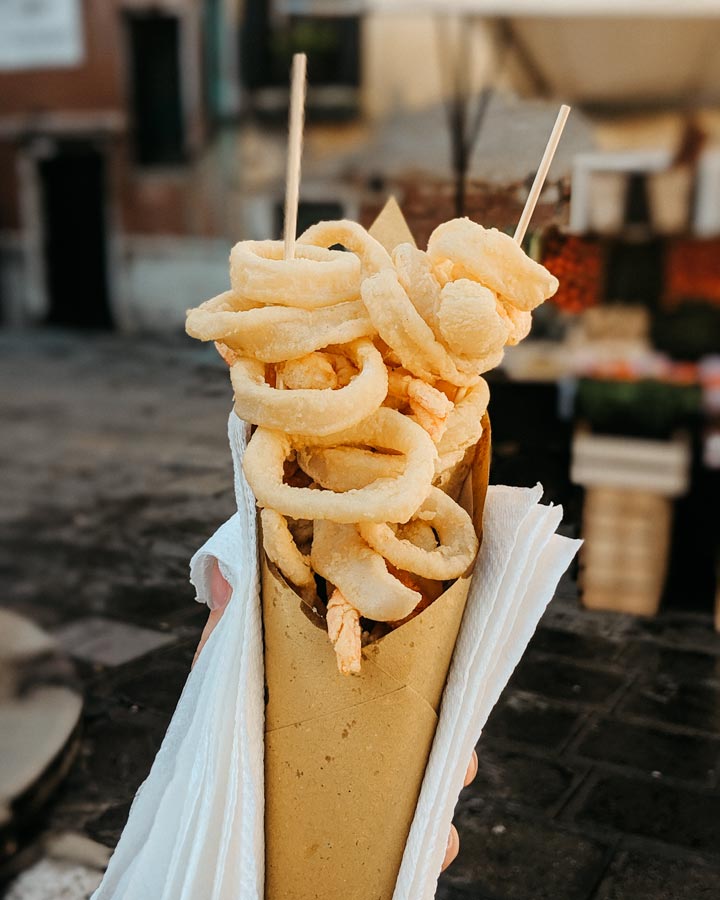
Salt has long shaped Venice’s cuisine—from pickled fish to seafood snacks. Tucci stops at a small stand by a bridge for a paper cone of golden scartosso (fried calamari), a simple and salty street food favorite.
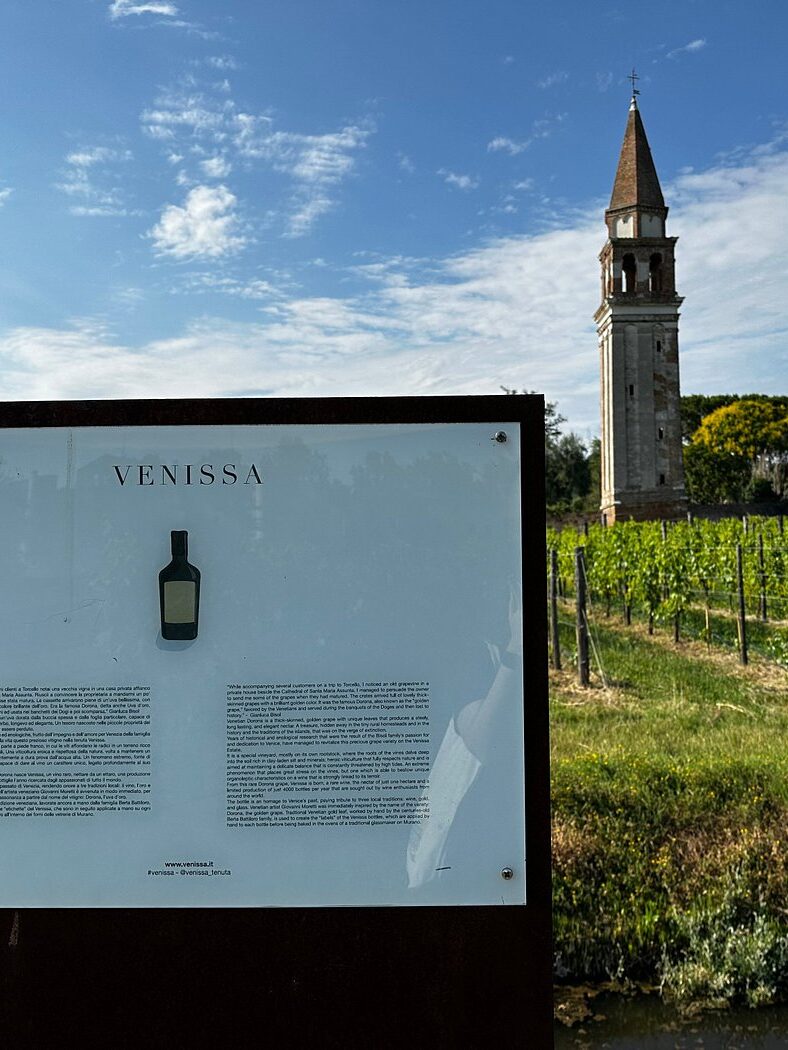
He then visits Mazzorbo Island, where the Bisol family vineyard grows Dorona grapes in salty, flood-prone soil. The resulting white wine is uniquely Venetian—born of centuries of adapting to the lagoon’s challenging conditions.
Places & Dishes:
- Unnamed snack bar by a small canal bridge – Serves scartosso: fried calamari in a narrow yellow paper cone with a wooden stick. A similar experience can be found at Frito-Inn in Cannaregio.
- Venissa – Tucci enjoys spago oro (golden spaghetti), made entirely from ingredients sourced from the lagoon. The dish is a harmonious blend of sea flavors, reflecting both local bounty and modern creativity at this Michelin-starred restaurant on Mazzorbo Island.
The Spice of Life
As a vital stop along trade routes from Europe to Africa and Asia, Venice became a key crossroads of the spice trade. Its geographic position brought waves of culinary influence into the city, allowing Venetians to experience a diversity of flavors and ingredients long before they appeared in the rest of Italy.
The episode doesn’t specifically highlight spices. However, Tucci shows how Venice’s cuisine embodies centuries of East-West exchange, making it more globally influenced than other Italian regions.
Places & Dishes:
- Orient Experience – A restaurant where Tucci tastes dishes from Iran, Turkey, and Afghanistan. Each recipe is created through a collaborative exchange among immigrant chefs, blending culinary traditions into a shared Venetian table.
Austro-Gustro
In Venice’s northeastern reaches, Tucci encounters cuisine shaped by geography as much as history. This border region, near Austria and Slovenia, reflects Central European influences distinct from inland Italy or the Venetian lagoon.
Places & Dishes:
- L’Argine a Vencò – Chef Antonia Klugmann serves goulash made with pork instead of beef, paired with seasonal ingredients like wild chicory and pumpkin stems—all sourced from the restaurant’s garden.

Beyond the Plate: Reflections on Venice
I first visited Venice as a college backpacker and found it completely disorienting—a maze of canals, alleys, and bridges. I was so focused on navigating the city that I hardly remember what I ate or saw.
Watching Tucci explore it now, I see Venice differently. Beneath the surface confusion lies a place rich with history and layered with meaning. It’s more than a floating city—it’s a living mosaic where food, identity, and resilience are deeply intertwined.
Next Episode Tease
Next up: Tucci heads inland to Piedmont—where rich pastas, bold red wines, and the hunt for white truffles await.
💛 Some links in this post are affiliate links. If you choose to purchase through them, you’re supporting this blog—thank you so much for being here.