Inspired by Michael Pollan’s Words
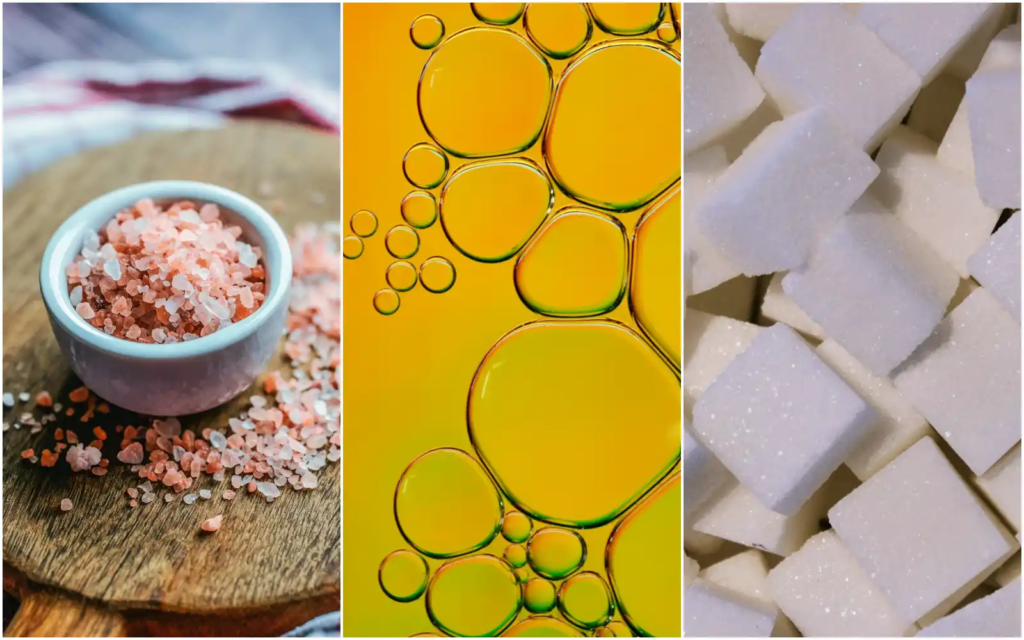
Michael Pollan once said, “Corporations cook very differently than people do. They use vast amounts of salt, fat, and sugar—much more than you would ever use in your own cooking.” That sentence stayed with me.
It made me wonder: Are these ingredients really the problem? Or have we simply forgotten how to use them with care and purpose?
This post explores what I call the philosophy of seasoning—the essential roles of salt, fat, and sugar in cooking, culture, and health.
🧂 Salt: The Flavor Elevator

Salt doesn’t just make food salty. It sharpens flavor, reveals complexity, and creates harmony. From soups to sweets, a pinch of salt can turn a bland dish into something memorable.
Historically, salt was once so prized that Roman soldiers received it as part of their wages—salarium, the origin of the word “salary.”
In cooking, salt helps:
- Highlight natural flavors
- Preserve food (pickling, curing)
- Improve texture (especially in bread and meat)
- Support fermentation (by controlling microbial activity)
Used mindfully, salt is your most reliable flavor enhancer.
🧈 Fat: The Flavor Carrier
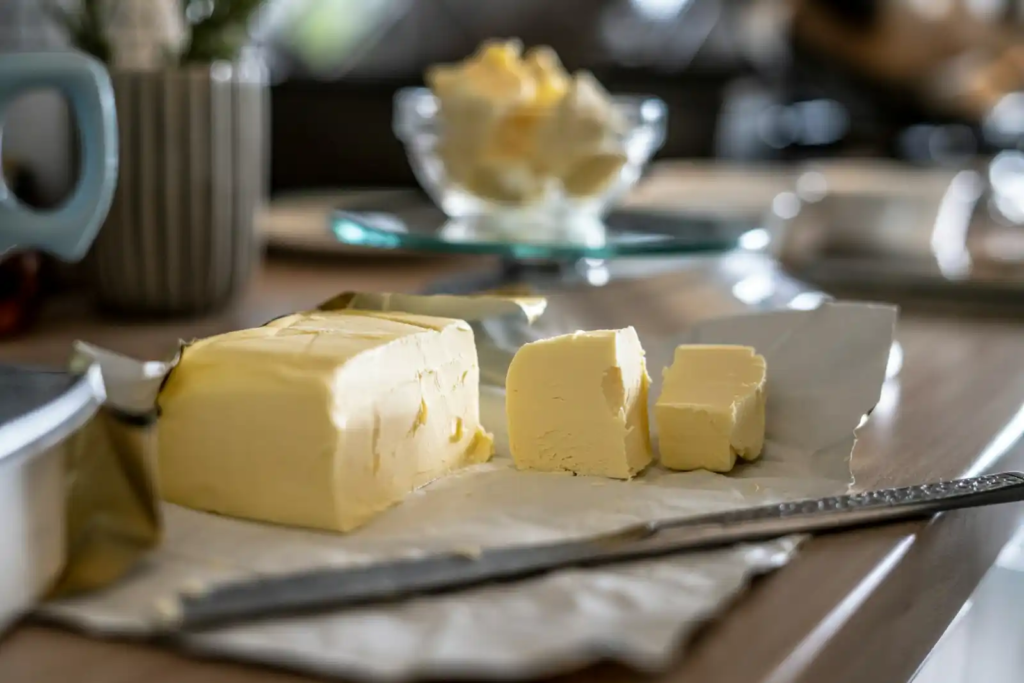
Fat adds depth, richness, and mouthfeel. It also helps carry and distribute flavor across the palate. Think of garlic sizzling in olive oil or warm butter melting on fresh bread—fat makes food indulgent and satisfying.
Common types of fat include:
- Olive oil
- Butter and ghee
- Animal fats (like lard or duck fat)
- Nut and seed oils
Fat also:
- Promotes even browning
- Creates flaky textures in pastries
- Makes sauces smooth and cohesive
Too much fat can be harmful, but with moderation and quality, it becomes essential to good cooking.
🍬 Sugar: The Flavor Balancer
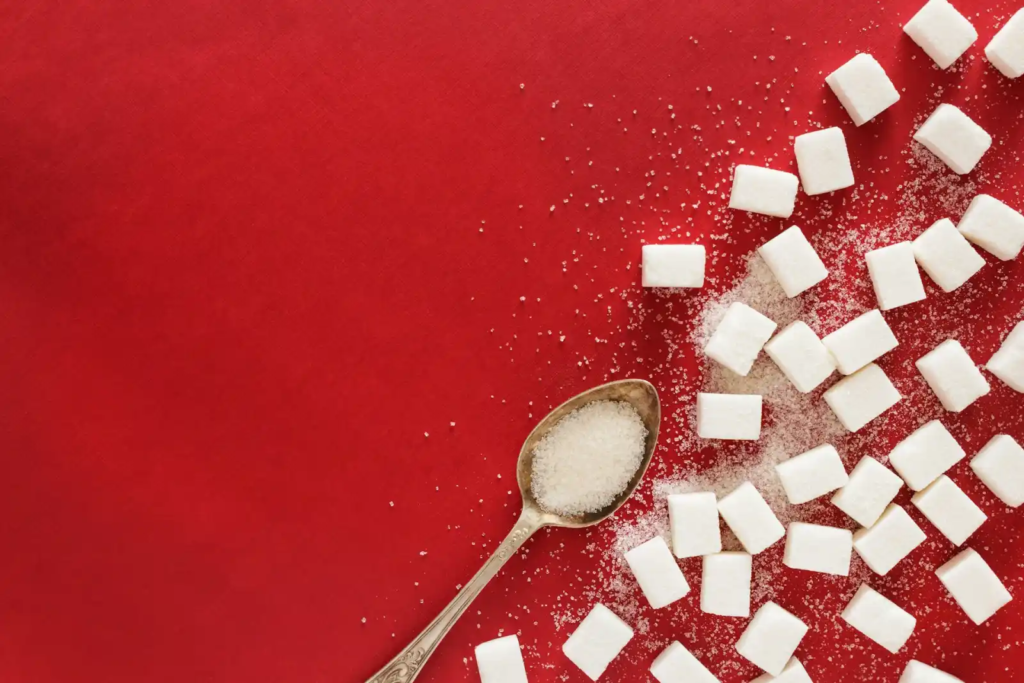
Sugar is often misunderstood. It does more than sweeten—it balances acidity, bitterness, and spice. In small amounts, it adds depth to both sweet and savory dishes.
In history, sugar was a luxury commodity, once traded like gold. Today, it’s overused in processed foods—but when used intentionally, sugar creates flavor harmony.
“White poison” — that’s how some health experts now describe sugar. Its addictive qualities and excessive presence in industrial diets have made it a growing public health concern.
Sugar helps:
- Ferment bread (feeding yeast)
- Add color through caramelization
- Soften sharp or spicy flavors
Like salt and fat, sugar is most effective when used sparingly.
When the Balance Breaks
Michael Pollan warns us about processed food: “When we let corporations cook for us, they use too much salt, fat, and sugar.” The result isn’t nourishment—it’s overstimulation.
Corporations rely on these ingredients to make food hyper-palatable, shelf-stable, and cheap to produce. Over time, this approach conditions our taste buds to crave more salt, fat, and sugar. It leads to a cycle of dependence on ultra-processed, nutrient-poor, flavor-heavy foods.
These three ingredients, used excessively, can:
- Mask poor-quality ingredients
- Make food addictive
- Harm long-term health
The problem isn’t with salt, fat, or sugar themselves. It’s how they’re used—and how often.
The Philosophy of Seasoning
Cooking at home restores balance. You taste, adjust, and connect with your ingredients. You become the decision-maker—not the factory, not the label.
When you understand salt, fat, and sugar:
- You cook more intuitively
- You reduce your reliance on processed food
- You rediscover the joy of eating real meals
These ingredients aren’t villains. They’re tools—and every good cook knows that a tool is only as good as the hand that wields it.
Season with care, and you cook with purpose. Cook with purpose, and food becomes more than fuel—it becomes culture, memory, and meaning.
🔗 Read More: My Blog Series on Cooked
If you’re curious about how Michael Pollan explores the elements of fire, water, air, and earth in the kitchen, take a look at my four-part series inspired by his Netflix documentary:
- Part 1: Fire: How Flame Forged Humanity → Read here
- Part 2: Water: How the Pot Changed the World → Read here
- Part 3: Air: The Life Inside Bread → Read here
- Part 4: Earth: The Secret Life of Fermentation → Read here
🛒 Cooked: A Natural History of Transformation by Michael Pollan
If the episode intrigued you, this book is a great next step. It deepens the journey into cooking’s elemental roots—from baking bread to fermenting cheese—with Pollan’s signature insight and storytelling.
⭐ 4.6 / 5 +1,983 reviews
“In Cooked Michael Pollan takes a look at the major processes that go into food preparation… It revitalizes the reader’s interest in our historic food culture and the approachability of it at the individual level.”
– Verified Amazon Reviewer
📚 References
- Michael Pollan. Cooked: A Natural History of Transformation. Penguin Press, 2013.
- Michael Pollan, “How Cooking Can Change Your Life.” RSA Talk, YouTube. 2013.
- Samin Nosrat. Salt, Fat, Acid, Heat: Mastering the Elements of Good Cooking. Simon & Schuster, 2017.
💛 Some links in this post are Amazon affiliate links. If you choose to purchase through them, you’re supporting this blog—thank you so much for being here.