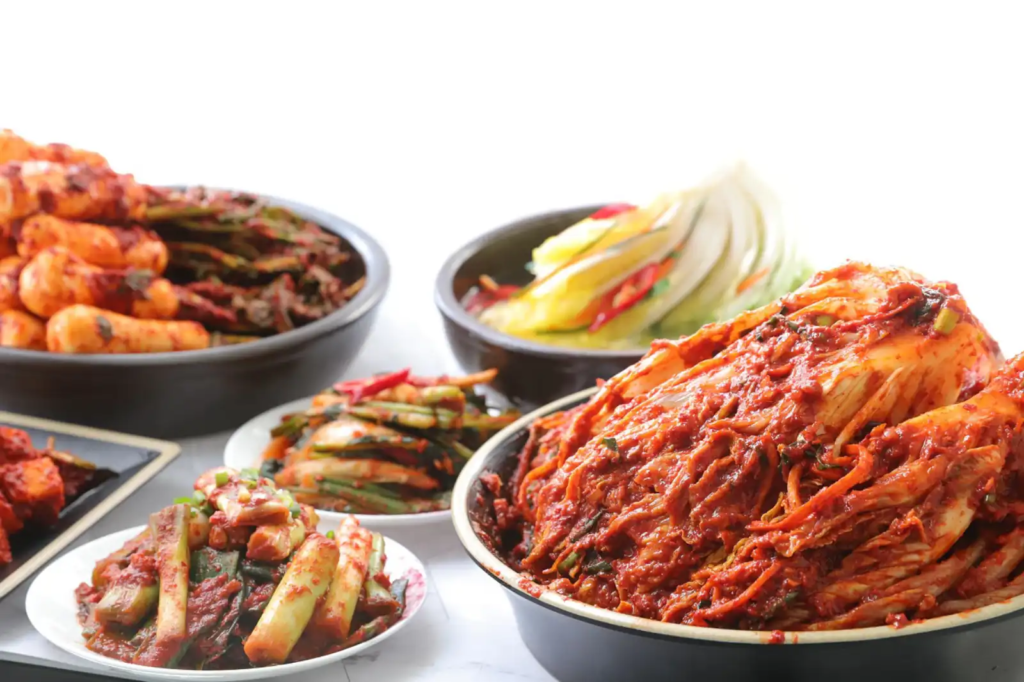
Kimchi is more than just a side dish in Korean cuisine—it’s a centuries-old tradition that embodies the essence of Korean culture. Its bold flavors, vibrant colors, and complex preparation methods have made it not only a staple in Korean households but also a growing global favorite.
What Is Kimchi?
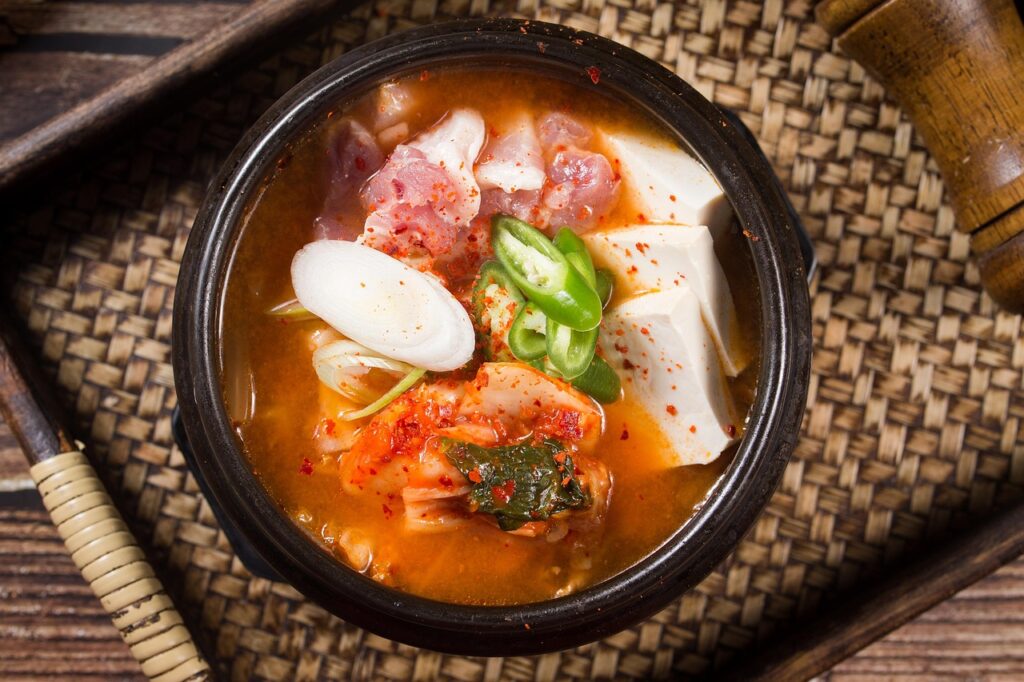
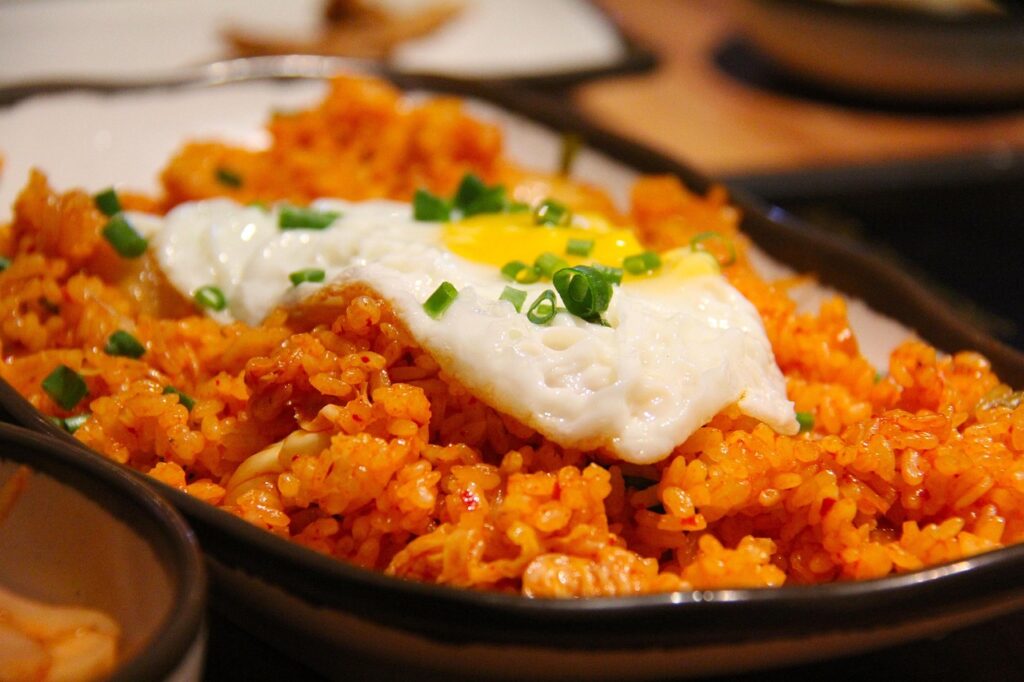
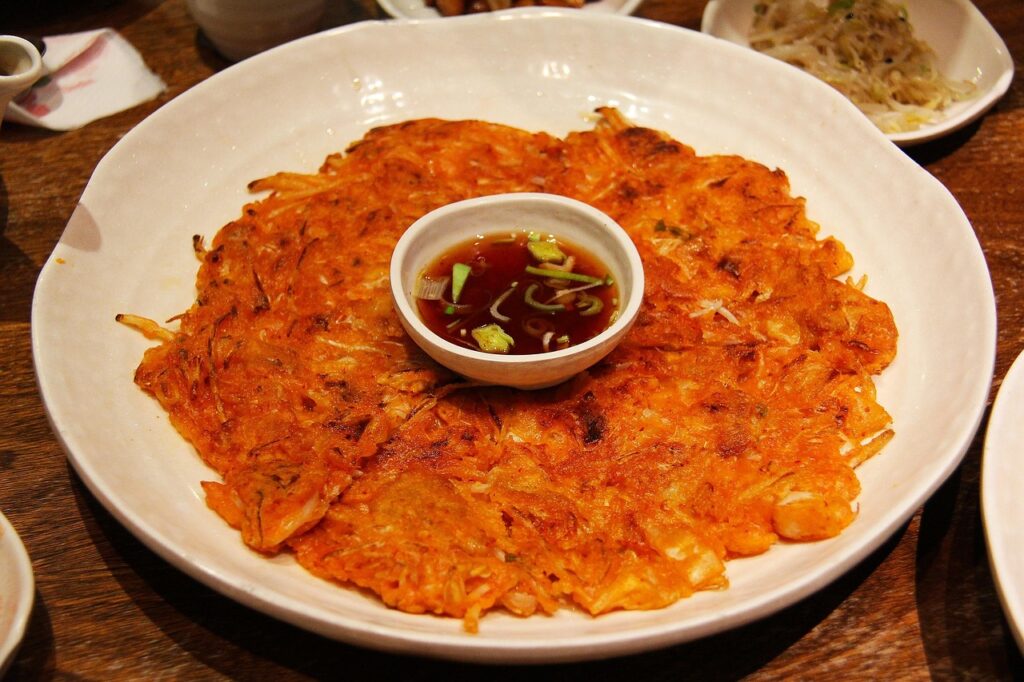
Kimchi is a traditional Korean fermented vegetable dish, most commonly made with napa cabbage and radishes. It’s typically seasoned with garlic, ginger, scallions, and a variety of spices, giving it its signature tangy, spicy, and umami flavor profile. While often served as a side, Kimchi also plays a central role in many Korean dishes like Kimchi jjigae (stew), Kimchi fried rice, and pancakes.
The Origins of Kimchi
The history of Kimchi dates back over 2,000 years to the Three Kingdoms period (around 37 BCE to 668 CE). Early forms of Kimchi were not spicy and mainly consisted of vegetables preserved in salt to survive harsh winters. These ancient fermented dishes laid the foundation for the Kimchi we know today.
The First Appearance of Kimchi
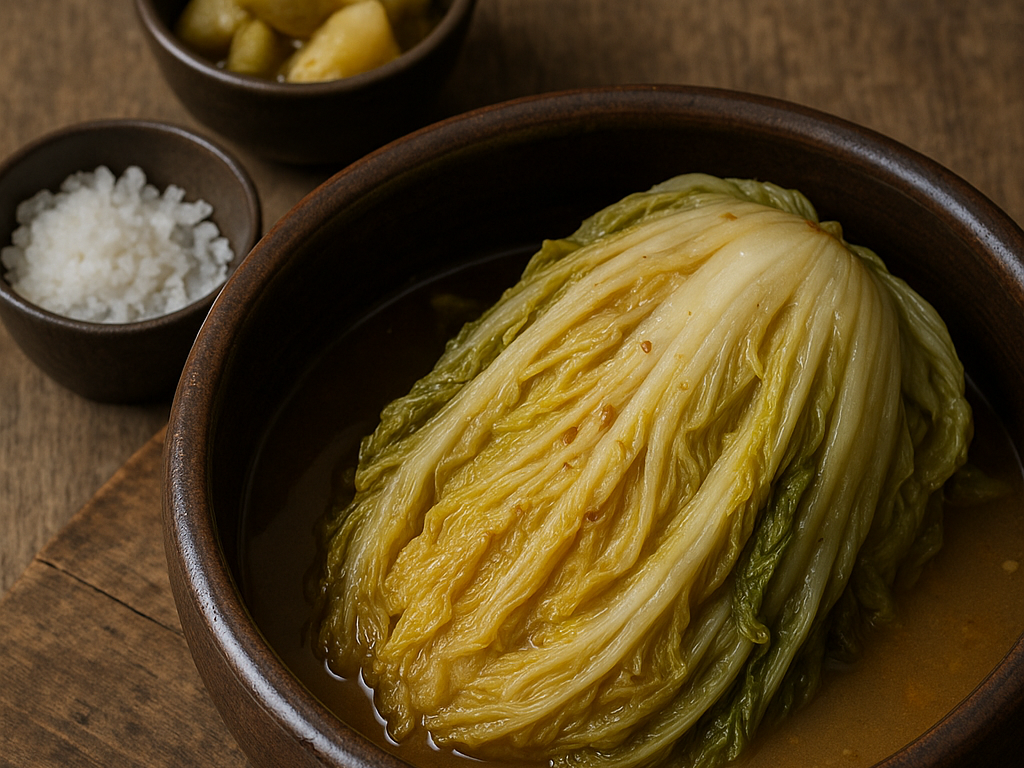
Historical texts such as the “Samguk Sagi” (History of the Three Kingdoms) mention pickled vegetables, which many scholars consider precursors to modern Kimchi. The first Kimchi likely resembled a simple salted radish or cabbage without any chili powder, relying instead on brine and natural fermentation for preservation and flavor.
When Did Red Pepper Enter the Picture?
Chili peppers were introduced to Korea from the Americas via Japan during the late 16th century, likely around the time of the Japanese invasions (1592–1698). Over time, red pepper powder (Gochugaru) became a defining ingredient in Kimchi, contributing to both its spiciness and preservation. This marked the evolution of Kimchi from a simple pickled dish to the vibrant, red version we recognize today.
How Many Types of Kimchi Exist?
There are over 200 known varieties of Kimchi, each with unique ingredients, preparation methods, and regional variations. While Baechu Kimchi (napa cabbage Kimchi) is the most well-known, others include:
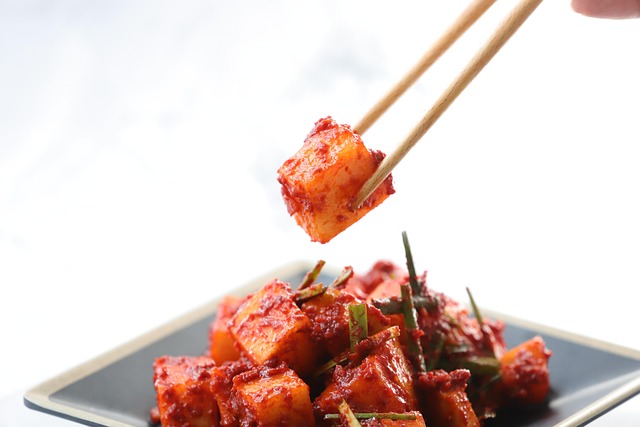
- Kkakdugi: diced radish Kimchi
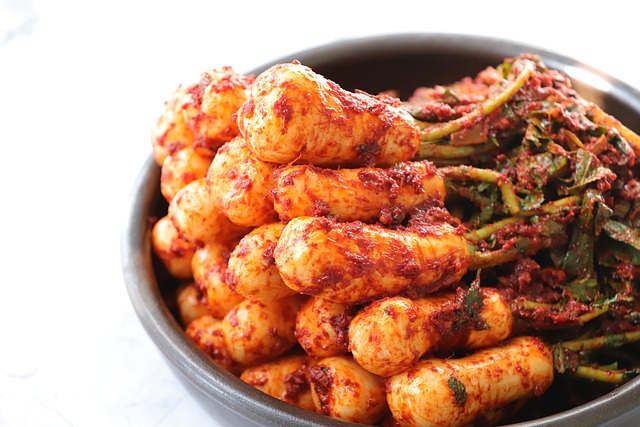
- Chonggak Kimchi: ponytail radish Kimchi
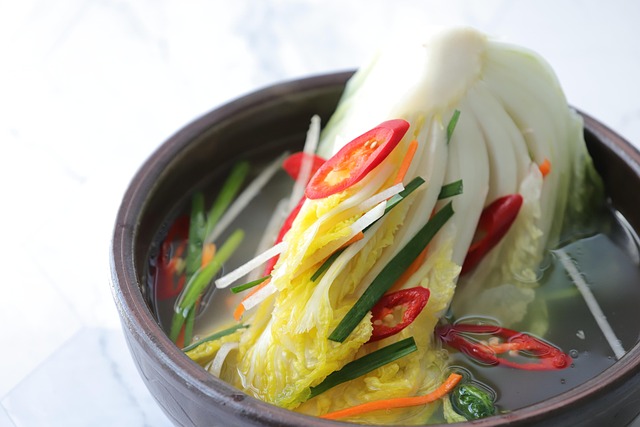
- Baek Kimchi: white Kimchi without chili pepper
- Yeolmu Kimchi: young summer radish Kimchi
- Dongchimi: watery radish Kimchi often enjoyed in winter
Regional Kimchi Specialties
Different parts of Korea have developed distinct Kimchi styles based on local ingredients and climate:
- Jeolla Province: known for bold, flavorful Kimchi with abundant seasonings and seafood-based sauces
- Gyeongsang Province: typically saltier and spicier
- Hwanghae Province (now in North Korea): lighter seasoning and more focus on vegetable freshness
- Jeju Island: often uses more fermented fish due to limited access to fresh produce
Why Is Kimchi Good for You?
Kimchi is celebrated not only for its flavor but also for its health benefits. Rich in dietary fiber, vitamins A, B, and C, and lactic acid bacteria from fermentation, it supports gut health, boosts immunity, and may even have anti-inflammatory properties. Studies have also linked Kimchi consumption to reduced cholesterol and improved digestive health.
Kimchi’s Global Appeal



Once a hidden gem of Korean cuisine, Kimchi has now gained international recognition. With the rise of Korean pop culture and a growing global interest in fermented foods, more people are discovering Kimchi every year. It is now available in supermarkets around the world, featured in fusion recipes, and even promoted as a superfood in wellness circles.
Whether enjoyed at a traditional Korean meal or as part of a global food trend, Kimchi stands as a powerful symbol of Korea’s culinary heritage and its enduring connection to health, history, and flavor.
🔗 Continue Exploring Fermented Foods
→ Explore Part 1: Asia’s Superfoods
Discover the power of fermented foods across Korea, Japan, and China.
→ Read Part 2: Europe’s Gut-Healing Classics
From sauerkraut to kefir, learn how Europe supports gut health through tradition.