Inspired by the Netflix documentary series High on the Hog, Season 1, Episode 4: “Freedom”—exploring Texas barbecue and Juneteenth through the lens of Black history and food.
💜 What is Juneteenth?
Juneteenth — short for June Nineteenth — marks the day in 1865 when enslaved African Americans in Galveston, Texas were finally informed of their freedom, more than two years after emancipation was declared.
In High on the Hog, Episode 4, host Stephen Satterfield shows how Juneteenth is celebrated through food—barbecue, red drinks, and cowboy beans—each dish carrying a story of resilience, heritage, and freedom.

⚫ Why Juneteenth Still Matters
Now a federal holiday, Juneteenth has long been a day of remembrance and celebration in Black communities across the South.
It honors the long-delayed promise of freedom, and how food remains a vital way to connect with the past. As seen in the episode, it’s through shared meals and stories that culture lives on.
“In recent years, movements like Black Lives Matter have brought renewed attention to America’s ongoing struggle with racial justice. Juneteenth is not just a historical marker—it’s a living reminder that freedom, dignity, and cultural identity must still be actively preserved and celebrated.”
— Narration from High on the Hog, Season 1, Episode 4
🔥 The Taste of Freedom: Barbecue, Beans, and Red Punch
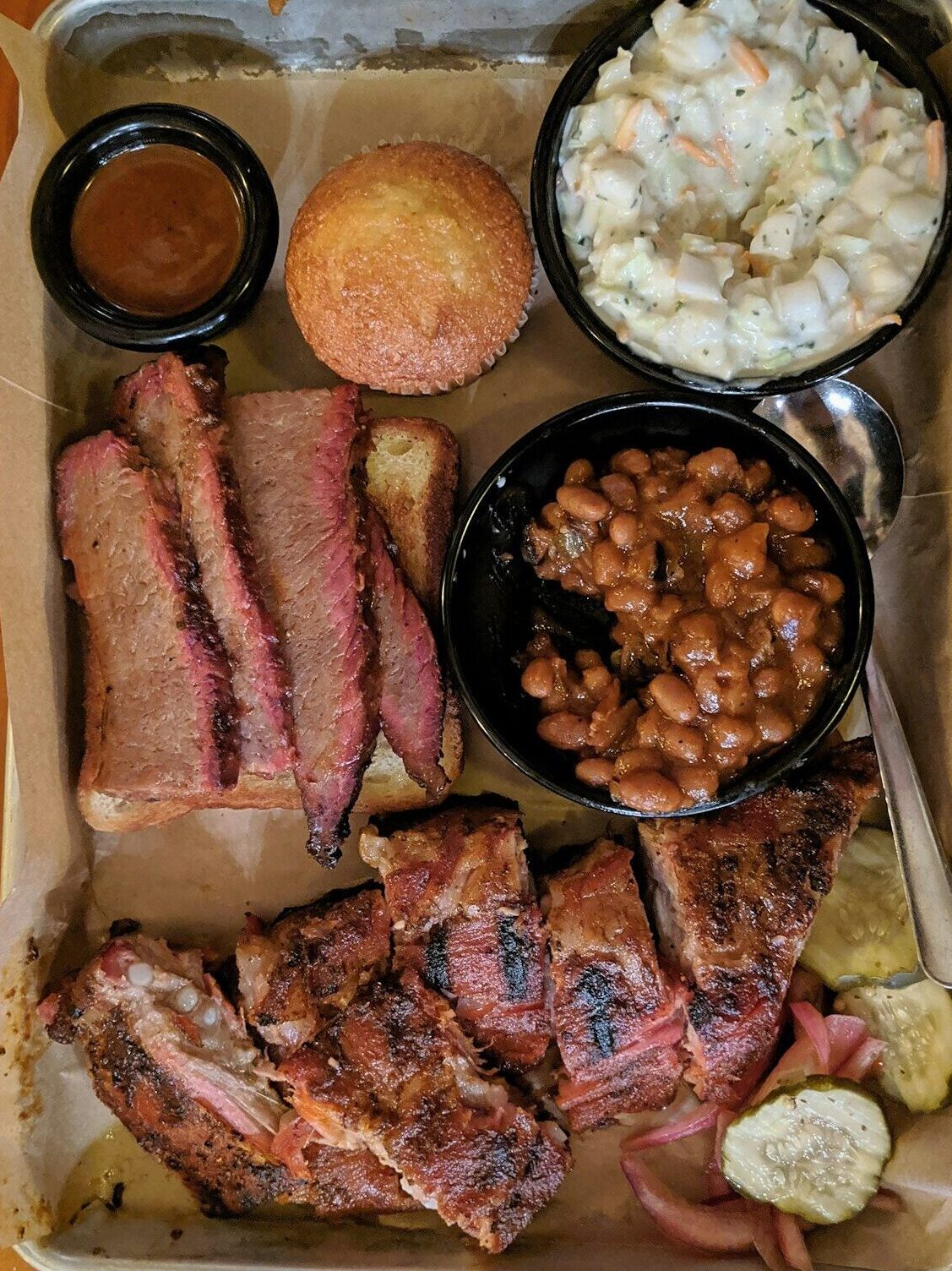
Episode 4 features dishes that have become central to Juneteenth celebrations:
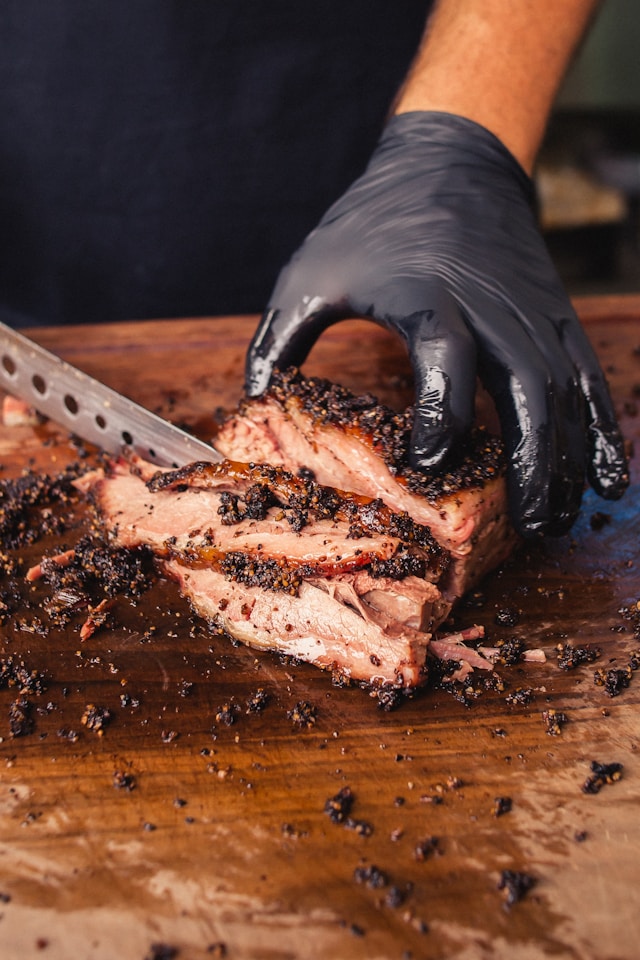
- Texas-Style Smoked Brisket — low and slow, tender and smoky
- Cowboy Beans — hearty, spiced, and rooted in cowboy traditions of formerly enslaved men
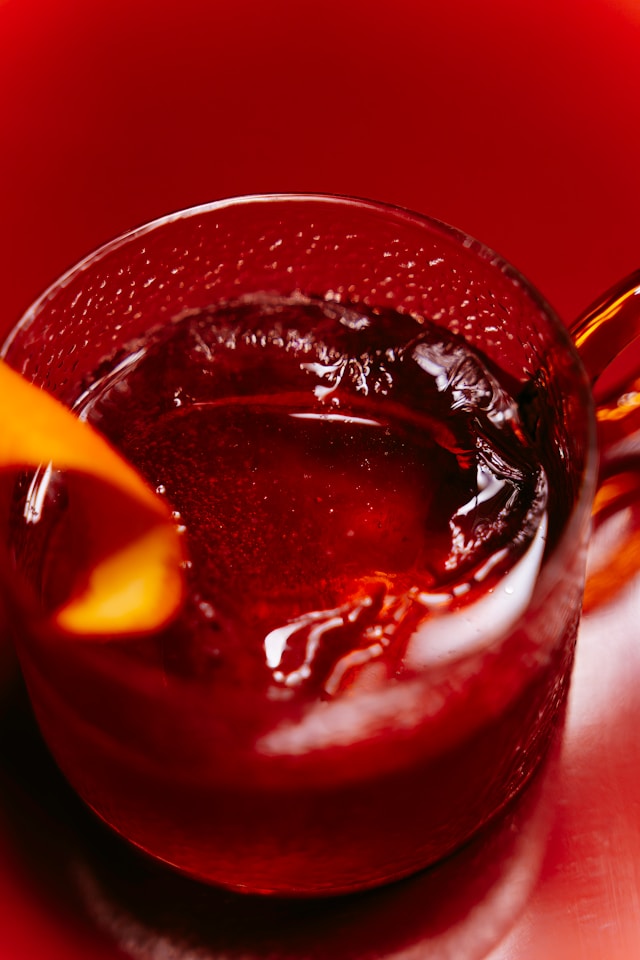
- Red Drinks & Desserts — hibiscus punch, red velvet cake, and watermelon, symbolizing perseverance and ancestral strength
These aren’t just meals — they are messages. They speak of survival, adaptation, and joy in spite of hardship.
🏥 Restaurants Featured in the Episode
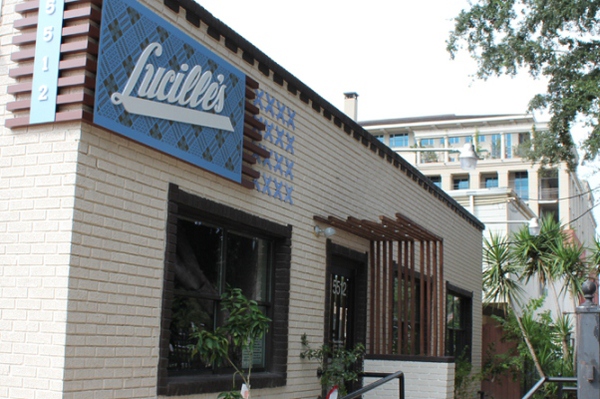
1. Lucille’s (Houston, TX)
Located in Houston, this restaurant is led by Chef Chris Williams, inspired by his great-grandmother Lucille B. Smith, a culinary innovator. The restaurant was featured in the episode as a modern embodiment of heritage cooking.
- What to try: Oxtails, chili biscuits, and hot rolls based on historical recipes
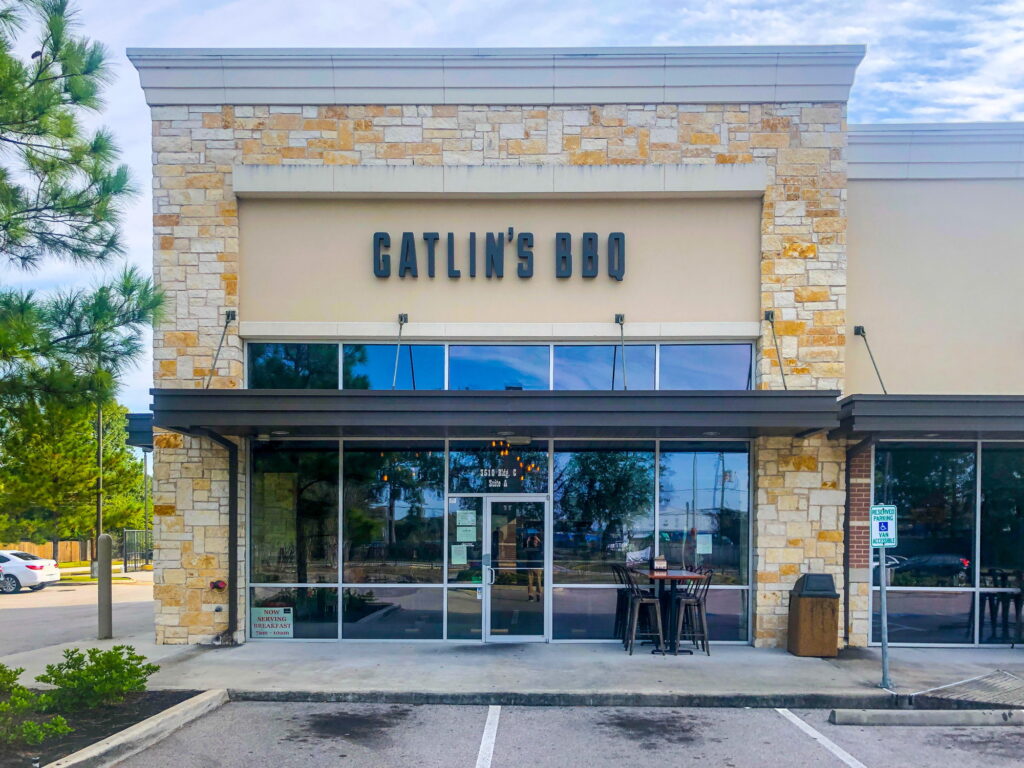
2. Gatlin’s BBQ (Houston, TX)
A family-run BBQ joint in Houston featured in the episode for its commitment to traditional Texas barbecue and community.
- What to try: Brisket, ribs, and Southern sides like collard greens
3. New Zion Missionary Baptist Church BBQ (Huntsville, TX)
This church-based BBQ spot reflects the deep connection between faith, food, and freedom in Black communities.
- What to try: Smoked meats served during Juneteenth celebrations, with a powerful communal atmosphere
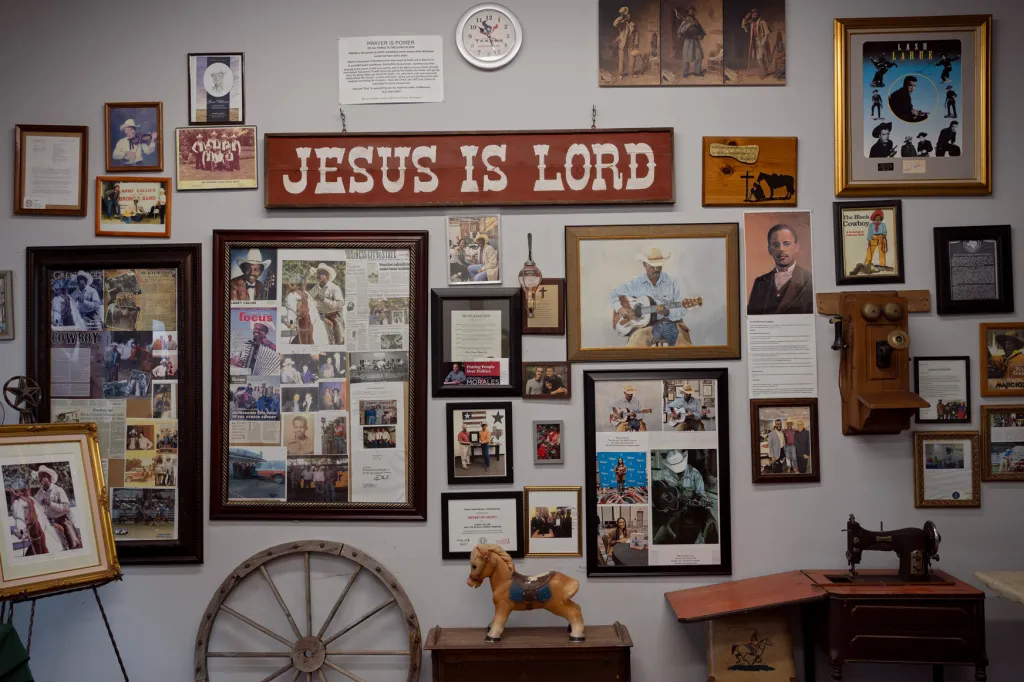
4. The Black Cowboy Museum (Rosenberg, TX)
While not a restaurant, this Rosenberg museum preserves the legacy of African American cowboys, many of whom played a huge role in Texas barbecue culture.
- What to see: Vintage photos, rodeo stories, and exhibits on Black cowboy life
🍽️ Additional Austin BBQ Spots I Recommend
1. Franklin Barbecue (Austin, TX)
Though not featured in the episode, this spot is legendary in Texas. I actually went there twice and still didn’t get to eat! Even after arriving two hours before opening, the line was so long I gave up both times.
- Tip: Arrive very early or be prepared to wait up to 3 hours.
2. Terry Black’s Barbecue (Austin, TX)
This one I did get to try — and I still dream about those beef ribs. With locations in Austin and other cities, it’s easily one of the best BBQ spots I’ve experienced.
- What to try: Massive, smoky beef ribs with classic sides like mac and cheese and pickled onions
🍽️ Explore All of the Culinary History in High on the Hog – Season 1
📍 Episode 1 – Benin: Where the Story of African American Cuisine Begins
📍 Episode 2 – South Carolina: The Rice Kingdom
📍 Episode 3 – Virginia: African American Chefs and the Birth of Fine Dining
📍 Episode 4 – Texas: Juneteenth and African American Barbecue Traditions (You’re reading it)