In this final episode of Salt, Fat, Acid, Heat, Samin Nosrat returns home to Berkeley to explore the magic of heat — the element that transforms simple ingredients into extraordinary dishes.

The final episode of Salt, Fat, Acid, Heat brings us to Berkeley, California, where Samin Nosrat explores the transformative power of heat. Heat turns raw into cooked, flabby into firm, and pale into golden brown. The sizzle, crackle, steam, and aroma — they’re all the result of heat meeting food.
Samin’s message is clear: if you understand heat, you can cook anything well.
Mastering the Grill with Amy Dencler
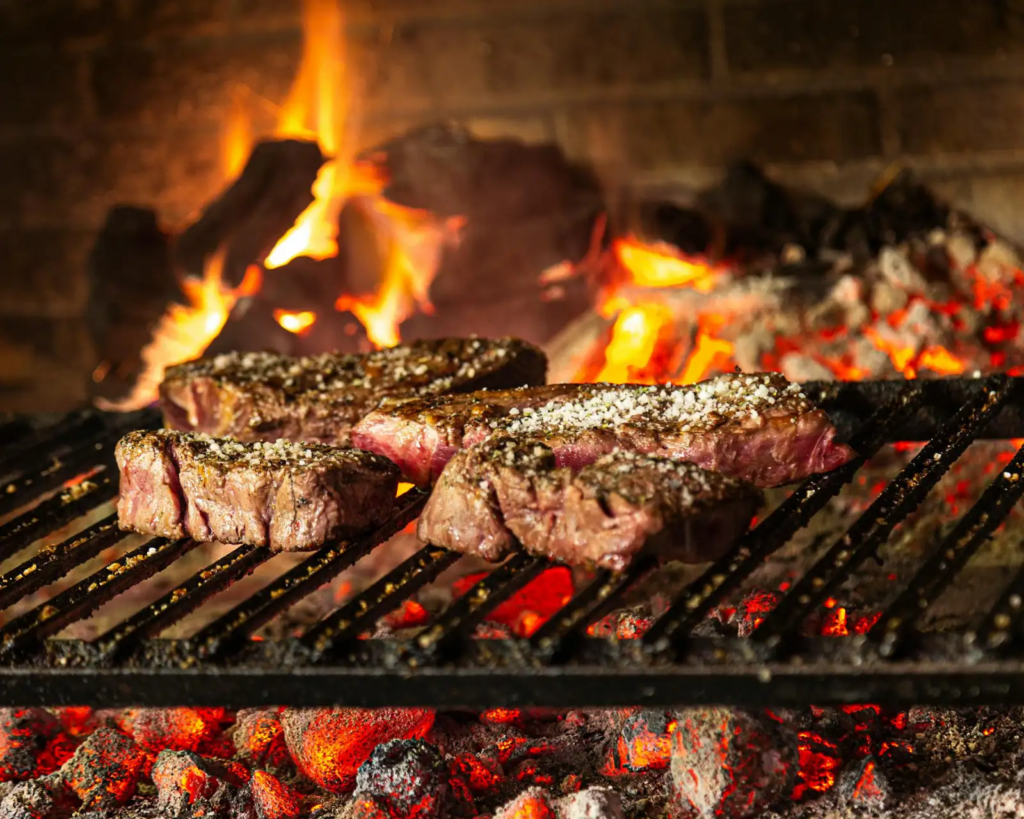
At the legendary Chez Panisse, Samin joins Chef Amy Dencler to learn how to control fire for the perfect steak.
- Create heat zones. Keep one side hot, the other cooler.
- Rotate for even cooking. Most of the heat is in the back, so turn the steak to expose all sides.
- Finish one side before flipping. Let it cook to your desired doneness before turning.
Forget the perfect 90-degree grill marks from commercials — they don’t mean better flavor. In fact, the unmarked areas may be undercooked, leaving the steak less tasty.
Choosing the Right Meat
Samin’s meat-buying tips:
- Look for marbling. White streaks of fat add flavor and tenderness. As the meat cooks, this fat melts and bastes it from the inside.
- Know your cuts. Brisket’s fat cap remains even after hours of smoking, adding richness to barbecue.
- Blend for burgers. The best burger shops mix cuts like brisket, short rib, and chuck to combine different flavors and fat levels.
Samin’s Buttermilk Roast Chicken
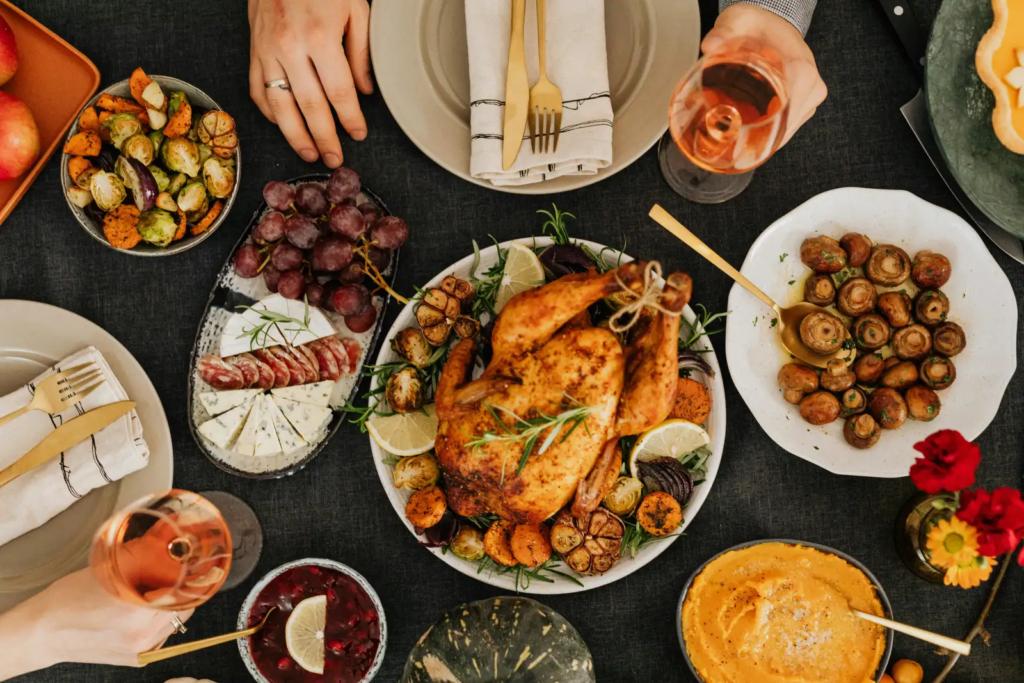
At home, Samin shares her favorite way to roast chicken:
- Season with salt and place in a zip-top bag.
- Add buttermilk for fat and acid to tenderize the meat.
- Refrigerate for a day.
- Bring to room temperature before roasting — cold meat never cooks evenly.
- Preheat the oven to 425°F. Place the chicken so the legs face the hotter back.
- Check during cooking and reposition as needed.
- Test doneness by wiggling the leg bone — it should move easily.
- Rest for 10–15 minutes before carving, allowing the juices to redistribute into the meat so it stays moist and tender.
She explains that chicken parts behave differently:
- Breast meat starts tender but firms as it cooks.
- Legs firm up, then relax into tenderness in a second stage of cooking.
Shopping Smart for Vegetables
Great cooking doesn’t always need expensive ingredients. Samin’s shopping tips:
- Citrus: Lemons and limes can bring brightness to Indian, Mexican, or Vietnamese dishes. Choose ones that yield slightly when pressed — they’re juicier.
- Herbs: Trim the stems, store in water, and refrigerate to keep them fresh for up to a week.
- Broccoli & Cauliflower: Check the stems — avoid any with yellow or brown spots for maximum freshness.
Matching Heat to the Ingredient
Intense heat browns and crisps the outside while keeping the inside tender.
Gentle heat uses time and moisture to soften tough, dry ingredients.
For a bean and herb salad, Samin soaks beans overnight, then cooks them gently so they stay moist without wrinkling. For Brussels sprouts, toss them well with oil and salt in a bowl, spread them out on a baking sheet, and avoid crowding. This way, the tops brown from air circulation, and the bottoms brown through conduction. The same goes for carrots and cauliflower — check doneness as density varies.
Browning is a delicious result of the Maillard reaction.
The Right Salt
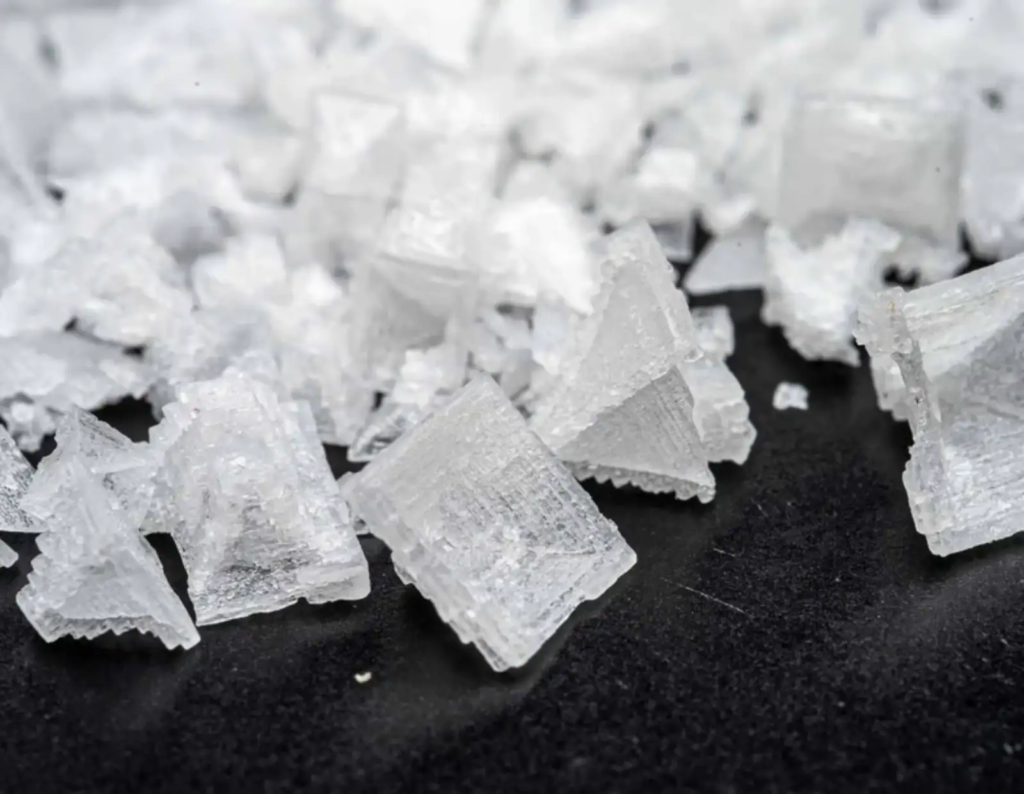
Not all salt is equal. Choose one with a clean taste. Avoid iodized salt, which can have a metallic flavor.
Samin’s Favorites:
- Diamond Crystal Kosher Salt – Flat crystals stick to meat and dissolve easily.
- Maldon Salt – Delicate pyramid flakes that add crunch without overpowering, perfect as a finishing touch.
Pro Tip: Even salts labeled “kosher” vary in intensity. Morton’s kosher salt is twice as salty as Diamond Crystal, so always know your salt’s strength before seasoning.
Cooking with Mom: Tahdig — And the Joy of Cooking Together
With her mother, Shahla Nosrat, Samin makes tahdig, the Persian crispy rice dish that uses boiling, steaming, and frying all in one pot — a perfect example of heat’s versatility.
This moment captures her final message: you don’t need a fancy feast to cook with others. A simple salad, slicing an avocado, or dressing greens together builds confidence and connection. Cooking is about sharing the process, not perfection. Even if it doesn’t work out today, you can try again tomorrow. That’s how we learn — and that’s how we fall in love with cooking.
🔗 Explore More
Salt, Fat, Acid, Heat: Mastering the Elements of Good Cooking
The bestselling cookbook that inspired the Netflix series. Samin Nosrat teaches the four essential elements of good cooking through science, storytelling, and beautiful illustrations. ⭐️ 4.8 + 9,800+ reviews
“This book changed the way I understand flavor. It’s not just a cookbook—it’s a food education.” — Verified Amazon Reviewer
🇯🇵 Salt in Japan: Discover how salt shapes flavor and culture.
🇮🇹 Fat in Italy: Learn how richness and texture define Italian cooking.
🇲🇽 Acid in Mexico: Discover how brightness and balance define Mexican cooking.
💛 Some links in this post are Amazon affiliate links. If you choose to purchase through them, you’re supporting this blog—thank you so much for being here.