Why the world’s favorite side dish is anything but simple
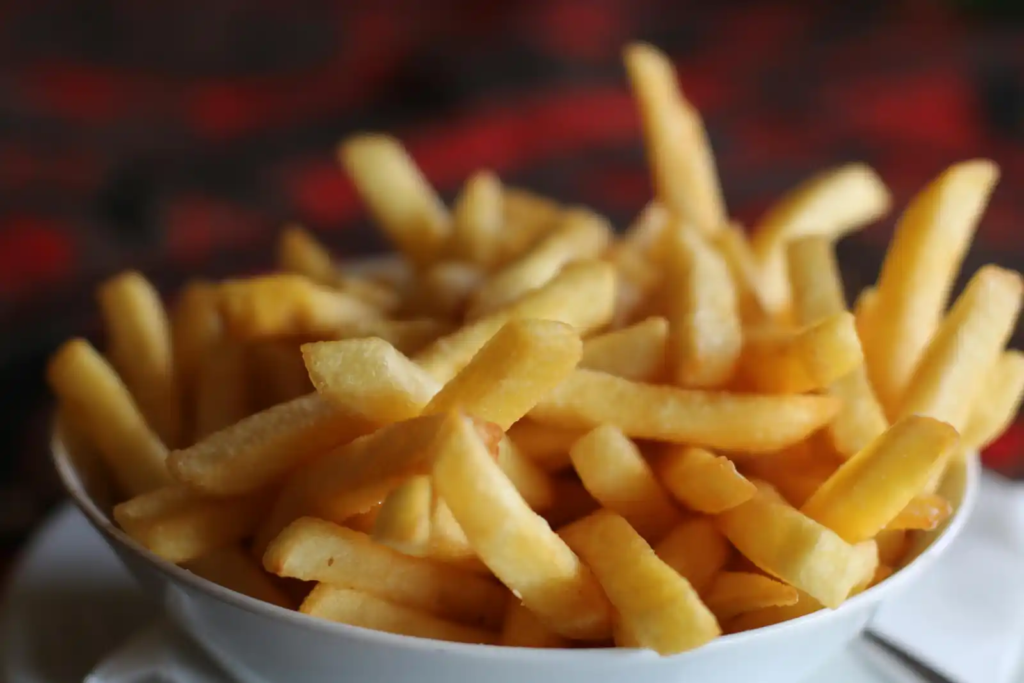
🍟 A Love Letter to Fries
Crispy, salty, golden. Few things make us happier than a basket of fries. Whether you’re dipping them in ketchup, mayo, or just munching on them straight out of the bag, French fries have earned their place in our hearts – and on nearly every fast-food menu around the globe.
But before we dip into the ketchup, let’s pause. Where did these irresistible sticks of joy actually come from? How did they become a global obsession? And what makes the perfect fry?
Where Did Fries Come From?
Here’s the truth: no one really knows who made them first. Belgium claims they were frying potatoes back in the late 1600s when frozen rivers kept people from fishing. Instead of fried fish, they cut potatoes into strips and fried those instead. France, on the other hand, says their street vendors popularized “pommes frites” during the French Revolution.
The debate goes on. But one thing is clear: fries won the world over.
Interestingly, despite Belgium’s strong claim as the birthplace of fries, they came to be known as “French” fries—likely because American soldiers during World War I encountered them in the French-speaking part of Belgium and assumed they were in France.
Who Eats the Most Fries?
The United States leads in French fry consumption. The average American eats more than 29 pounds of fries per year [1]. That’s a lot of dipping.
In Belgium, fries are more than a side dish. They’re a cultural icon. You can find traditional “friteries” on almost every street corner, serving fries in paper cones with dozens of sauce options.
Not all fries look the same around the world. Here’s how a few countries do it:
| Country | Fry Style | Description |
|---|---|---|
| 🇧🇪 Belgium | Thick-cut sticks | Double-fried for a crispy exterior and soft inside. Usually served in paper cones with sauces. |
| 🇫🇷 France | Medium or thin-cut fries | Often served in cafés as pommes frites, crispier and more delicate. |
| 🇺🇸 United States | All types (shoestring, wedge, curly, waffle) | Highly diverse. Fast food chains popularized thin and uniform cuts, but wedges, crinkle-cuts, and waffle fries are also beloved. |
What Makes the Perfect Fry?

It all starts with the potato. Russet Burbank is the gold standard. High starch and low moisture give it the perfect texture when fried.
But it’s not just the potato—it’s the method. The secret? Double frying. First at a lower temperature to cook the inside, then again at a higher temp to crisp up the outside. This gives fries that soft, fluffy interior with a golden crunch.
Some traditionalists swear by beef tallow for frying, but most use vegetable oil now.
And what about air fryers or ovens? While they can produce a decent crunch and are more convenient (and healthier), there’s a reason why deep-fried still tastes better. The immersion in hot oil allows for more even cooking and a Maillard reaction that gives fries their rich, savory flavor and deeper golden color. Simply put, oil-fried fries offer a complexity and crispness that dry heat methods struggle to match.
🛒 Recommended Tools for Perfect Fries
PrepWorks Tower Fry Cutter – Heavy-Duty Potato Cutter for Perfect Fries
If you want fresh-cut fries at home with clean oil and perfect slices, this tool is for you. Easy to use and easy to clean. Stainless Steel Blades, BPA-Free ⭐️4.4/5 +2,900 reviews
“Works like a charm. I can make restaurant-quality fries in minutes without the mess. Definitely a game changer!”
– Verified Amazon Reviewer
New Star Foodservice 42306 Commercial Grade French Fry Cutter with Suction Feet
For those wanting something more commercial and professional, this heavy-duty cutter is built to last. Great for large batches or frequent fry nights. ⭐️4.5/5 +3,400 reviews
“Sturdy, easy to use, and slices perfectly every time. I wish I had bought this sooner.”
– Verified Amazon Reviewer
304 Stainless Steel Deep Fryer Pot with Basket & Strainer– Dishwasher Safe (68oz/2L)
If you’re looking for the perfect deep pot to fry your fries, this one is an excellent choice. It’s also versatile enough to be used for bacon grease, oil storage, or outdoor cooking. ⭐️4.6/5 +1,800 reviews
“This fryer pot changed my kitchen game. Easy to clean, sturdy, and the basket makes frying so much easier!”
– Verified Amazon Reviewer
Cooked: A Natural History of Transformation by Michael Pollan
If the episode intrigued you, this book is a great next step. It deepens the journey into cooking’s elemental roots—from baking bread to fermenting cheese—with Pollan’s signature insight and storytelling.
⭐ 4.6 / 5 +1,983 reviews
“In Cooked Michael Pollan takes a look at the major processes that go into food preparation… It revitalizes the reader’s interest in our historic food culture and the approachability of it at the individual level.”
– Verified Amazon Reviewer
Fries Get a Makeover: Viral Trends
Longer, crispier, and even fancier. Social media has transformed the way we see fries. TikTok and Instagram are full of videos featuring extra-long fries, cheese-drenched trays, and truffle oil finishes.
These days, fries aren’t just a side—they’re the main event.
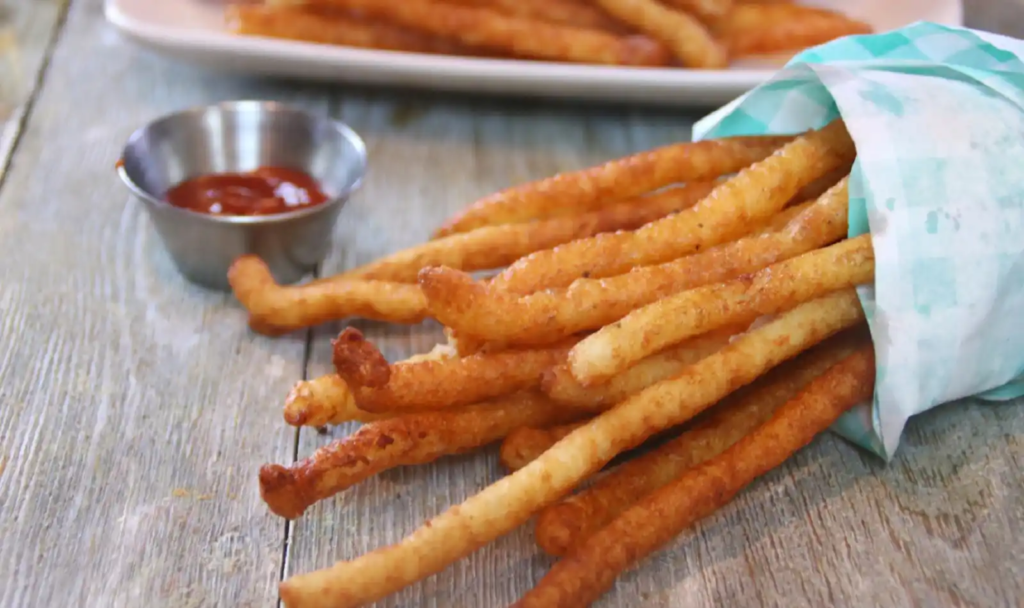
Final Bite
French fries may seem simple, but behind every crunchy bite lies a world of history, culture, and technique. And for many of us, they’re more than just food—they’re a source of comfort, nostalgia, and joy.
I’ll admit it: I’ve probably been one of those people eating 29 pounds of fries a year. Why are they so addictive? It’s that magical combination—the carbs and fat sizzling together in hot oil, the sprinkle of salt, the sweetness of ketchup, and that unmistakable golden crunch.
Of course, too much of anything isn’t good for us. But when we enjoy fries in moderation (definitely less than 29 pounds!), they become more than just a guilty pleasure. A crispy fry, enjoyed mindfully, might just be one of life’s simplest and happiest moments.
Part 2 coming soon: What’s Really Inside Your Fries?
📚References
[1] National Potato Council. (2022). U.S. per capita potato consumption.
💛 Some links in this post are Amazon affiliate links. If you choose to purchase through them, you’re supporting this blog—thank you so much for being here.