How invisible microbes and ancient techniques shaped the food that built civilizations.

🌬️ Introduction
In the third episode of Cooked, Michael Pollan explores the most intangible and magical element of all: air. Though invisible, air is what transforms a mix of flour, water, and salt into something alive. As Pollan puts it, air doesn’t just make bread rise—it lifted human civilization.
From Air to Civilization
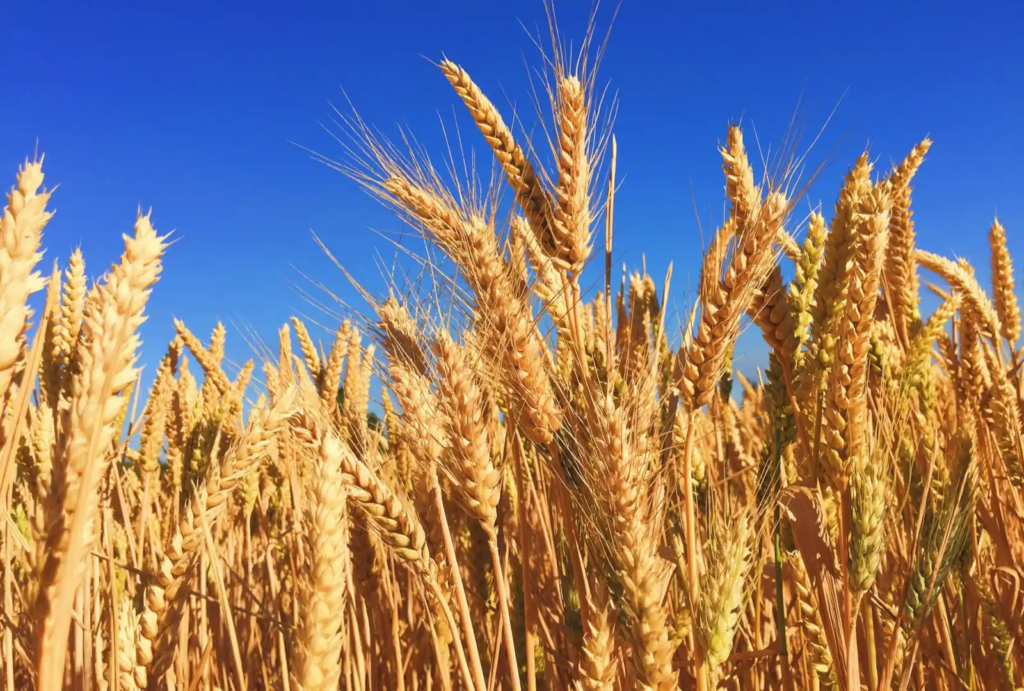
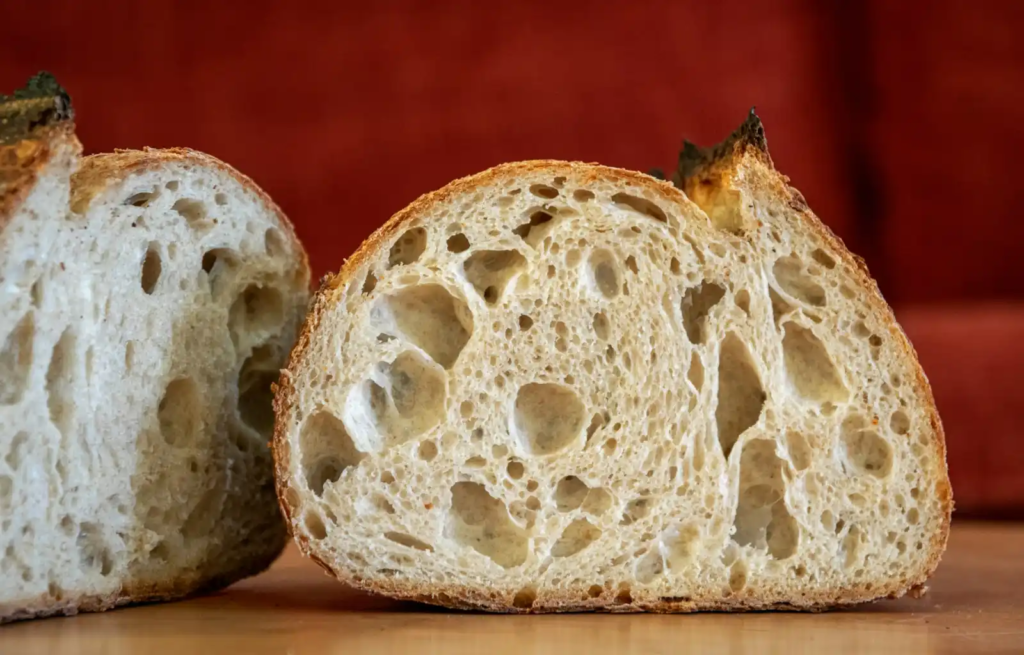
Bread begins with simple ingredients, but it’s the wild microbes in the air that bring dough to life. These organisms cause natural fermentation, releasing carbon dioxide that gluten traps—creating the bubbles and texture we associate with real bread.
Pollan visits Morocco, where farming families grow wheat, grind it into flour, and bake fresh loaves each day. For them, bread is not just food—it’s life itself. It’s also deeply political. A spike in bread prices can lead to unrest, showing just how vital and symbolic this staple is.
In Moroccan cities, communal ovens (furns) still bake dozens of loaves daily. These spaces offer more than heat—they sustain routine, tradition, and social connection.
Meanwhile, at Berkshire Mountain Bakery in Massachusetts, owner Richard Bourdon calls himself a “grain processor,” not a baker. He refuses to use commercial yeast, insisting that true bread must be naturally fermented. His slow, mindful method creates loaves that are flavorful, digestible, and resistant to industrial shortcuts.
🍞 What’s Cooking?
In this episode, Pollan dives into the quiet magic of breadmaking by visiting people and places where fermentation remains sacred:
- Moroccan wheat and baking traditions: In rural communities, families plant, harvest, and grind their own wheat—turning it into daily bread. It’s both sustenance and survival.
- Shared baking in neighborhood ovens: In Marrakech, women prepare dough at home and bring it to local furns. These communal ovens bake for entire neighborhoods, reinforcing rhythm and togetherness.
- Berkshire Mountain Bakery: Richard Bourdon focuses on natural fermentation and whole grains. He avoids yeast entirely and lets time and microbes do the work—creating bread that’s good for the gut and the soul.
- Pollan’s own experiment: Inspired by these methods, Pollan tries growing a sourdough starter and baking a loaf. The process humbles him—it’s slow, messy, and alive.
More Than Just Bread
This episode helps clarify a growing myth: gluten isn’t the enemy. While around 1–2% of people have celiac disease, most digestion issues come from how bread is made—not what it contains.
Factory-made bread is often produced in under two hours using refined flour, instant yeast, and more than 30 artificial additives—including preservatives, emulsifiers, sweeteners, and stabilizers. There’s little to no fermentation time, which means the dough isn’t properly broken down. As a result, many people associate bread with bloating, fatigue, or inflammation.
This misunderstanding has led to an explosion of gluten-free products. But cutting gluten isn’t always the answer. In many cases, it’s the lack of proper fermentation and the overprocessing that causes problems.
By contrast, naturally fermented sourdough breaks down gluten through time and microbial action. Its tangy taste even stimulates saliva and digestion. Real bread, made simply and slowly, supports our bodies rather than burdens them.
Pollan also explores how climate change is shifting where and how wheat grows. As conditions evolve, farmers are working to protect both resilience and nutrition in their crops.
“All cooking is alchemy. Bread is the greatest alchemy of all. Out of thin air—literally.” – Michael Pollan
🛒 Cooked: A Natural History of Transformation by Michael Pollan
If the episode intrigued you, this book is a great next step. It deepens the journey into cooking’s elemental roots—from baking bread to fermenting cheese—with Pollan’s signature insight and storytelling.
⭐ 4.6 +1,983 reviews
“In Cooked Michael Pollan takes a look at the major processes that go into food preparation… It revitalizes the reader’s interest in our historic food culture and the approachability of it at the individual level.”
– Verified Amazon Reviewer
🛠️ Sourdough Bread Baking Supplies – Complete Starter Kit
This all-in-one set includes a proofing basket, starter jar, scraper, lame, thermometer, and measuring tools. It’s beginner-friendly and fully equipped—so you can start baking real sourdough right away with no guesswork.
⭐ 4.7 +3,214 reviews
“I was completely new to sourdough and this kit made it so easy. Everything was high quality and the instructions were clear. Within a week, I was baking beautiful loaves!”
— Verified Amazon Reviewer
💬 Final Thoughts
As someone who proudly identifies as a bread lover, I used to gravitate toward sweet pastries rather than tangy sourdough. Whenever I felt bloated, I blamed the butter—or the gluten—without knowing the truth.
Watching this episode changed that. I now see that people aren’t just baking for fun—they’re reconnecting with the basics. They’re embracing time, patience, and natural fermentation.
This episode reminded me that bread has been misunderstood. When made with care and air, it’s not just food. It’s energy, culture, and continuity.
And yes—it all begins with air.
Up Next: Episode 4 – Earth: Fermentation and the Hidden World Beneath Our Feet
💛 Some links in this post are Amazon affiliate links. If you choose to purchase through them, you’re supporting this blog—thank you so much for being here.