From fire to simmer—how water transformed cooking, health, and the very structure of home.

💧 Introduction
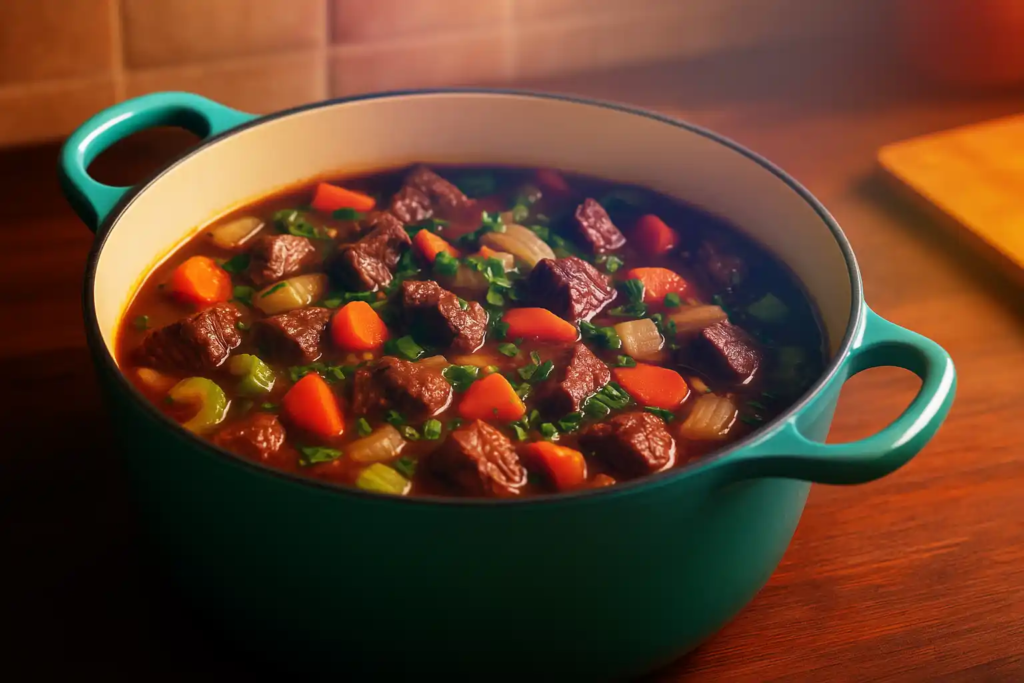
In Episode 2 of Cooked, Michael Pollan explores the power of water in cooking. The story begins with a memory: his mother’s turquoise-colored pot, where soups and stews simmered gently. That pot held simple ingredients and time—and what came out was more than food. It was comfort, chemistry, and care.
Water, unlike fire, needs a vessel. And with it, we gained new flavors, better nutrition, and more connected homes. Slow cooking blends and transforms, making meals that restore and connect.
From Simmer to Sustenance
How water reshaped home life, food culture, and daily rhythm.
In India, women still cook stews like dal in clay pots over fire. These meals nourish both body and tradition. Pollan shows how slow cooking isn’t just a method—it’s an act of love.
He contrasts this with America’s post–World War II shift to processed foods. Fast, cheap, and designed to hit our cravings, these meals became the new norm. Salt, sugar, fat, and refined carbs replaced time and care.
The cost? Rising obesity, shrinking kitchen time, and junk food being cheaper than vegetables. For many low-income families, cooking fresh food is harder than ever.
Meanwhile in India, systems still support home-cooked meals—delivered to offices or served equally in religious dining halls. There, food remains a shared right, and cooking, an act of everyday dignity.
What’s Cooking in This Episode?
A closer look at the meals and moments that define water-based cooking.
- Indian Home Cooking: Lentils and curries simmer in open pots. Recipes and values pass from generation to generation.
- The Processed Food Industry: In the U.S., Pollan tours a factory where synthetic meals are produced. Cravings are met—but nutrition and ritual are lost.
- Dinner with Samin Nosrat: Pollan joins chef Samin Nosrat for a slow-cooked meal. They reflect on how cooking isn’t work—it’s how we care. The shared meal becomes a moment of presence.
Bigger Than Cooking
Water brings people together and slows us down.
Cooking with water takes time. It creates space for conversation, rest, and connection. Yet modern life pushes us away from the kitchen.
Today, convenience often wins. But what’s lost? Health, tradition, and the sense of home. When fast food is cheaper than produce, cooking feels out of reach.
This episode reminds us: real cooking is not labor—it’s liberation. Water turns ingredients into nourishment, and time into love.
🛒 Cooked: A Natural History of Transformation by Michael Pollan
If the episode intrigued you, this book is a great next step. It deepens the journey into cooking’s elemental roots—from baking bread to fermenting cheese—with Pollan’s signature insight and storytelling.
⭐ 4.6 +1,983 reviews
“In Cooked Michael Pollan takes a look at the major processes that go into food preparation… It revitalizes the reader’s interest in our historic food culture and the approachability of it at the individual level.”
– Verified Amazon Reviewer
💬 Final Thoughts
Michael Pollan reminds us that it’s not the food industry that truly feeds us—it’s nature. We still have kitchens. We still have pantries. And we still know where to find ingredients. The way back to real food isn’t hidden—it’s right there, waiting.
He doesn’t ask us to return to the kitchen out of guilt, but out of joy. Cooking should be something we want to do. In making our own meals, we rediscover not just flavor, but freedom.
To cook is to take care of ourselves with intention. Slowly, yes—but within that slowness lies the chance to reclaim health, creativity, and connection. I hope more of us choose to return to the stove—not because we must, but because it feels good to feed ourselves well.
Next Up: Episode 3 – Air: Bread, Fermentation, and the Rise of the Baker
💛 Some links in this post are Amazon affiliate links. If you choose to purchase through them, you’re supporting this blog—thank you so much for being here.