From citrus to salsas, acidity runs through Mexico’s cuisine like a bright, refreshing thread. It doesn’t just add tang — it balances, uplifts, and completes every bite.
🇲🇽 Mexico: The Role of Acid
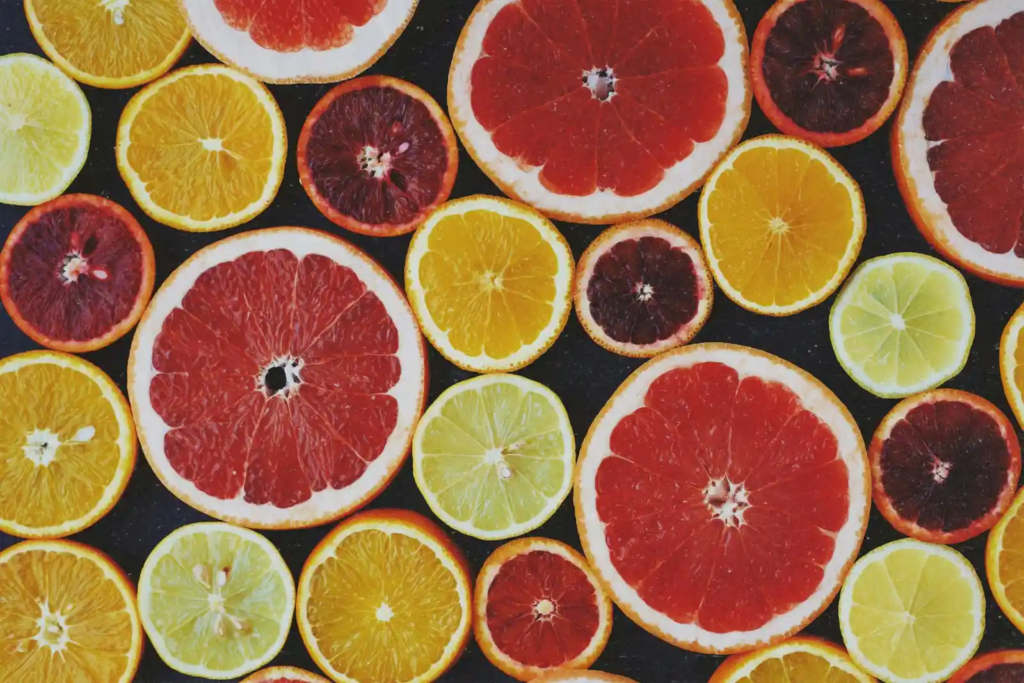
Acid literally makes mouths water. It does the absolutely necessary job of balancing flavors. On its own, acid rarely dominates. Instead, it works quietly, bringing harmony to salty, fatty, sweet, and starchy foods. While we often think of lemons, limes, and oranges as the face of acidity, our refrigerators are full of other acidic treasures: anything fermented — cheese, pickles, beer — also adds that subtle tang.
“Acid isn’t there to shout. It’s there to bring the whole dish into balance.”
🍋 Citrus in Yucatán
In Mexico, acidity is essential. Samin travels to Yucatán, a region bursting with citrus. At the market, stalls overflow with mandarins, pineapples, lemons, gooseberries, and sour oranges. This last one is key for marinating meats, especially turkey.
She shows how acid works through a traditional dish: Pavo en Escabeche.
- Squeeze juice from two limes over turkey to remove odors and tenderize the meat.
- Make recado, a spice mixture of peppermint leaves, black peppercorns, cloves, cinnamon, and garlic. Add sour orange juice to create a highly acidic marinade.
- Marinate turkey for just 5–10 minutes — too long, and the meat toughens.
- Make meatballs with ground pork, capers, and olives.
- Combine marinated turkey, meatballs, water, and fire-roasted peppers in a pot. Simmer for an hour.
- Pickle onions in sour orange juice.
- Serve everything wrapped in corn tortillas. Yum.
Salsas: Brightness on the Side
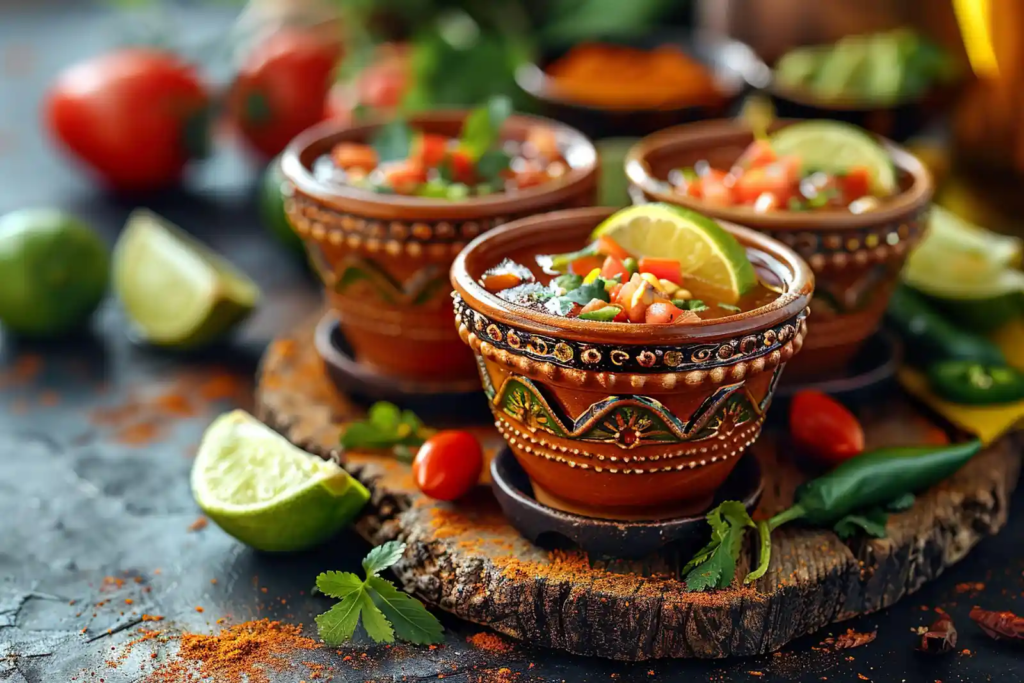
Another way to use acid is as a garnish. In Mexico, no salsa means no meal. Salsas shape the flavor of every bite.
- Naranja Salsa – Orange juice, onion, habanero.
- Yucateco Radish Salsa – Radish, cilantro, sour orange.
- Chiltomate (Roasted Tomato & Habanero Salsa) – Habanero chili, roasted tomato, onion.
Corn Tortillas: The Perfect Foil
Corn tortillas are the soft, steady backdrop that lets acidity shine. They start with nixtamalization — soaking corn in water and lime (the mineral, not the fruit). The soaked corn is milled into masa, then pressed and cooked. While most tortillas are now factory-made, nothing beats a homemade one.
The Acid Scale & Honey in Yucatán
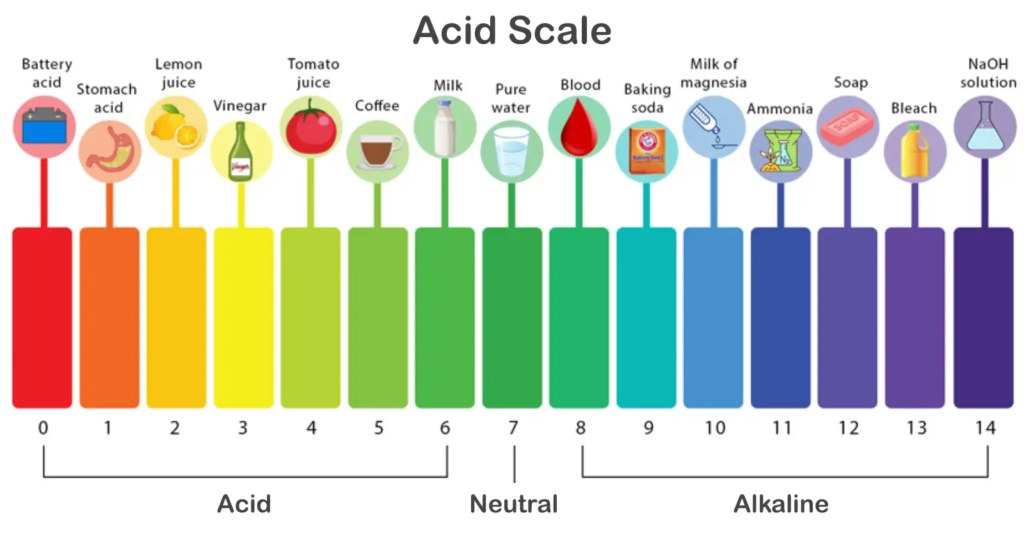
Acidity is measured from 1 to 14, with anything below 7 considered acidic. Lemons measure around 2.4, Valencia oranges at 4, coffee at 5, chocolate at 6, and kale slightly alkaline at 7.2. Surprisingly, honey sits at about 3 — yes, even that sweet treat has a tang.
Samin explores this side of honey in Tixcacaltuyub, Yucatán, tasting the region’s prized acidic honeys. Clear and delicate, they’ve been used since ancient times, even medicinally.
- Melipona Yucatanica – Thin, slightly tangy.
- Scaptotrigona Pectoralis – From tall trees, tangy with a buttery note.
- Cephalotrigona Sexmeniae – Like honey lemonade.
🌟 The Unsung Hero
Acid is never the star, yet without it, food feels flat. It elevates other flavors, keeps the palate awake, and brings balance. In Samin’s home country of Iran, she grew up eating many kinds of tangy foods — from yogurt-based dishes to pickled vegetables, pomegranate, and feta cheese.
It’s an element we may forget about, but when it’s missing, we notice. It’s the quiet hero of the kitchen.
🔗 Explore More
Salt, Fat, Acid, Heat: Mastering the Elements of Good Cooking
The bestselling cookbook that inspired the Netflix series. Samin Nosrat teaches the four essential elements of good cooking through science, storytelling, and beautiful illustrations. ⭐️ 4.8 + 9,800+ reviews
“This book changed the way I understand flavor. It’s not just a cookbook—it’s a food education.” — Verified Amazon Reviewer
🇯🇵 Salt in Japan: Discover how salt shapes flavor and culture.
🇮🇹 Fat in Italy: Learn how richness and texture define Italian cooking.
💛 Some links in this post are Amazon affiliate links. If you choose to purchase through them, you’re supporting this blog—thank you so much for being here.