A sweet journey through Italy’s most beloved desserts, straight from the heart of Nonnas.
Sweet Stories from ‘Nonnas’
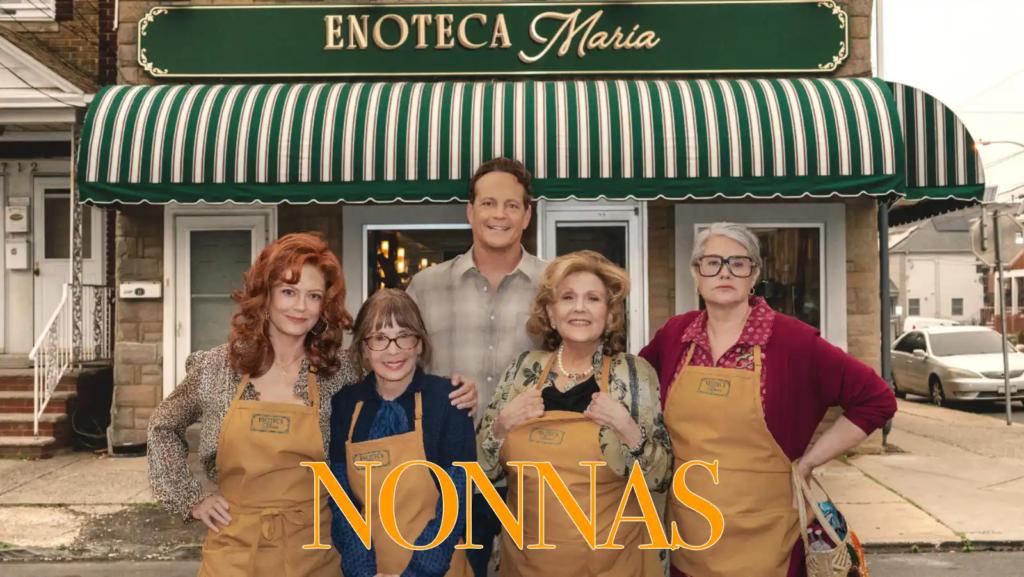
Image Credit: © Netflix – Promotional poster from Nonnas (2025). Used here for review purposes under fair use
Netflix’s Nonnas is more than a food film. It’s a heartfelt portrait of tradition, family, and the legacy of Italian grandmothers. In between stirring sauces and folding pasta, four iconic desserts shine through: tiramisu, cannoli, zeppole, and cassata. These are not just treats; they are memories on a plate. Let’s explore the stories and flavors behind each one.
🇮🇹 Tiramisu – Layers of Love
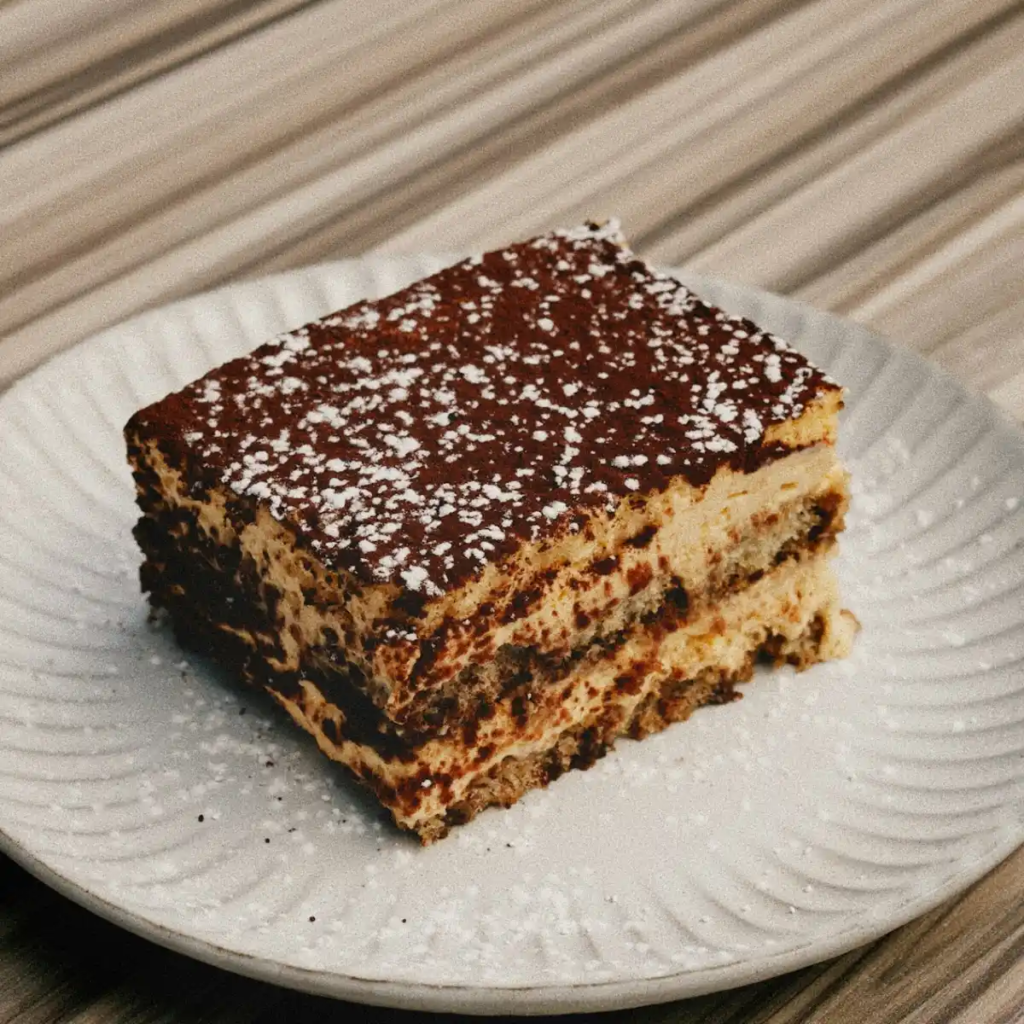
emerged in the 1960s in Treviso, Veneto. Still, it quickly gained international fame for its creamy texture and deep espresso flavor.
This dessert features espresso-soaked ladyfingers layered with mascarpone, whipped egg yolks, and a dusting of cocoa powder. “pick me up”, thanks to its sugar and caffeine combo.
In Nonnas, tiramisu makes an appearance on the restaurant’s opening night. Joe’s longtime friend Bruno and his wife are the only customers. They finish their meal with tiramisu and smile with delight—a quiet moment that proves good dessert needs no words.
- Origin: Treviso, Veneto, 1960s
- Ingredients: Espresso, ladyfingers, mascarpone, egg yolks, cocoa
- Key Feature: Coffee kick with balanced sweetness
- Occasion: Year-round favorite, especially at dinner parties
🇮🇹 Zeppole – Fried for the Saints
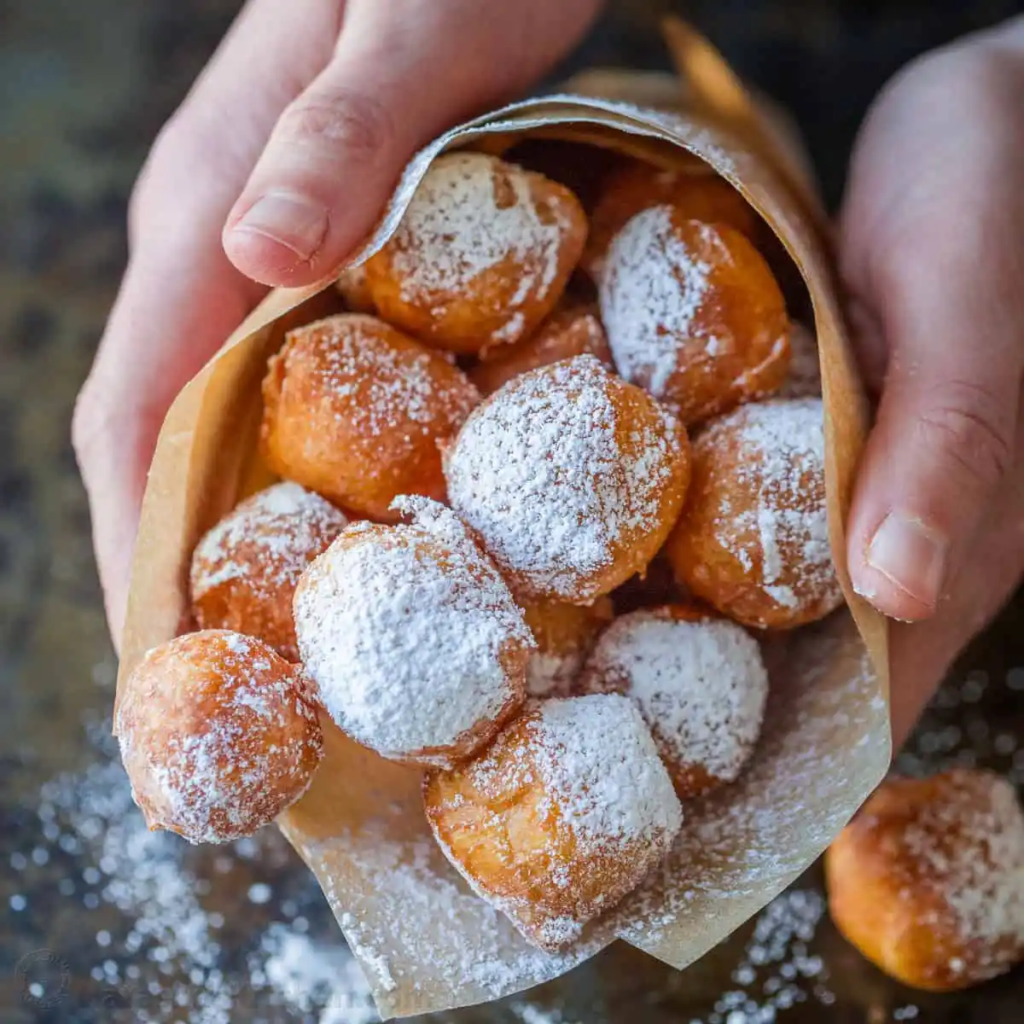
Zeppole are light, golden dough balls that are deep-fried and generously dusted with powdered sugar. They’re crispy on the outside, soft on the inside, and often filled with creamy custard or ricotta.
These treats originated in Naples and are especially popular on St. Joseph’s Day (March 19th)—a day filled with food, faith, and family.
In Nonnas, young Joe visits a bakery, where the clerk hands him a warm zeppola and says, “Be good. Say the rosary.” It’s a tender reminder that in Italian life, dessert and devotion often go hand in hand.
- Origin: Naples, tied to St. Joseph’s Day
- Ingredients: Fried dough, powdered sugar, custard or ricotta
- Key Feature: Crispy outside, airy inside
- Occasion: March 19th (St. Joseph’s Day)
🇮🇹 Cannoli – Sicily’s Iconic Tube
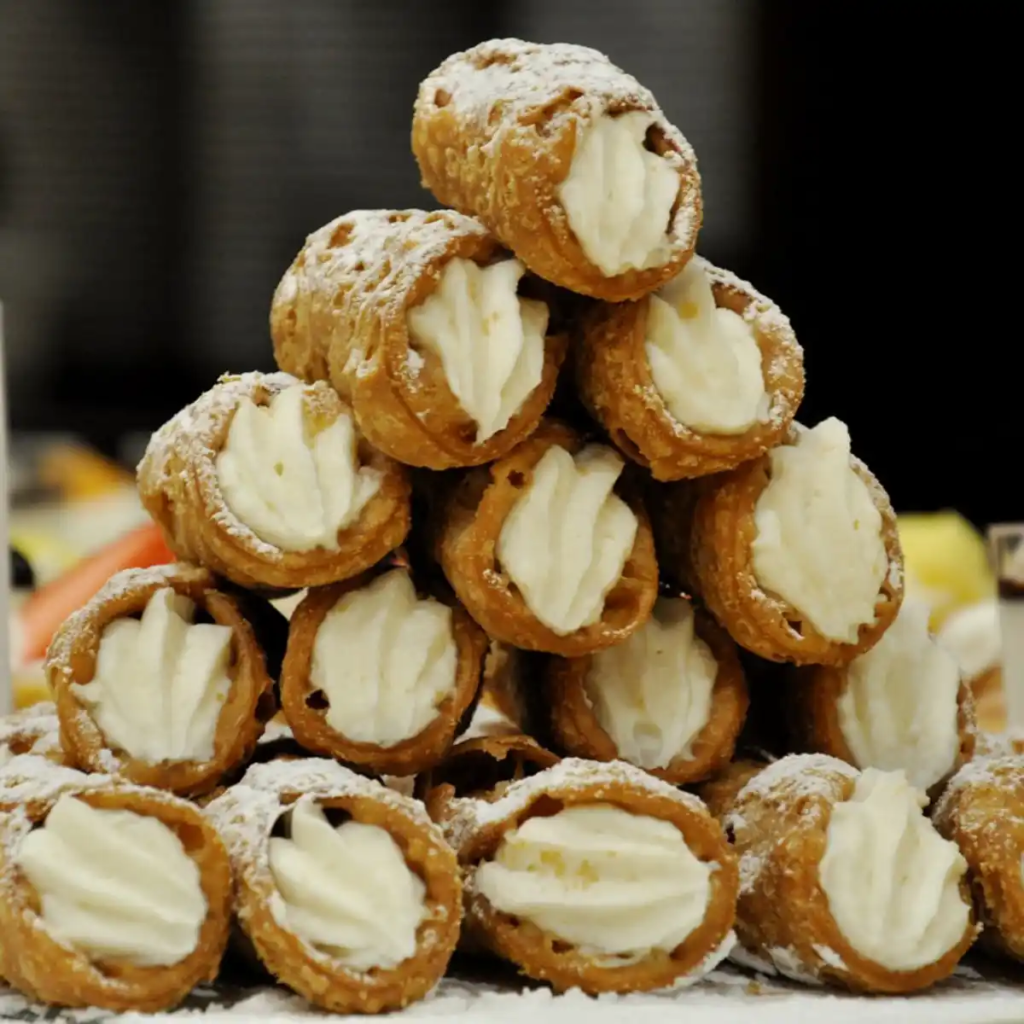
Cannoli might be Sicily’s most iconic dessert. These crispy, tube-shaped shells are filled with sweet ricotta cream and topped with pistachios, chocolate chips, or candied orange peel for extra flair.
They’ve been around since the Middle Ages, influenced by Arab flavors and Sicilian creativity. Each bite blends crunch and cream, tang and sweetness.
In Nonnas, there’s a gentle moment where Gia carefully fills each shell in a restaurant kitchen. She doesn’t speak much—but her hands do. Sometimes, tradition is passed on slowly, one shell at a time.
- Origin: Sicily, Middle Ages, Arab influence
- Ingredients: Fried pastry shell, sweetened ricotta, pistachios, chocolate chips
- Key Feature: Crisp shell and creamy filling with citrus notes
- Occasion: Found in bakeries year-round; popular at celebrations
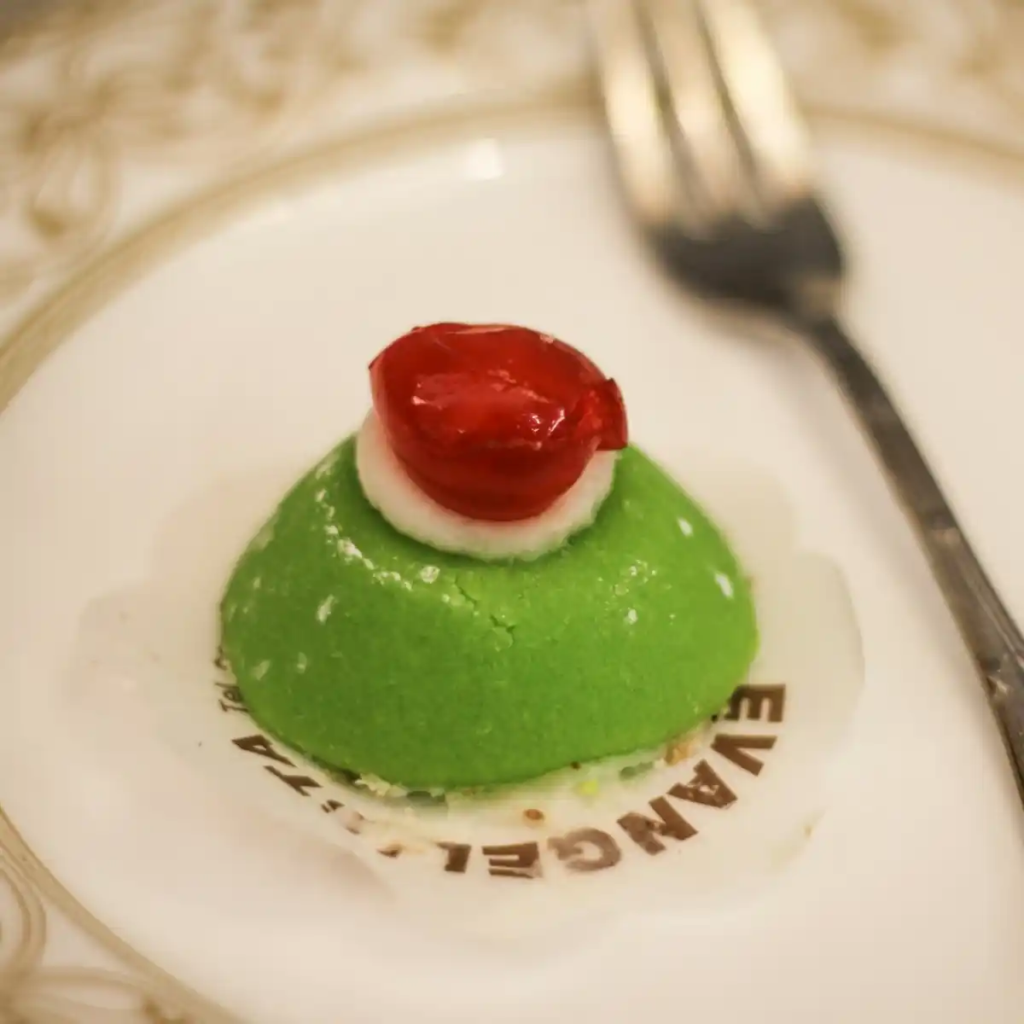
🇮🇹 Cassata – A Cake Fit for Carnival
Cassata is perhaps the most colorful of all. Palermo-born dessert dates back to the 10th century, during Arab rule in Sicily.
It’s a sponge cake layered with sweet ricotta, wrapped in bright marzipan, and topped with candied fruit. The green marzipan has become a symbol of cassata itself, often paired with white ricotta and red candied cherries to reflect the Italian flag’s tricolore—green, white, and red.
In Nonnas, the cassata appears at a moment of grief and love. Joe’s mother has passed away, and her friend Gia brings the dessert to comfort him—offering sweetness in a time of sorrow.
- Origin: Palermo, 10th century, Arab influence
- Ingredients: Sponge cake, ricotta, marzipan, candied fruit
- Key Feature: Vibrant presentation and sweet richness
- Occasion: Easter, weddings, and festive gatherings
Why These Desserts Matter
Each dessert tells a deeper story than its recipe. family traditions, religious meaning, and immigrant memories.
Tiramisu offers modern elegance.
Zeppole bring back festivals and saints.
Cannoli represent Sicilian resilience.
Cassata with its layers, reflects a layered history.
After watching Nonnas, if you found yourself drooling at the sight of those desserts, you’re not alone. Whether it’s tiramisu or cassata, these sweets are dangerously crave-worthy. So go ahead—grab your keys, head to the nearest Italian bakery, and treat yourself.
Because sometimes, the best way to honor tradition… is by taking a big bite.