In Italian, nonna means grandmother. In Netflix’s Nonnas, it becomes a symbol of love, resilience, and shared memory through food.
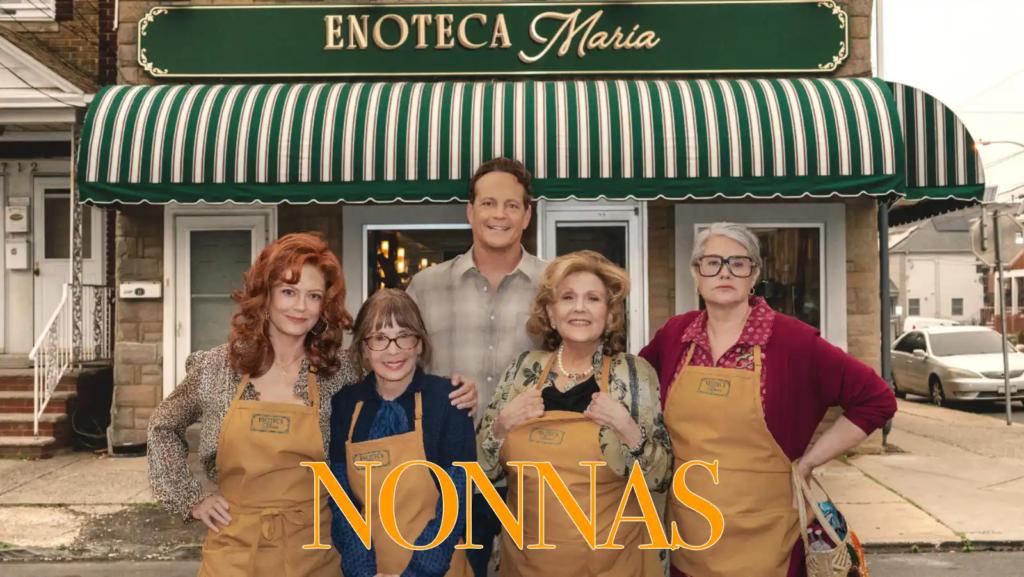
Image Credit: © Netflix – Promotional poster from Nonnas (2025). Used here for review purposes under fair use
🍅 A Taste of the Past
The film opens with young Joe buying zeppole from a neighborhood bakery. His eyes light up at the sight of his mother and grandmother working side by side in the kitchen. These early moments of joy and comfort shape his memories of home.
Years later, after the passing of his mother, Joe finds himself lost and directionless. In an effort to reconnect with what mattered most, he returns to Staten Island, where those memories were made. Eventually, he decides to open a homestyle Italian restaurant inspired by his mother’s Sunday Gravy—and names it Enoteca Maria, in honor of her.
🧑🍳 A Kitchen Full of Nonnas
To bring his vision to life, Joe gathers four incredible women—Roberta, Gia, Antonella, and Teresa—each from a different region of Italy. In one shared kitchen, they cook the food of their childhoods. As a result, their meals offer a rich blend of flavors and stories. Over time, as they settle into their roles, Joe finds a reconnection with heritage and healing.
At Enoteca Maria, the beauty lies not just in the meals. Rather, it’s in how these grandmothers cook side by side—offering a living map of Italian cuisine, all under one roof.
For instance, dishes from Sicily and Bologna reflect distinct regions of Italy. Yet when served together, they become something much bigger than the sum of their recipes.
🍽 More Than a Meal
Naturally, the journey has its hurdles. To begin with, delays, inspections, and empty seats test Joe’s resolve. Nevertheless, during a final farewell dinner, his sincerity draws in the right people. As a result, a glowing review follows, transforming his tribute into a thriving community space.
Meanwhile, food becomes the emotional thread tying it all together. For example, dishes like Sunday Gravy, Zeppole, and Cassata aren’t just meals—they carry memory and meaning. When Joe brings zeppole to Bruno, it’s not just dessert—it’s reconciliation. Ultimately, food comforts, heals, and brings people closer.
🍝 Featured Dishes
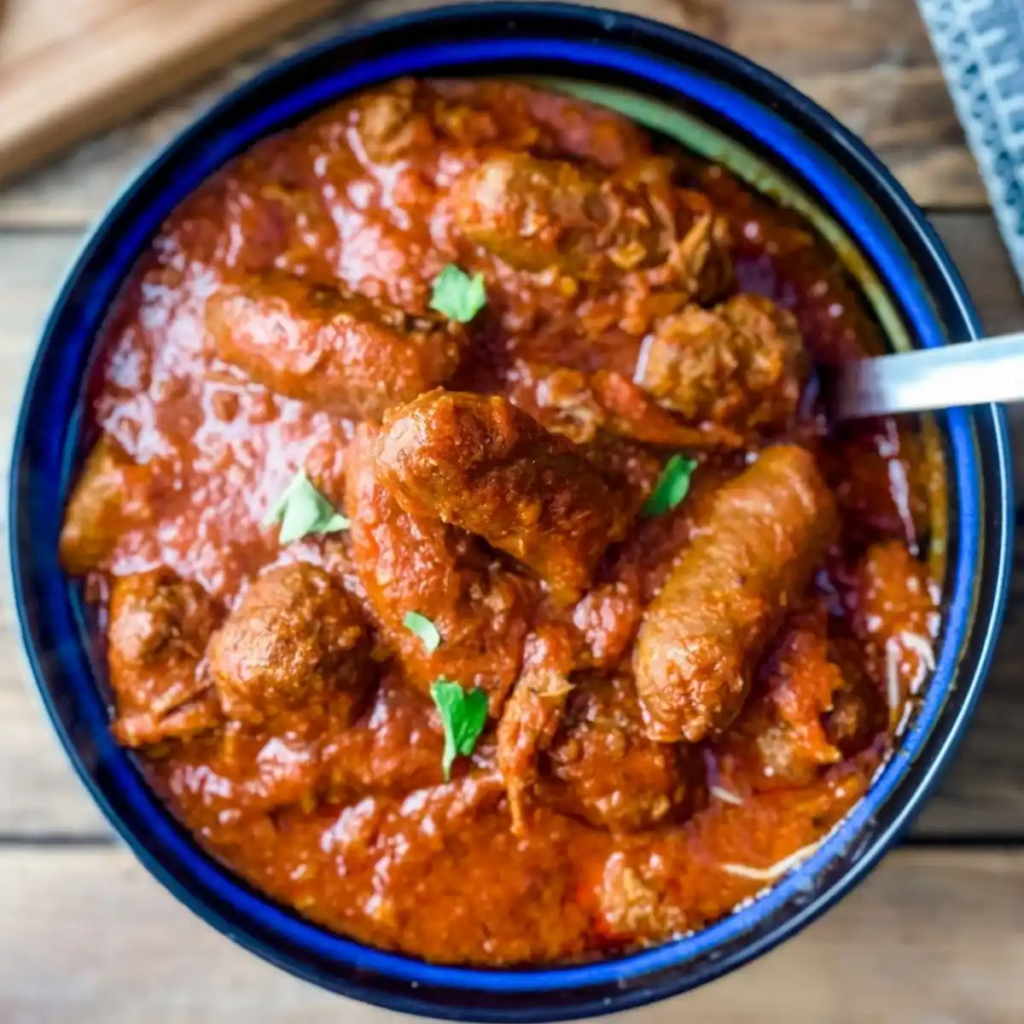
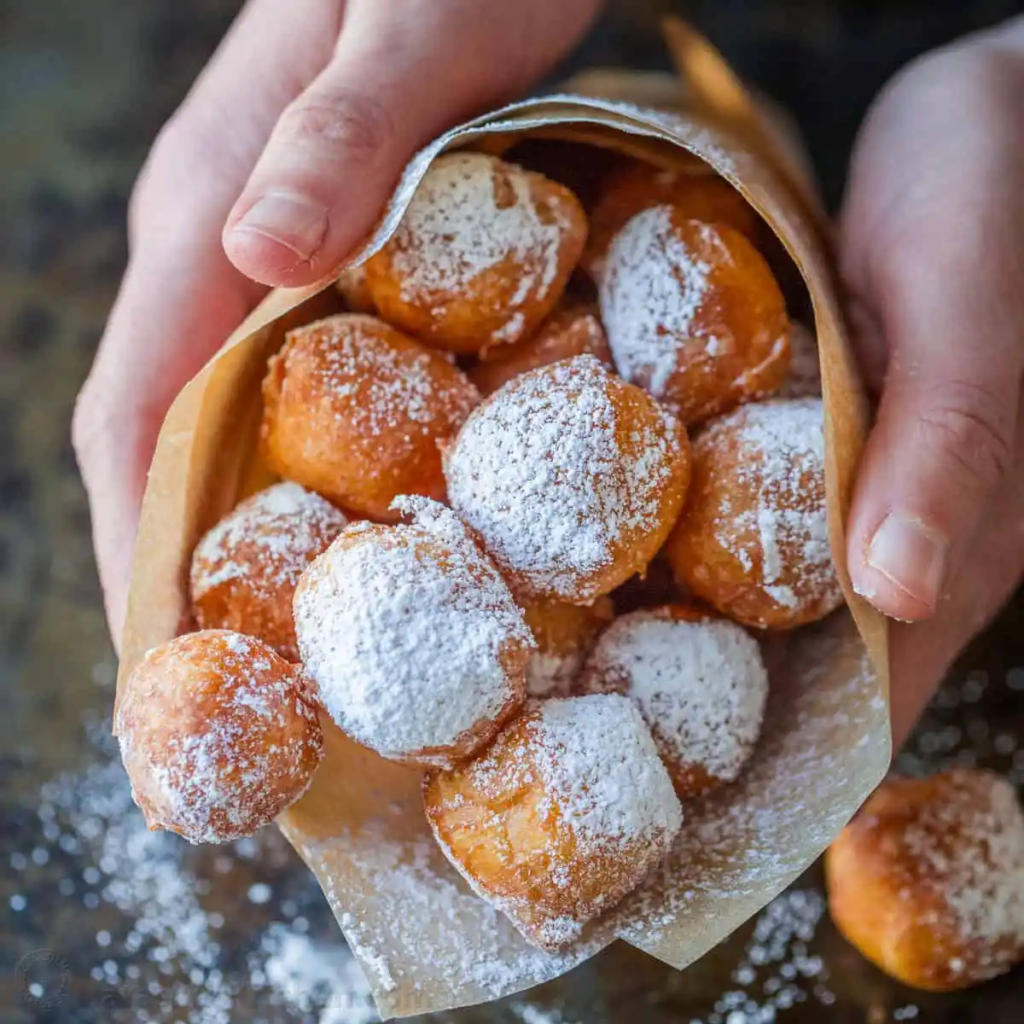
Here are just a few dishes that appear in the film:
- Sunday Gravy: A rich, slow-cooked tomato and meat sauce passed down from Joe’s mother. It’s the emotional core of the film.
- Zeppole: Light, fried dough balls often topped with powdered sugar—symbolizing celebration and warmth.
- Stuffed Shells: Pasta shells filled with cheese and sauce, offered as a gesture of comfort and community.
- Cassata: A Sicilian layered dessert made with ricotta, sponge cake, and candied fruit—brought by Gia to Joe after his mother’s funeral, offering a quiet gesture of comfort.
- Cannoli: A sweet Sicilian dessert filled with ricotta cream—served at a moment of peace and emotional closure.
- Oxtail Stew: A hearty, slow-cooked dish made by Roberta during the head chef selection—a bold statement of tradition and culinary skill.
- Capuzzelle: A bold dish made with sheep’s head, representing deep-rooted tradition and cultural pride.
- Tiramisu: A layered Italian dessert made with coffee-soaked ladyfingers and mascarpone—enjoyed in the restaurant as a sweet moment of pause.
- Limoncello: A bright, citrusy Italian liqueur—shared among the nonnas at the hair salon, helping them bond and open up to one another.
- Polpette: Classic Italian meatballs made from beef and herbs—prepared by Joe for his coworkers after the funeral, as a gesture of gratitude and shared mourning.
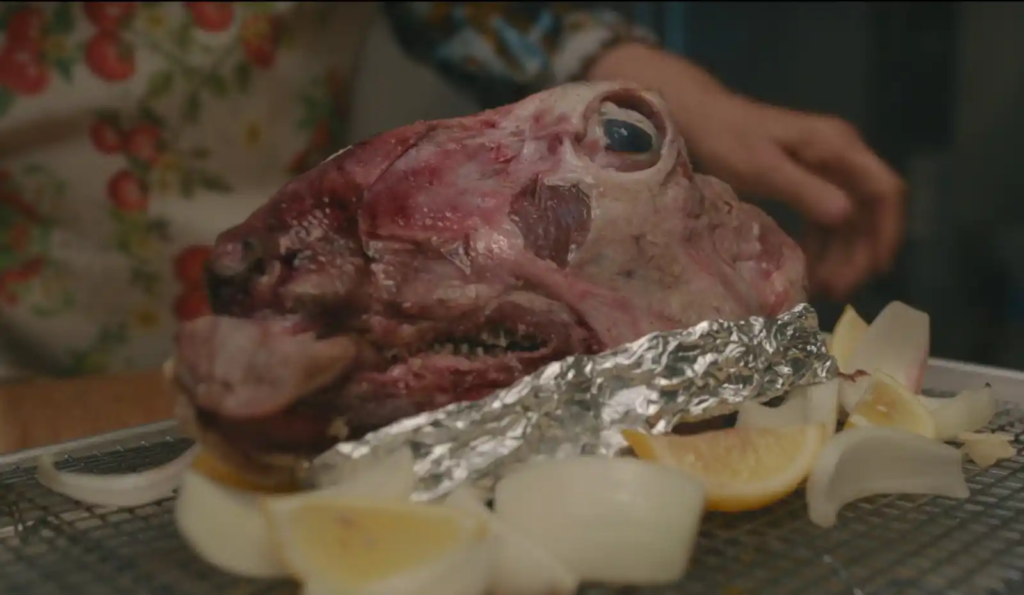
Image Credit: © Netflix – Promotional poster from Nonnas (2025). Used here for review purposes under fair use.
Each dish tells a story—anchored in history, shaped by region, and flavored by memory.
Inspired by the real-life Enoteca Maria, Nonnas beautifully imagines what happens when generations meet at the dinner table. In particular, the film adds fiction to reality while still keeping its heartfelt spirit intact. In the end, it’s funny, touching, and sure to leave you craving Sunday Gravy—or perhaps even your own kitchen apron.
⏭ What’s Next?
Of course, there’s so much more to say about the dishes in this film—their history, recipes, and cultural roots. But for now, let’s save that for next time.
In the next post, we’ll explore the origins and recipes of key dishes from the film—like Sunday Gravy and Italian desserts(Cannoli, Zeppole, and Tiramisu).