While watching Stanley Tucci’s Searching for Italy episode in Puglia, one little detail stuck with me—a restaurant called Antichi Sapori, which translates to Ancient Flavors.
It wasn’t just a name. The ingredients Tucci enjoyed—fresh pasta made from local wheat, wild greens, garden vegetables—were truly ancient in the best way: honest, traditional, and deeply rooted in the land.
📺 Inspired by Stanley Tucci’s journey? Watch the Puglia episode that brought “Antichi Sapori” to life.
That got me thinking.
A friend of mine recently started a meal plan full of grains I’d barely heard of—farro, chia, quinoa, amaranth, millet, teff. At first, I was skeptical. Weren’t grains “bad” for weight loss?
But the truth is, it’s not about avoiding carbs. It’s about choosing the right ones.

💪 Why You Shouldn’t Fear Carbs—Especially the Right Kind
Somewhere along the way, carbs became the enemy. They were blamed for everything—from belly fat to bloating, from brain fog to weight gain.
But let’s get something straight:
Your body needs carbohydrates. They’re not optional—they’re essential.
Carbs fuel your brain, keep your metabolism running, and help your gut stay regular. When you cut them out completely, you might lose weight at first—but you also lose balance.
I’ve seen friends crash on low-carb diets: tired, moody, always hungry. And I’ve been there too—eating “clean” but feeling anything but healthy.
The solution? It’s not no carbs. It’s better carbs.
🌾 Enter: Ancient Grains
Ancient grains are grains that have remained largely unchanged for thousands of years—no heavy breeding, no modern modifications. They’re nutrient-dense, high in fiber and protein, and often easier to digest than modern wheat.
Unlike refined white rice or processed bread, ancient grains give your body what it actually needs:
- ✅ Slow-releasing energy — Ancient grains like Kamut and Teff have a lower glycemic index, offering sustained energy without sugar crashes [1][2][6].
- ✅ Natural fiber — Whole grains like millet and barley are rich in fiber, which supports digestion and helps reduce bloating [3][4].
- ✅ Whole-food nutrition — Many ancient grains contain protein, B vitamins, magnesium, zinc, and even antioxidants [1][5].
- ✅ Real satiety — The combination of fiber and protein helps you feel full longer and avoid sugar cravings [3][4].
These grains have survived for thousands of years, not because they were trendy—but because they work.
Ancient grains aren’t just allowed in a healthy diet.
They’re exactly what a healthy diet looks like.
Some of the most popular ancient grains include:
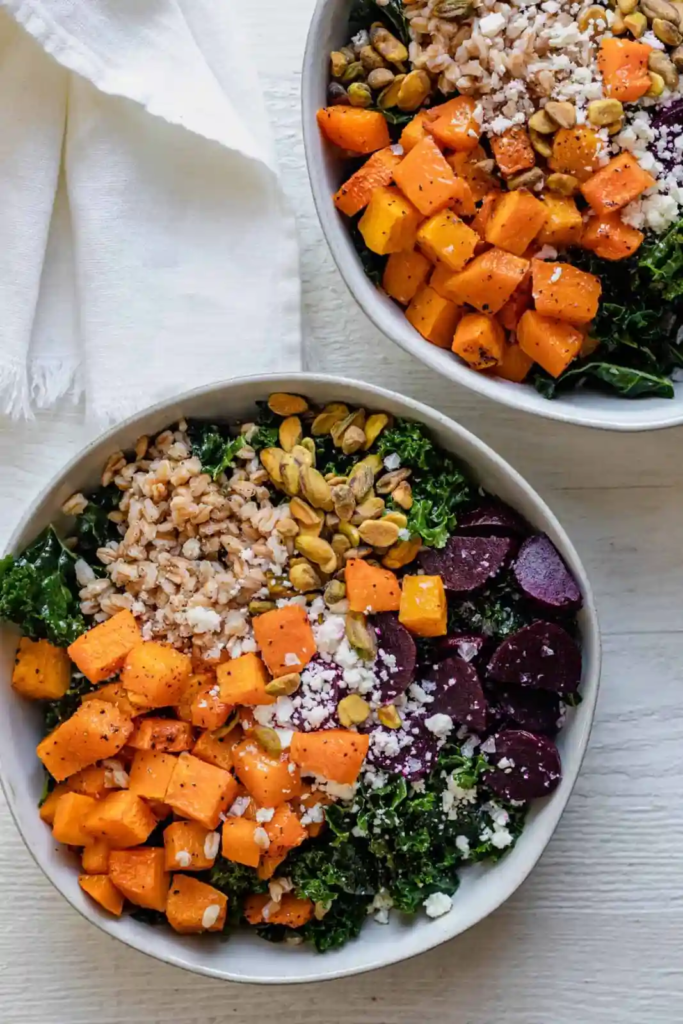
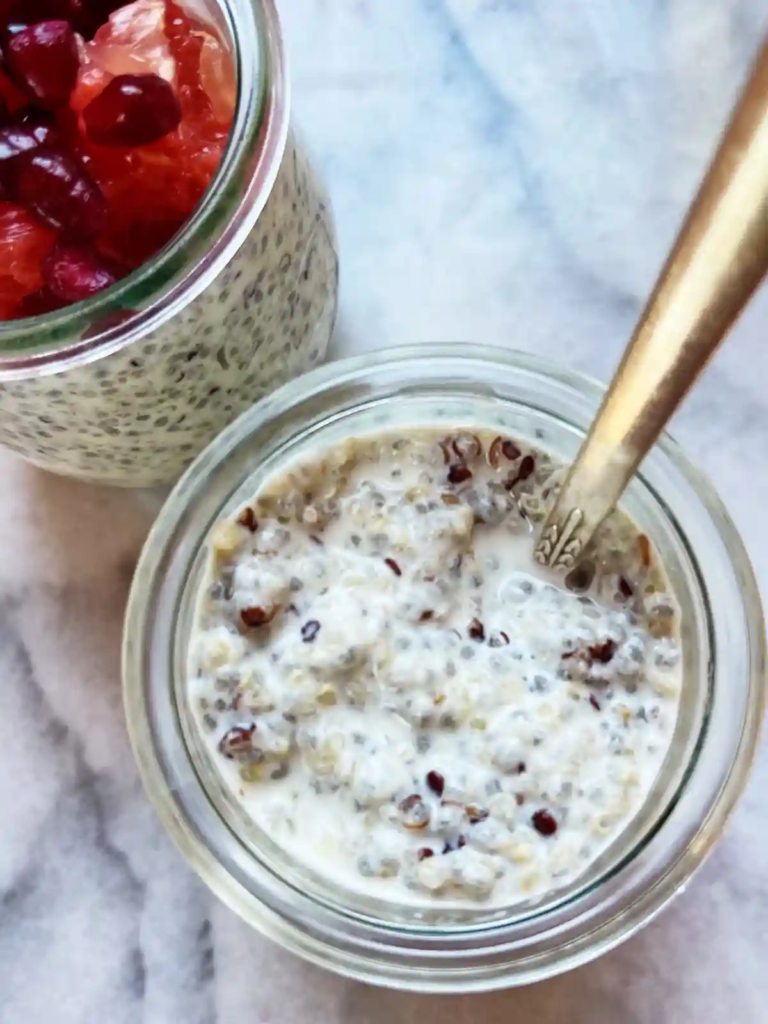
Farro, Kamut®, Teff, Millet, Sorghum, Quinoa, Amaranth, Chia, Einkorn, and Emmer.
📺 Inspired by Stanley Tucci’s journey? Watch the Puglia episode that brought “Antichi Sapori” to life.
📌 Stay tuned for Part 2, Ancient Grains, Morden Health – How I actually use them and how they fit into everyday life.
📚 References
- Healthline. What Are Ancient Grains?
- PMC. Glycemic index and glycemic load of injera.
- Frontiers in Sustainable Food Systems. Millets and Satiety.
- ScienceDirect. Whole grains and satiety.
- Melissa’s Healthy Living. Grain Goodness.
- GoodRx. Ancient Grains and Blood Sugar.
⚠️ This blog is for informational purposes only and not intended as medical advice. Please consult a healthcare provider before making changes to your diet or trying new supplements. The author is not responsible for any outcomes resulting from misuse or misinterpretation of the information provided.