A Short History of Pasta – Part 2
Where Pasta Really Travels
In Part 1, we explored the ancient roots of pasta—from Etruscan tombs to Arab innovations in Sicily.
Now, in Part 2, we pick up the story where we left off.
How did pasta go from a regional Italian staple to a global culinary icon?
The answer involves industrial machines, transatlantic migration, and yes—a lot of red sauce.
Machines That Changed the Meal

By the 19th century, pasta production was no longer just a matter of hands and rolling pins. Industrialization introduced mechanical presses and dryers, particularly in Naples and Genoa. These factories enabled mass production and standardization of pasta shapes. Brands like Barilla began in this era, setting the stage for pasta’s shelf-stable future.
The Immigrant’s Comfort Food
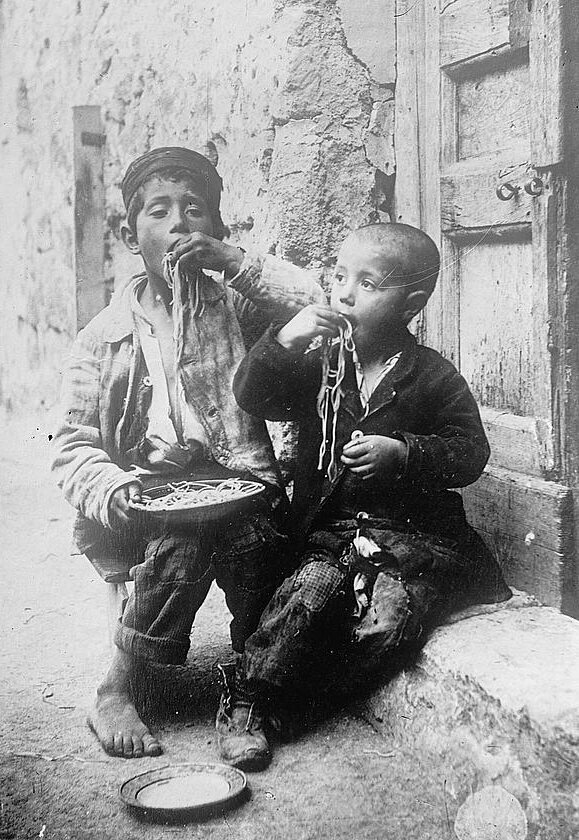
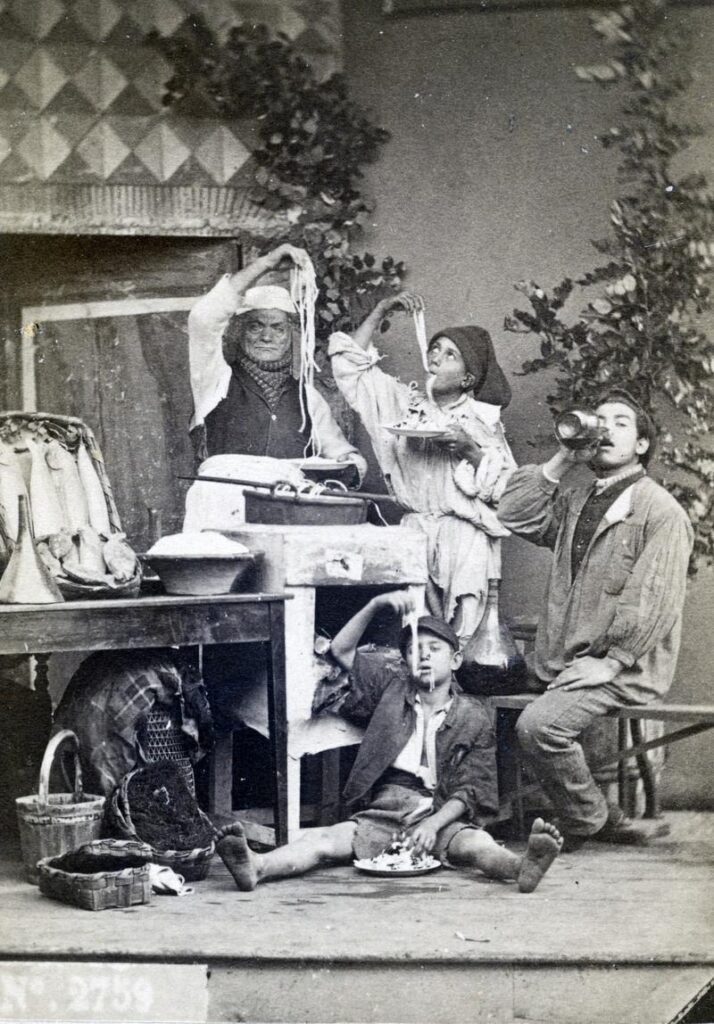
Waves of Italian immigrants in the late 19th and early 20th centuries brought pasta to the United States, Argentina, and beyond.
In New York and Buenos Aires, pasta became a nostalgic food that connected families to their homeland.
Dishes evolved—spaghetti with tomato sauce became a staple, and meatballs entered the picture as a nod to the meat-rich New World diet.
From Survival to Symbol

During World War II, canned pasta made its way into military rations.
By the mid-20th century, pasta had gone mainstream—even outside Italian communities.
Today, it’s on dinner tables from Tokyo to Toronto, often reinvented with local ingredients and flavors.
Today, over 16 million tons of pasta are consumed globally every year.
Italy still leads in per capita pasta consumption (about 23 kg per person annually), but countries like the United States, Brazil, and Germany also rank among the top consumers.
Once a humble regional food, pasta is now a global staple loved across continents.
Summary: How Pasta Conquered the World
- From hand-rolled sheets to factory-made strands, pasta adapted to every era.
- It crossed oceans in the suitcases of immigrants and settled in homes across the globe.
- Wartime rations and pop culture made it mainstream—far beyond Italy.
- Today, pasta is more than food. It’s comfort. It’s culture. And it’s still evolving.
What Came Before?
👉 Read Part 1: The Ancient Origins of Pasta
From Etruscan tombs to Arab innovations in Sicily, Part 1 traces how pasta began—before the sauce, before the stars.
References
- Encyclopedia of Pasta, Oretta Zanini De Vita (book)
- Made in Italy: A History of Italian Food, Alberto Capatti & Massimo Montanari (book)
- Smithsonian Magazine – How Pasta Became Popular in America
- Barilla Group History – barillagroup.com
- TasteAtlas – History of Pasta
- International Pasta Organisation
- Oxfam Italy
- Statista (2024)