“The Rice Kingdom” traces the vital link between South Carolina’s Lowcountry, African rice-growing traditions, and the enduring legacy of the Gullah Geechee people.
🌍 Where the Story Begins
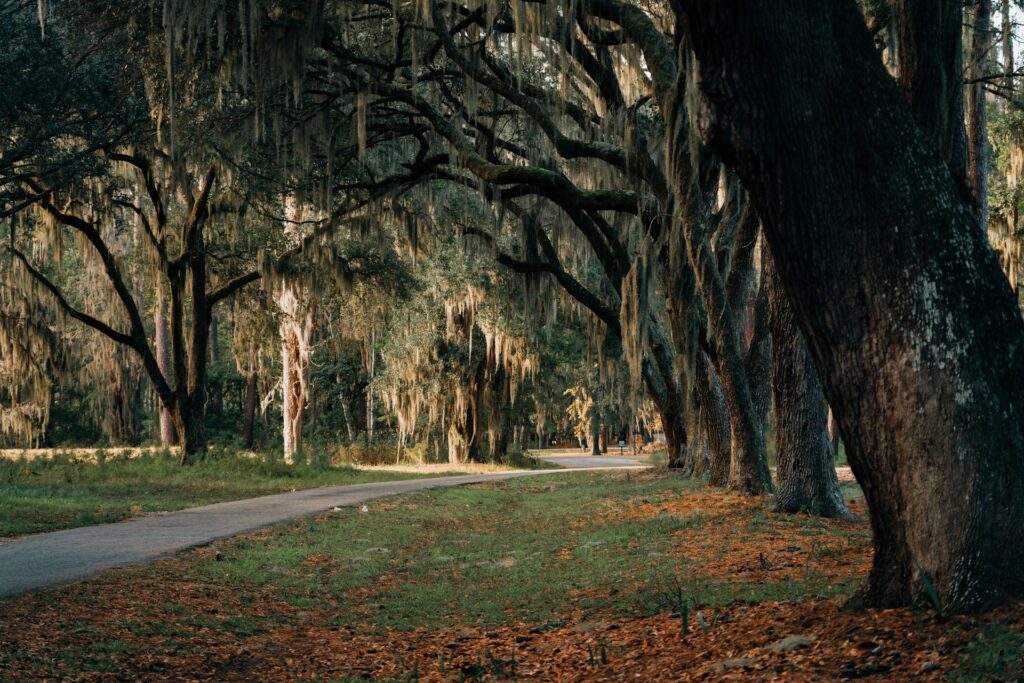
In the lush Lowcountry of South Carolina, where marshlands meet ocean tides, Episode 2 unfolds the story of how enslaved West Africans brought with them not just bodies but knowledge—especially the expertise to cultivate rice. This knowledge would shape the agricultural backbone of colonial America and the cuisine of the American South.
The episode follows food writer Stephen Satterfield as he explores this region’s deep connection to rice, from the creeks of Charleston to the rice fields of Georgetown. Along the way, we meet scholars, farmers, and chefs preserving the traditions of the Gullah Geechee people—descendants of West Africans who maintained distinct cultural practices across centuries.
Here, food is history—carolina gold rice, okra, benne seeds, and field peas aren’t just ingredients; they’re vessels of memory.
🔁 Why South Carolina Still Matters
As culinary historian Michael W. Twitty shares in the episode:
“We are not just talking about food. We’re talking about survival. We’re talking about resilience.”
(High on the Hog, S1E2)


The Gullah Geechee culture—stretching along the southeastern coast from North Carolina to Florida—remains one of the most intact African diasporic cultures in the U.S. Their language, foodways, and community life reflect African retention and adaptation through centuries of oppression.
In the rice fields, the episode reveals how knowledge systems from Sierra Leone and other West African regions were instrumental in building America’s rice empire. Today, local chefs and cultural stewards are working to reclaim those legacies—not just for preservation, but for empowerment.
🍛 From South Carolina to the American Table
Carolina Gold rice, once the foundation of South Carolina’s plantation wealth, is making a comeback—thanks to chefs and growers who understand its cultural and culinary worth.

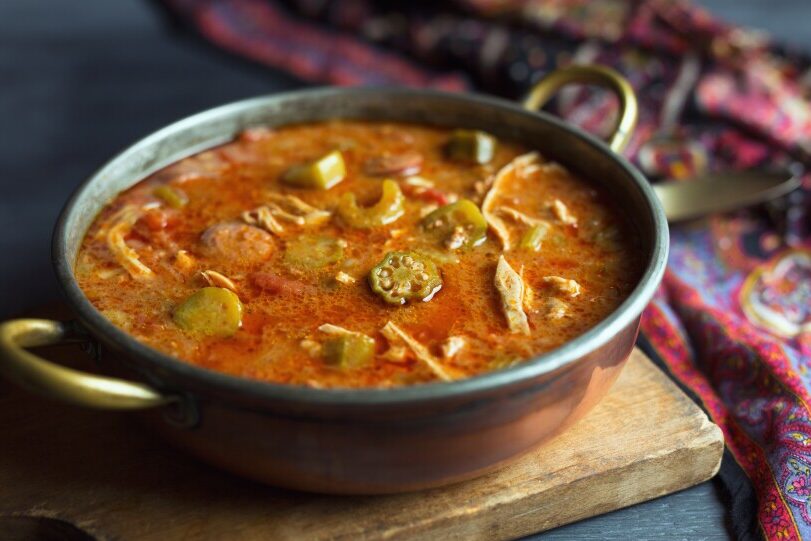

- Hoppin’ John: A Lowcountry dish made with rice and field peas (often black-eyed or red cowpeas). Once a humble New Year’s dish, it now appears on modern menus nationwide.
- Okra Soup: A Gullah Geechee staple, this hearty stew links directly to West African gumbo traditions. Today, it’s a symbol of cultural continuity.
- Benne Wafers: Made from sesame seeds brought from Africa, these sweet-savory cookies now represent Charleston’s culinary charm. They also reflect deep African roots.
✈️ Culinary Spots & Cultural Sites in South Carolina
- Hannibal’s Kitchen (Charleston, SC)
Known for authentic Gullah cuisine — including crab rice and okra soup. Featured in the episode. - Gullah Geechee Cultural Heritage Corridor (Charleston to Jacksonville, FL)
A federally recognized cultural corridor celebrating Gullah Geechee culture. - Geechee Gullah Ring Shouters (St. Helena Island, SC)
Keeping alive sacred traditions of rhythm, movement, and storytelling. - Daufuskie Island (Daufuskie Island, SC)
A historically Gullah Geechee community accessible only by boat, where Stephen explores ancestral traditions and foodways.
🍽️ Explore All of the Culinary History in High on the Hog – Season 1
📍 Episode 1 – Benin: Where the Story of African American Cuisine Begins
📍 Episode 2 – South Carolina: The Rice Kingdom (You’re reading it)
📍 Episode 3 – Virginia: African American Chefs and the Birth of Fine Dining
📍 Episode 4 – Texas: Juneteenth and African American Barbecue Traditions