Inspired by the Netflix documentary series High on the Hog, Season 1, Episode 1: “Our Roots”—exploring the origins of African American cuisine in Benin, West Africa.
🌍 Where the Story Begins
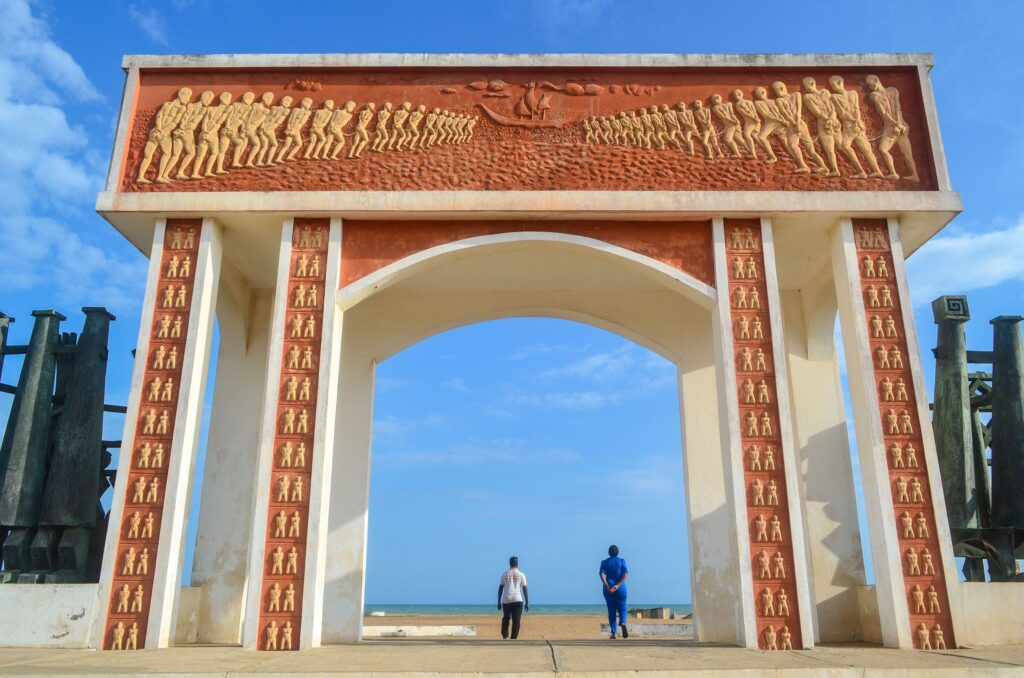
In High on the Hog, the journey starts in Benin—once a hub of the transatlantic slave trade and now a place of cultural memory. Host Stephen Satterfield walks through Ouidah’s Road of No Return and speaks with local chefs, historians, and spiritual leaders.
The episode sheds light on how many staples of African American cuisine—yam, okra, black-eyed peas, rice, and palm oil—trace their origins back to West Africa.
Through food, ritual, and remembrance, the episode connects the past to the present, honoring those who were taken and the culinary traditions that endured.
🔁 Why Benin Still Matters
Benin is not just a backdrop—it is an anchor. The flavors and customs that survived the Middle Passage remind us that African American food is African food with a history of forced migration and resilience.
“When we talk about soul food, we’re talking about survival food—adapted across centuries, but rooted in this soil.”
— Dr. Jessica B. Harris, High on the Hog, Season 1, Episode 1
Food historian Dr. Jessica B. Harris reminds us that tracing culinary lineage is an act of reclamation. It restores pride and awareness to a people whose food shaped America.
🍛 From Benin to the American Table
This episode highlights West African ingredients that became foundational in Southern and African American cooking:
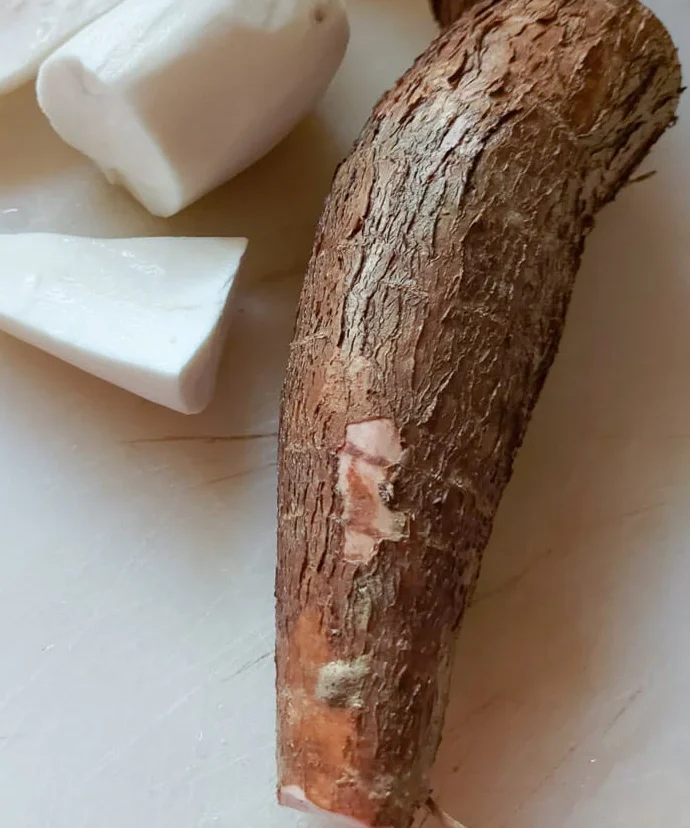
- Yam & Cassava — complex carbs that fueled generations
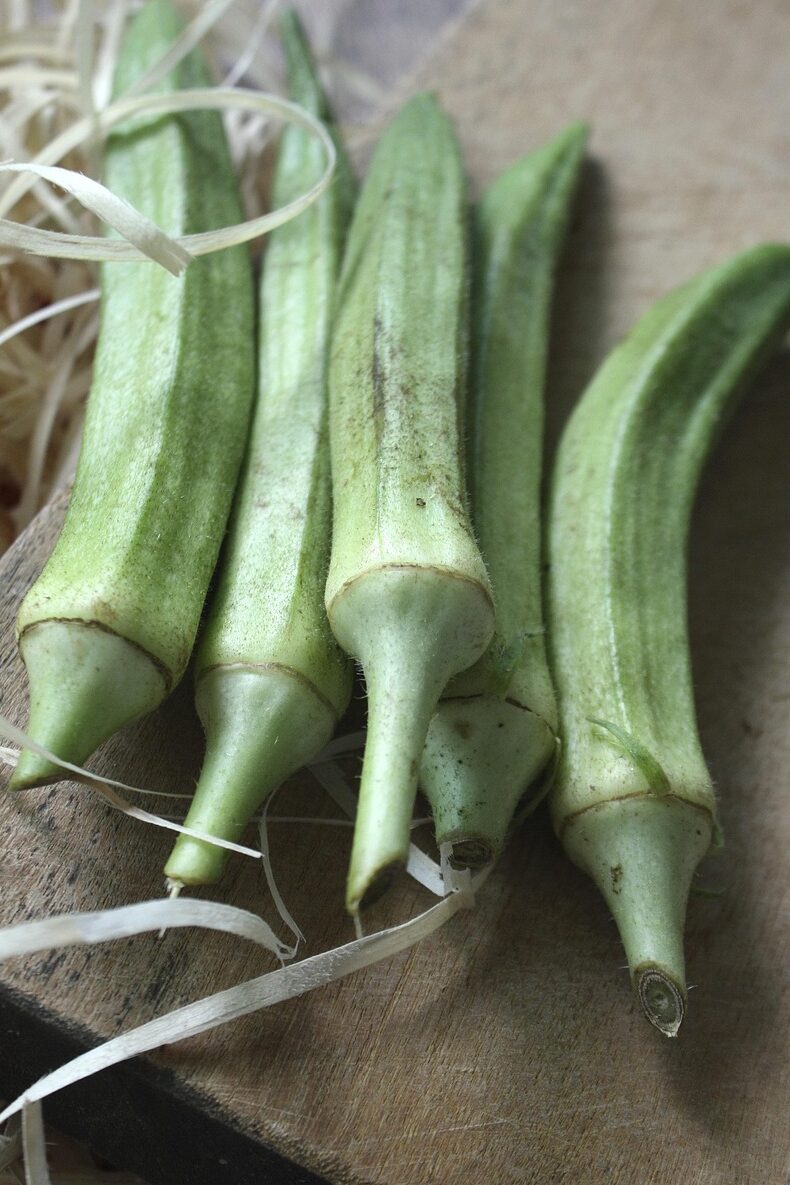
- Okra — now a key ingredient in gumbo and stews
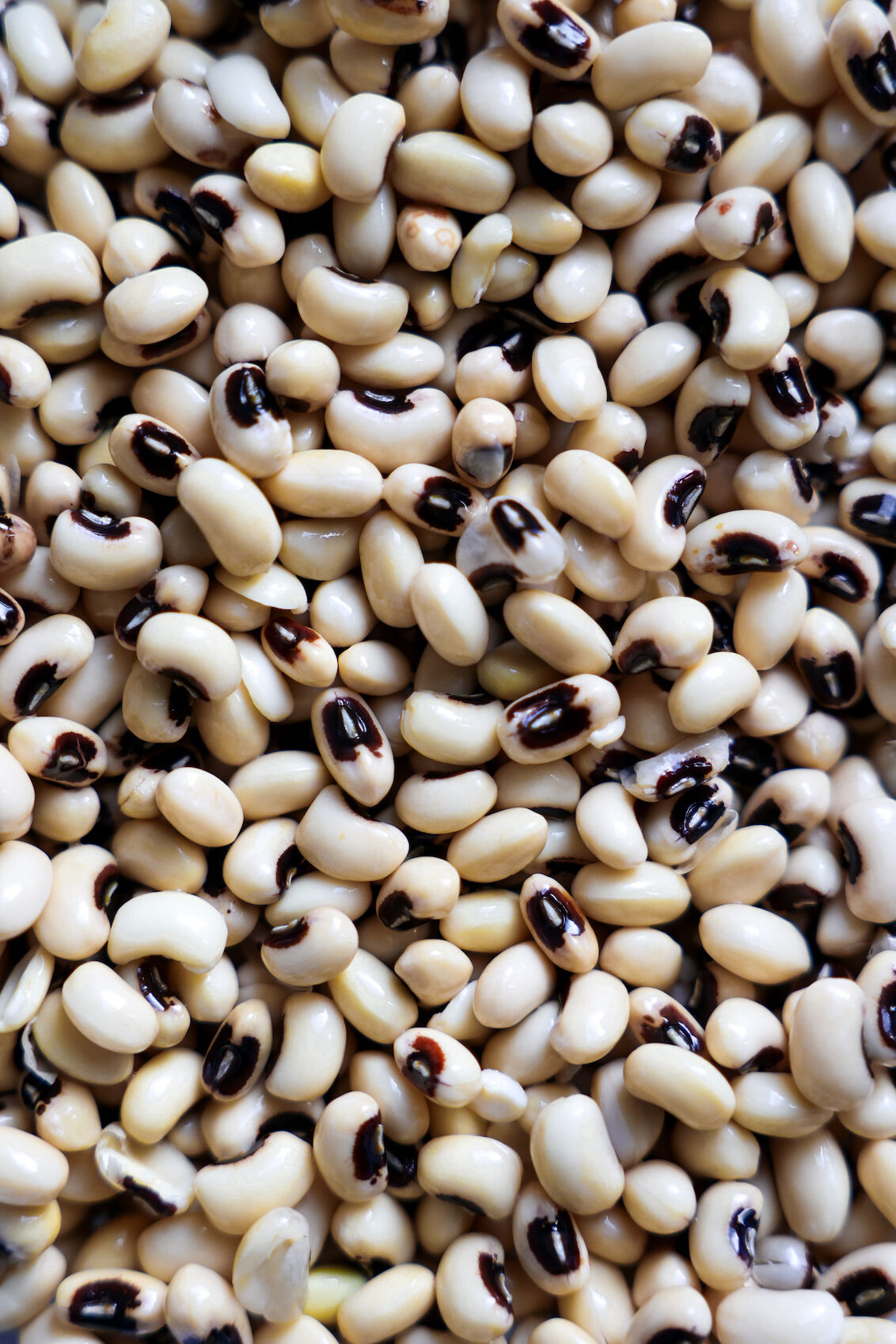
- Black-eyed peas & rice — the roots of dishes like Hoppin’ John
- Palm oil — vibrant, earthy flavor used in many West African dishes
Beninese chef Sedjro Ahouansou shares how these ingredients are still honored in local cuisine today. He also explains how enslaved people carried culinary knowledge across the Atlantic.
✈️ Culinary Spots & Cultural Sites in Benin
Here are the restaurants and locations featured in High on the Hog, Season 1, Episode 1 — places where food, culture, and memory converge:
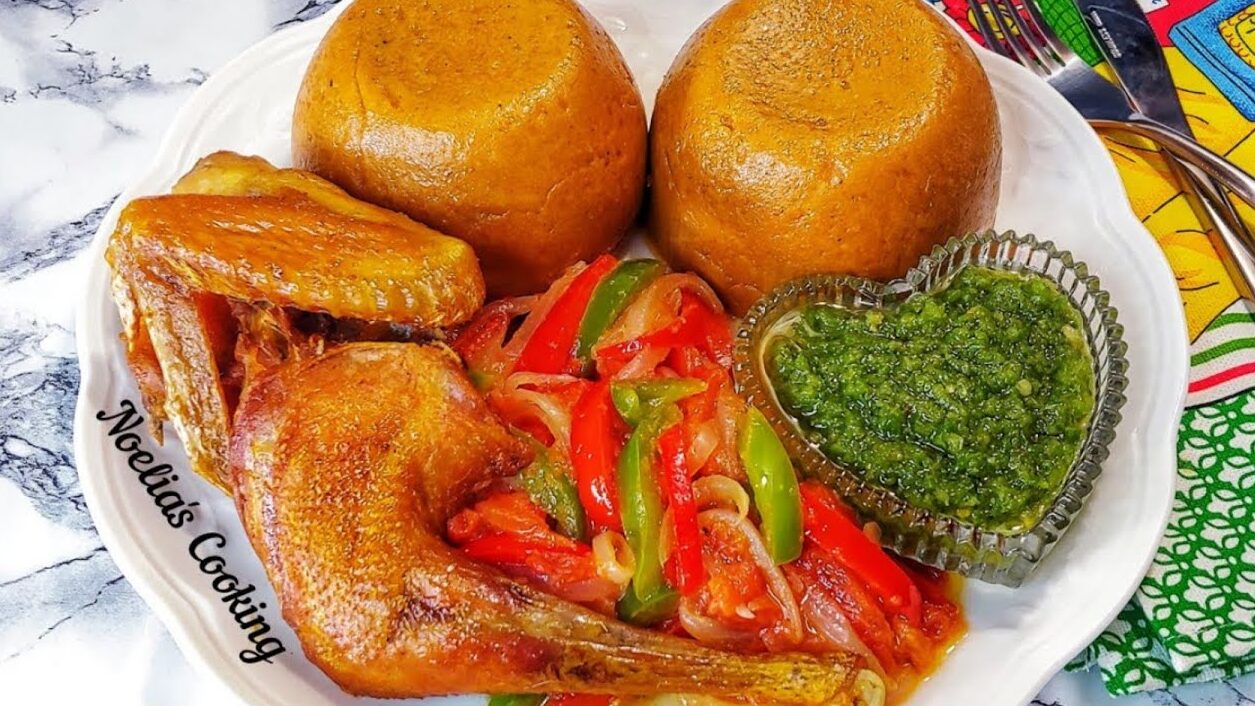
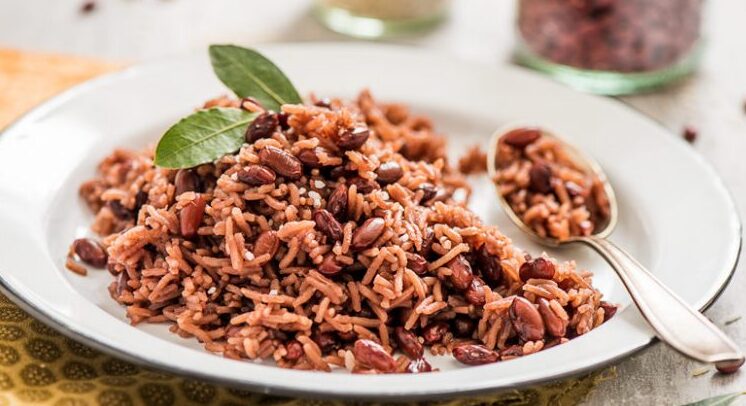
- Saveurs du Bénin (Cotonou, Benin) — Chef Valérie Vinakpon serves refined presentations of traditional Beninese cuisine, like yam salad with spicy tomato sauce and vegetables.
- Chill n’ Grill (Cotonou, Benin) — This modern eatery is run by Chef Sedjro Ahouansou. It offers creative reinterpretations of local classics, such as piron reimagined as a mousse and an updated version of atassi.
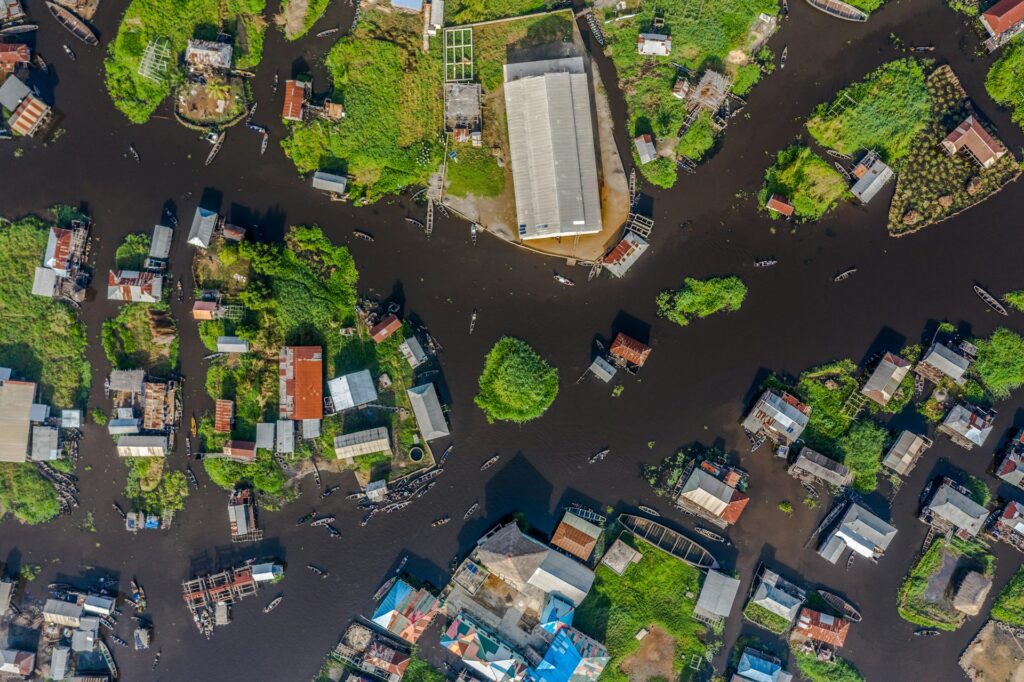
- Ganvie (Lake Nokoué, near Cotonou) — Known as “the Venice of Africa,” this floating village is where Stephen enjoys a local lunch of grilled fish and cassava. The meal highlights the connection between water-based trade and ancestral food traditions.
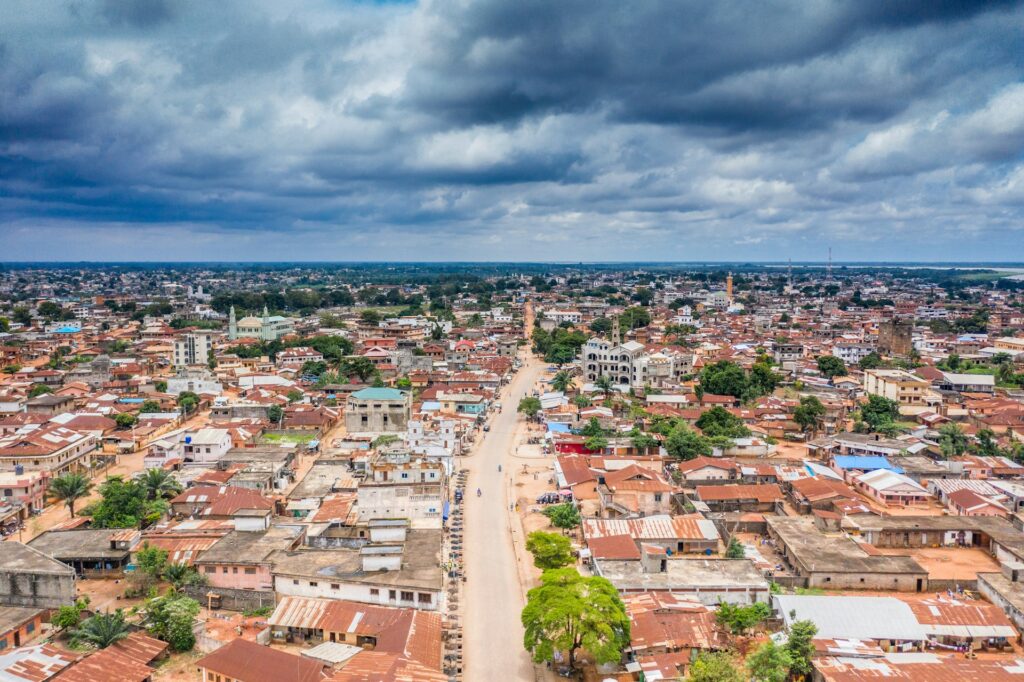
- Porto-Novo Market (Porto-Novo, Benin) — It’s a bustling center for ingredients like dried fish, peppers, rice, and palm oil. These are core components that crossed the Atlantic and became staples in African American cuisine.
- Ouidah’s Door of No Return (Ouidah, Benin) — Though not a culinary site, this memorial serves as a powerful backdrop. It helps us understand the emotional and historical roots of African food traditions.
🍽️ Explore All of the Culinary History in High on the Hog – Season 1
📍 Episode 1 – Benin: Where the Story of African American Cuisine Begins (You’re reading it)
📍 Episode 2 – South Carolina: The Rice Kingdom
📍 Episode 3 – Virginia: African American Chefs and the Birth of Fine Dining
📍 Episode 4 – Texas: Juneteenth and African American Barbecue Traditions