Baking soda = pure sodium bicarbonate; best with acidic batters and boosts browning. Baking powder = soda + acids + starch; usually double‑acting for steady rise in neutral batters.

What They Are
- Baking Soda: 100% sodium bicarbonate. Reacts fast with acidic ingredients (lemon juice, buttermilk, yogurt, brown sugar/molasses, natural cocoa). Raises pH, which boosts browning and flavor.
- Baking Powder: A blend of baking soda, one or more acids, and starch (to keep it dry). Double‑acting powders release CO₂ twice for a taller, more even crumb.
Side‑by‑Side Comparison
| Feature | Baking Soda | Baking Powder |
|---|---|---|
| Composition | Sodium bicarbonate | Soda + acids + starch |
| What it needs | Acidic ingredients | Works even with low acidity |
| Rise pattern | Immediate | Double‑acting (mix + bake) |
| Flavor/Color (pH) | Raises pH → stronger Maillard browning; overuse = soapy/metallic | Near‑neutral pH → clean flavor; consistent crumb/structure |
| Best fits | Natural cocoa, buttermilk, molasses, brown sugar batters | Vanilla cakes, muffins, pancakes without acidic add‑ins |
| Sodium note | Higher sodium per tsp | Often lower than straight soda |
Science bite: Both release CO₂ bubbles that lift batter; pH shapes browning, flavor, and texture.
When to Use Each (By Bake)

- Cookies: Want spread and caramelized edges? Go soda (sometimes a soda+powder mix). Want thicker, more uniform cookies? Lean powder.
- Pancakes/Waffles: With buttermilk or yogurt, use soda (often with a touch of powder). Without acidic dairy, go powder for fluff.
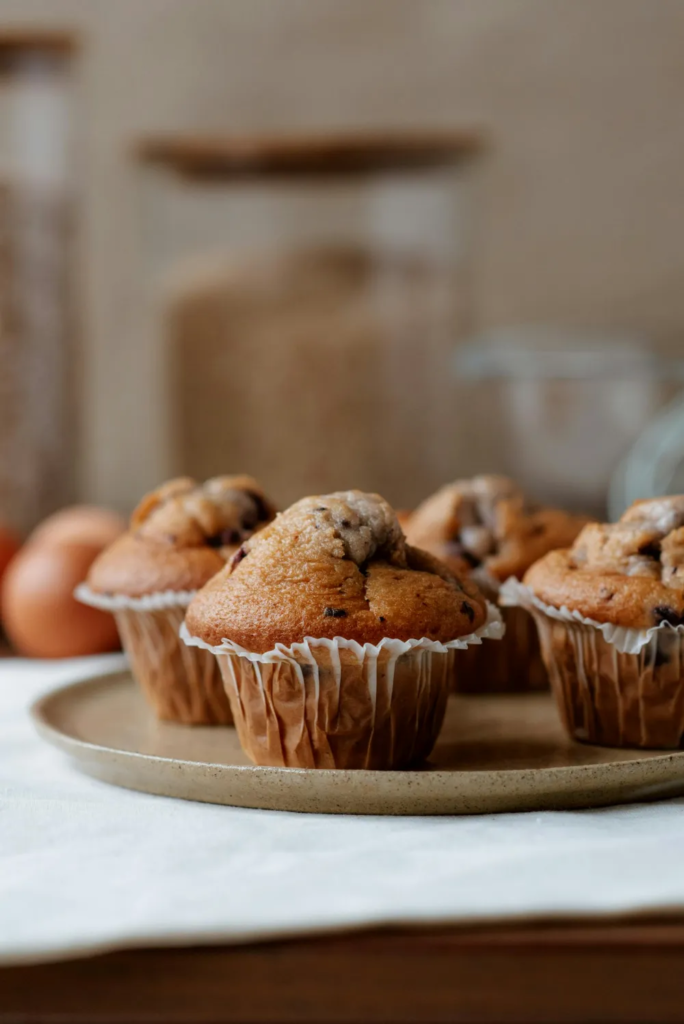
- Muffins/Quick Breads: Neutral batters prefer powder. Banana, sour cream, or molasses batters often like soda + powder.
- Cakes:
- Devil’s food / natural cocoa → more soda for color and lift.
- Vanilla sponges / Dutch‑process cocoa → more powder for clean flavor and fine crumb.
- Gingerbread & molasses bakes: Molasses is acidic → soda shines.
Troubleshooting
- Soapy/metallic taste → Too much soda. Reduce and confirm you have enough acidic ingredients.
- Weak rise/flat bake → Leavening lost strength (age or moisture). Test freshness and replace if sluggish.
- Pale color → Consider a small soda boost (⅛–¼ tsp) only if the recipe includes acids. Don’t overdo it.
- Excess cookie spread → Too much soda or warm dough. Cut soda slightly and chill dough before baking.
Freshness Tests (10‑Second Checks)
- Baking Soda: Drop a pinch into lemon juice or vinegar → lively fizz = good.
- Baking Powder: Drop a pinch into hot water → steady bubbles = good. Storage: keep tightly sealed in a cool, dry spot. After opening, aim to use for baking within ~6 months.
Health & Ingredient Notes
- Sodium: Soda is sodium‑dense per teaspoon; mind total intake if you track sodium.
- Aluminum‑free powder: Many bakers prefer it to avoid any potential metallic notes in delicate flavors.
Mini Recipe Matrix

| Bake | Typical Choice | Why it works |
| Chewy chocolate chip cookies | Soda (or soda+powder) | More browning and spread, crisp edges |
| Fluffy pancakes (no buttermilk) | Powder | Reliable lift in neutral batter |
| Buttermilk pancakes | Soda + a little powder | Tall rise + great color |
| Banana bread | Soda + powder | Banana & dairy provide acidity; combo gives lift and balance |
| Vanilla cupcakes | Powder | Neutral flavor, fine crumb |
| Devil’s food cake | Soda | Natural cocoa is acidic; soda deepens color and lift |