In the first episode of Salt, Fat, Acid, Heat, Samin Nosrat travels to Japan to explore how salt shapes the very essence of cooking.
🇯🇵 Japan: Surrounded by Salt
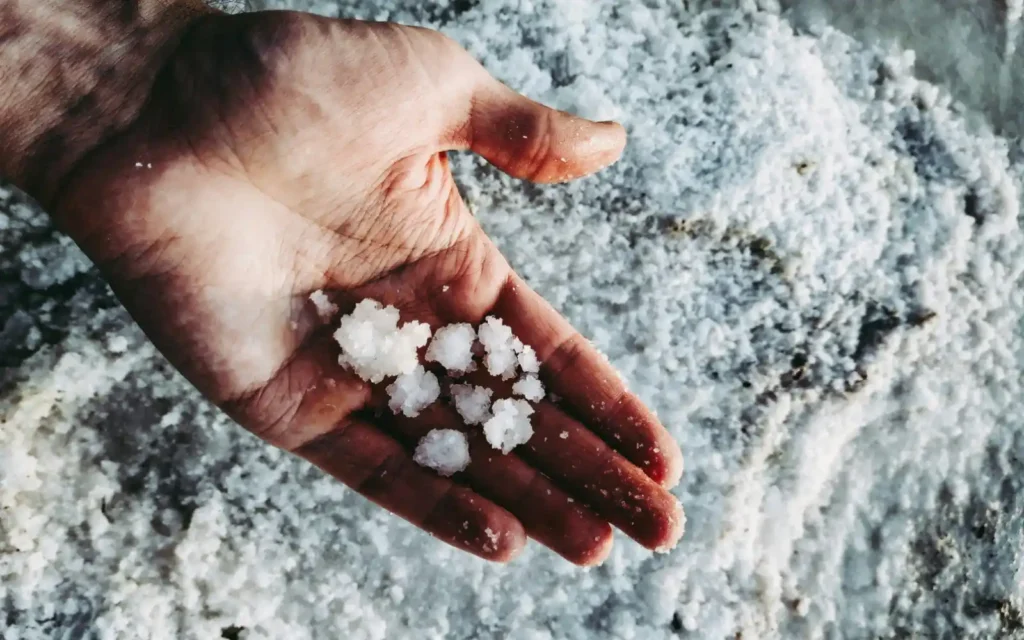
Salt is more than seasoning. It binds flavors, deepens taste, and changes food from the inside out. Japan, an island nation, is surrounded by saltwater. But unlike regions like France or the Himalayas, Japan’s climate—humid and cold—makes it difficult to evaporate seawater for salt. So, they created a different way.
In a coastal region, local harvesters collect a seaweed called hondawara. Here’s how the process works:
- After sun-drying the hondawara seaweed for a day, they send it to a salt factory.
- There, it’s boiled to extract a rich seaweed essence.
- The liquid is reduced, leaving behind mineral-rich salt crystals.
- These crystals go into a dehydrator to remove moisture.
The result is moshio—salt infused with the flavor of the ocean and seaweed.
“Most Americans think salt just comes from a store. They have no idea how it’s made.” — Samin Nosrat
Amabito No Moshio (Seaweed Salt)
This is the same seaweed-infused salt featured in the episode. Made using ancient Japanese methods from hondawara seaweed and seawater. Adds depth and oceanic umami to any dish. ⭐️ 4.7 +950 reviews)
“It brings a gentle brininess and seaweed aroma that regular salt just can’t match. A pantry essential!” — Verified Amazon Reviewer
Miso & Soy Sauce: Salt Turned to Flavor

Salt doesn’t only season food. In Japan, it creates flavor through fermentation. On Shodo Island, a miso master shows Samin how to make miso paste:
Here’s how they make miso:
- Steam soybeans.
- Blend with water, koji (a mold grown on rice), and salt.
- Seal it in an air-tight container.
- Let it rest—sometimes for up to three years.
“Time is really what delivers the taste.” — Samin
Certified organic and vegan-friendly miso paste. No GMOs, MSG, or preservatives. Great for instant miso soup or as a seasoning base in Japanese-style cooking. Gluten-free and Kosher. ⭐️ 4.3 + 1,400 reviews
“This miso is so rich and smooth—it brings authentic flavor to every soup and sauce I make. Can’t go back to anything else.” — Verified Amazon Reviewer
This isn’t fast food. This is patience turned into flavor.
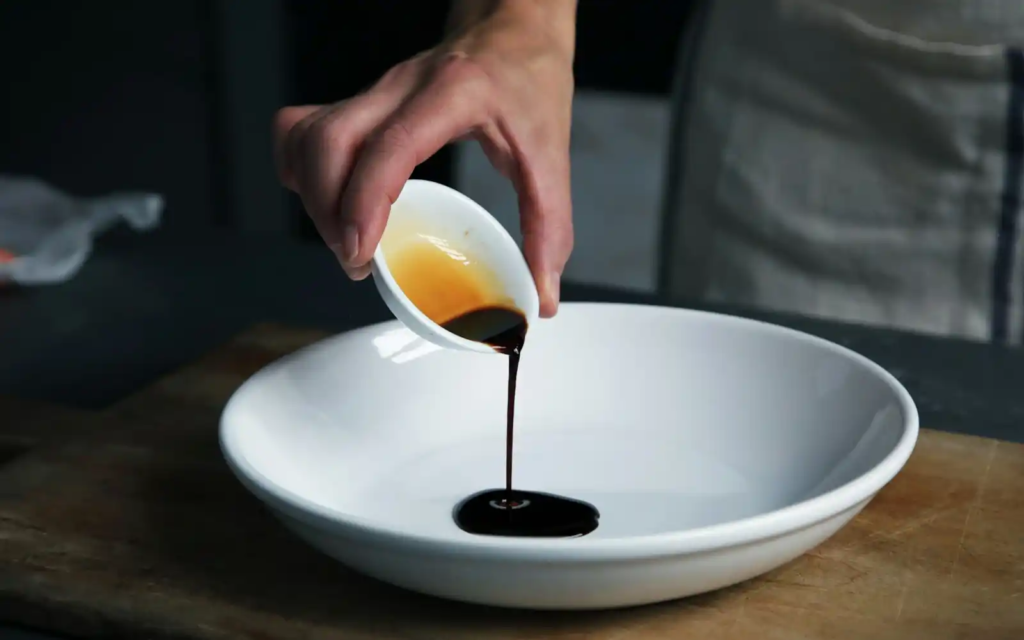
Next, Samin visits a traditional soy sauce brewer. Soybeans, wheat, salt, and water ferment slowly in wooden barrels. These natural containers encourage microbes to thrive—essential for a rich, deeply fermented soy sauce.
The taste? Complex, savory, and full of umami.
Yamaroku Shoyu Pure Artisan Soy Sauce – Tsuru Bisiho
Traditional soy sauce aged 4 years in wooden barrels, just like the one featured in the episode. Made by master brewers in Japan for rich, dark, umami-packed flavor. A true gourmet experience. ⭐️5 + 3,000+ reviews
“Incredible depth of flavor—salty, sweet, and earthy. It’s like tasting tradition. I use it on everything.” — Verified Amazon Reviewer
🌟 Unlocking Umami
Samin introduces umami—the fifth taste beyond salty, sweet, bitter, and sour. It means savoriness. And it’s everywhere in Japanese cooking:
- Miso
- Soy sauce
- Katsuobushi (dried, smoked, salted bonito)
- Kombu (dried kelp)
She cooks with her friend Yuri, making tai meshi—a sea bream rice dish—using a broth from katsuobushi and kombu. These ingredients create layers of flavor.
Samin’s Salt Using Tips
Samin shares how she salts at home:
- When she buys meat, she salts it immediately and keeps it in the fridge overnight. This seasons it deeply.
- To blanch green beans, she heavily salts the boiling water—so flavor enters quickly.
- But for rice? Just a pinch or two. Rice absorbs every drop of water, so you need less salt.
- Before roasting meat, she adds not just salt, but miso, soy sauce, or dashi to build umami-rich layers.
“Good cooking is universal. Ingredients change, but the basics don’t. It all starts with salt.”
Salt transforms. It preserves, enhances, and connects us to culture. And in Japan, it’s more than an ingredient. It’s a way of life.
🔗 Explore More
Salt, Fat, Acid, Heat: Mastering the Elements of Good Cooking
The bestselling cookbook that inspired the Netflix series. Samin Nosrat teaches the four essential elements of good cooking through science, storytelling, and beautiful illustrations. ⭐️ 4.8 + 9,800+ reviews
“This book changed the way I understand flavor. It’s not just a cookbook—it’s a food education.” — Verified Amazon Reviewer
If you’re curious about fermentation, don’t miss my blog post on fermented foods around the world, featuring miso:
👉 A Global Guide to Fermented Foods – Part 1: Asia’s Superfoods
And if you’re ready for the next element, head to Italy with Samin to discover the beauty of fat:
👉 Next Episode: Fat in Italy 🇮🇹
💛 Some links in this post are Amazon affiliate links. If you choose to purchase through them, you’re supporting this blog—thank you so much for being here.