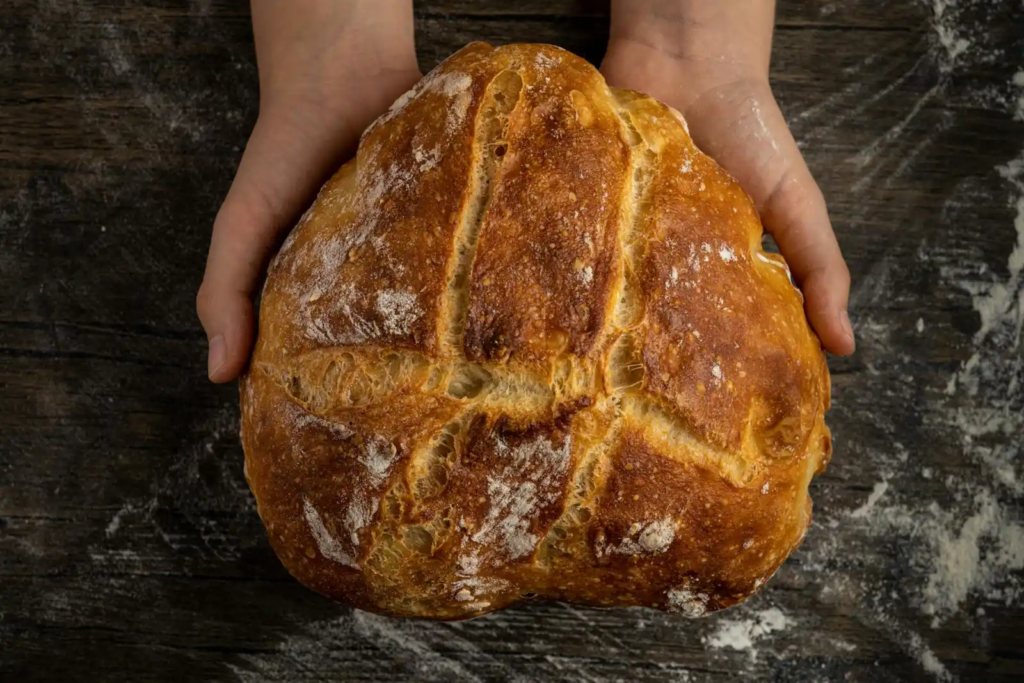
A beginner-friendly guide to sourdough success.
Getting Started with Your Starter
Create life with just flour, water, and patience.
You only need flour, water, a clean jar, and a little time. Mix equal parts flour and water, leave it loosely covered at room temperature, and soon, wild yeast and bacteria will begin to work.
Feeding and Watching It Grow
The starter is alive—here’s how to keep it happy.
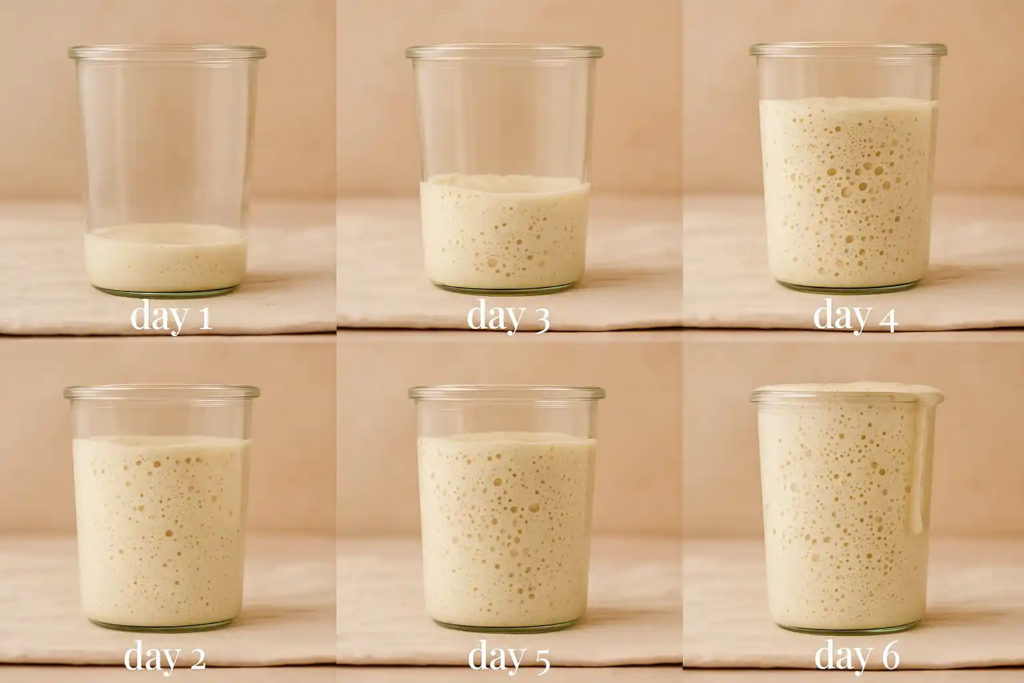
Daily feeding keeps your starter active. Here’s an easy-to-follow schedule:
| Day | What to Do | What to Watch For |
|---|---|---|
| 1 | Mix 60g flour + 60g water | Thick, paste-like texture |
| 2 | Discard half, feed again | Possible bubbles, slightly sour smell |
| 3 | Repeat feeding | More bubbles, light rise |
| 4 | Repeat feeding | Tangier smell, noticeable growth |
| 5 | Repeat feeding | Doubles in size, spongy texture |
| 6 | Feed, test float method | If it floats, it’s ready to bake! |
Refrigeration vs Room Temp
Keeping your starter at room temperature means you’ll need to feed it daily. In contrast, refrigeration slows fermentation, so you only need to feed it once a week. For frequent baking, room temp is ideal. For more flexible schedules, the fridge is your friend.
💡 Pop-up Insight: Why San Francisco Sourdough Tastes More Tangy
San Francisco’s naturally cool and humid climate allows starters to ferment slowly. This slower fermentation helps develop deeper flavor and stronger acidity. That’s why San Francisco sourdough often tastes tangier—it’s a result of climate-driven fermentation speed.
What You’ll Need to Start
Three recommendations to help you begin your own sourdough journey.
Cooked: A Natural History of Transformation by Michael Pollan
If the episode intrigued you, this book is a great next step. It deepens the journey into cooking’s elemental roots—from baking bread to fermenting cheese—with Pollan’s signature insight and storytelling.
⭐ 4.6 +1,983 reviews
“In Cooked Michael Pollan takes a look at the major processes that go into food preparation… It revitalizes the reader’s interest in our historic food culture and the approachability of it at the individual level.”
– Verified Amazon Reviewer
Flour Water Salt Yeast: The Fundamentals of Artisan Bread and Pizza
This book walks you through every stage of breadmaking—from mixing and fermentation to shaping and baking. Recipes not just for sourdough, but also for rustic loaves and Neapolitan-style pizza. Perfect for both beginners and serious home bakers.
⭐ 4.7 15,000 reviews
“This book took my sourdough to the next level. The instructions are clear, the photos are helpful, and I finally understand what good dough should feel like. Worth every penny.”
— Verified Amazon Reviewer
Sourdough Bread Baking Supplies – Complete Starter Kit
This all-in-one set includes a proofing basket, starter jar, scraper, lame, thermometer, and measuring tools. It’s beginner-friendly and fully equipped—so you can start baking real sourdough right away with no guesswork.
⭐ 4.7 +397 reviews
“I was completely new to sourdough and this kit made it so easy. Everything was high quality and the instructions were clear. Within a week, I was baking beautiful loaves!”
— Verified Amazon Reviewer
When It’s Ready: Let’s Bake
Time to turn that starter into bread.
Once your starter is active and bubbly, you’re ready to bake. Begin with a simple formula:
- 500g bread flour
- 350g water
- 100g active starter
- 10g salt
Here’s a simple, step-by-step breakdown for baking your first sourdough loaf:
- Mix the Dough
Combine your bread flour, water, active starter, and salt in a large bowl. Mix until just combined. No need to knead at this stage. - Autolyse (Rest)
Let the dough rest for 30 minutes to 1 hour. This helps the flour absorb the water and jump-starts gluten development. - Stretch & Fold
Every 30–45 minutes over the next 3–4 hours, perform a set of stretch and folds. Gently pull one side of the dough and fold it over, rotating the bowl until all sides are folded. This builds strength in the dough. - Bulk Fermentation
Cover and let the dough ferment at room temperature until it rises by about 50–75%. This usually takes 2–4 hours, depending on the room temperature. - Shaping
Gently remove the dough, shape it into a round or oval loaf, and build surface tension by tightening the shape. Be careful not to deflate it too much. - Proofing
Place the shaped dough into a proofing basket. Either let it rest at room temperature for 1–2 hours, or refrigerate it overnight for 8–12 hours for extra flavor. - Baking
Preheat your oven to 450°F (230°C) with a Dutch oven inside. Score the dough with a lame or sharp knife. Bake with the lid on for 20 minutes, then uncovered for another 20 minutes until the crust is deep golden brown.
Beyond the Basic Loaf
You can create more than just a basic loaf. Once you’re comfortable, try:
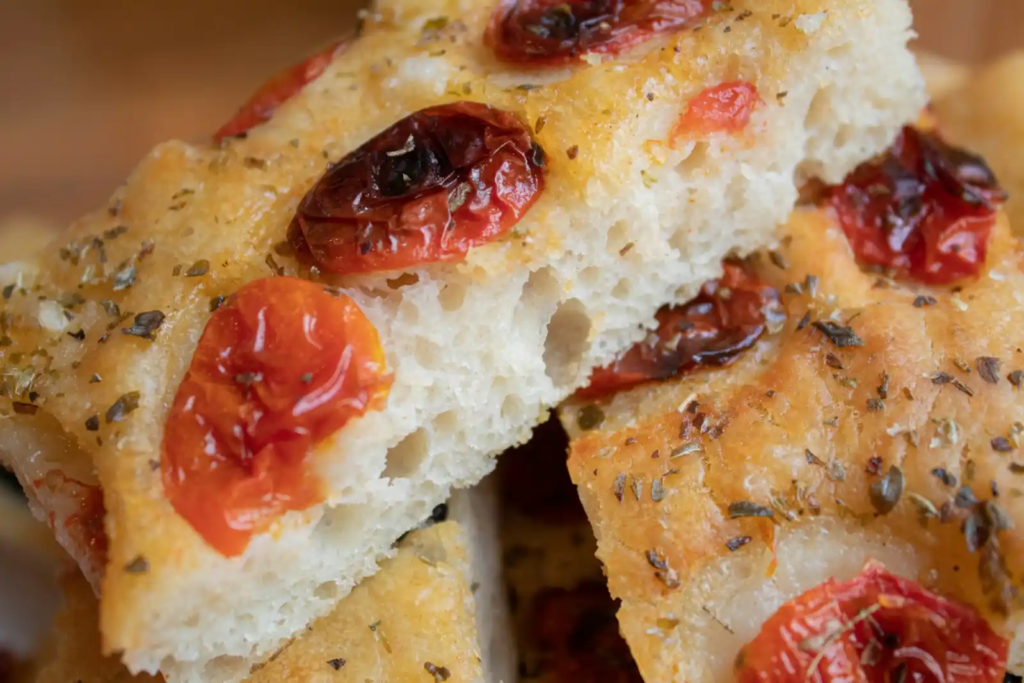
- Sourdough focaccia with olive oil and herbs
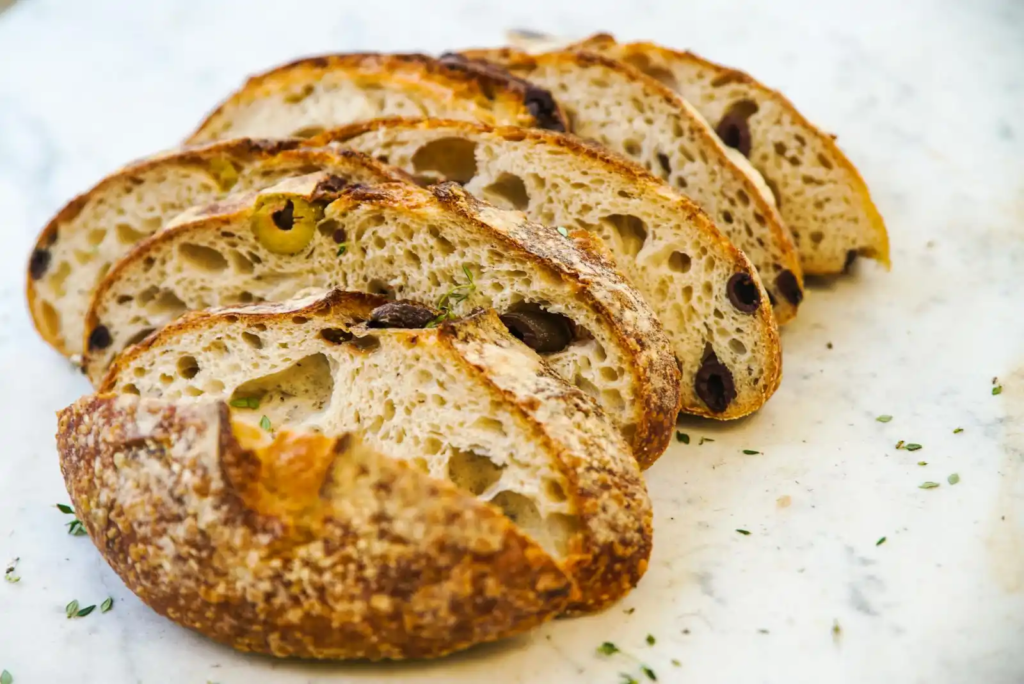
- Country-style bâtards or boules with inclusions like olives or nuts
- Sourdough pizza dough with a tangy kick
- Sourdough discard crackers or pancakes
Baking sourdough opens up an entire world of creativity, all starting with the same simple starter.
Final Thoughts
Sourdough is sour—and that’s where its strength lies.
As the name suggests, sourdough has a tangy flavor. For those who love soft, sweet bread, this might feel unfamiliar or even off-putting. But in that tang lies its strength. That slightly sour taste signals a bread that’s easier to digest, gentler on your gut, and full of beneficial microbes.
And it doesn’t have to end there. Add dried fruits or nuts, and you’ve got a loaf that’s both nutritious and comforting. Sweetness and richness can live alongside health.
Don’t worry if your first starter fails. Don’t be discouraged if your first loaf looks awkward or under-risen. What matters is that you made it. With your hands, your time, and your care.
That’s the beauty of sourdough—it’s more than just bread. It’s a personal triumph, a loaf that says, “I took care of myself today.”
Let every loaf be your reminder: you’re doing something good for yourself.
And that’s always something to be proud of.
💛 Some links in this post are Amazon affiliate links. If you choose to purchase through them, you’re supporting this blog—thank you so much for being here.