How microbes, mold, and decay became the secret to flavor, health, and survival.
🌱 Introduction
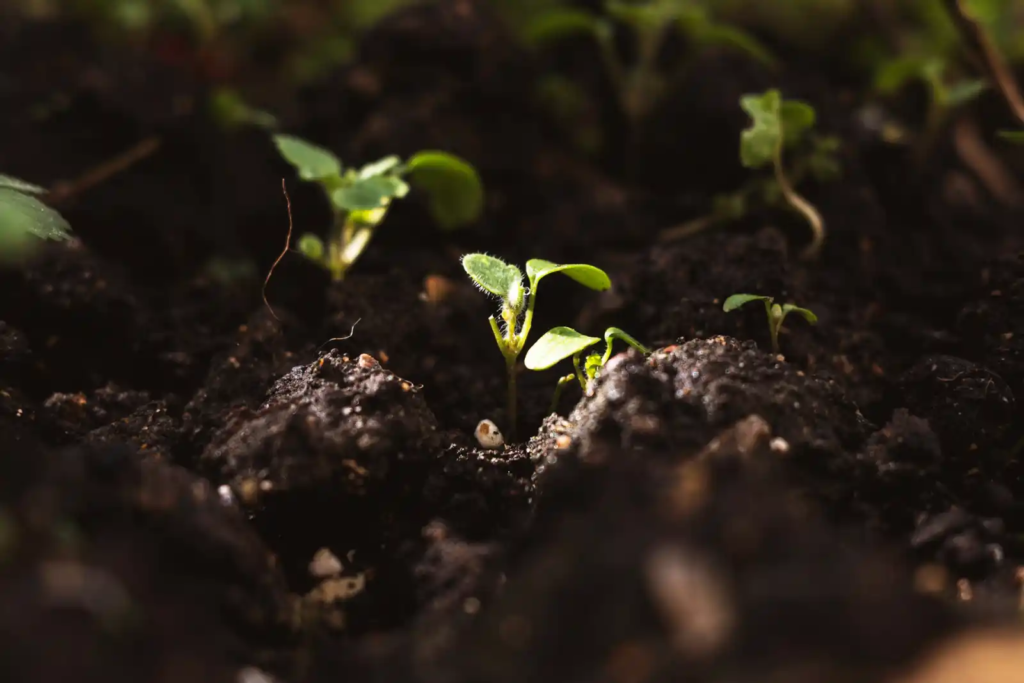
In the final episode of Cooked, Michael Pollan digs deep—literally—into the element of earth. Here, “earth” doesn’t just mean soil, but the invisible microbial world that lives all around us and within us. Through fermentation, mold, and bacteria, we learn how food transforms without fire or heat. As Pollan puts it, fermentation is “delicious rot”—and it’s essential to who we are.
From Earth to Transformation
Fermented food may not look dramatic, but it makes up nearly one-third of what we eat. From ketchup and hot sauce to tea, salami, beer, and even chocolate—microbes are behind many of our favorite flavors.
Pollan begins his journey in Peru, where the yucca root is turned into a traditional fermented drink called masato. The key? Women chew the root and spit it into a communal bowl. Their saliva breaks down the starch into sugar, creating the perfect environment for fermentation.
Some anthropologists even believe beer came before bread. Early humans may have started cultivating grain not for food, but for alcohol.
Later, Pollan and his son Isaac try their hand at home-brewed beer, showing how simple sugars and microbes can create something powerful and social.
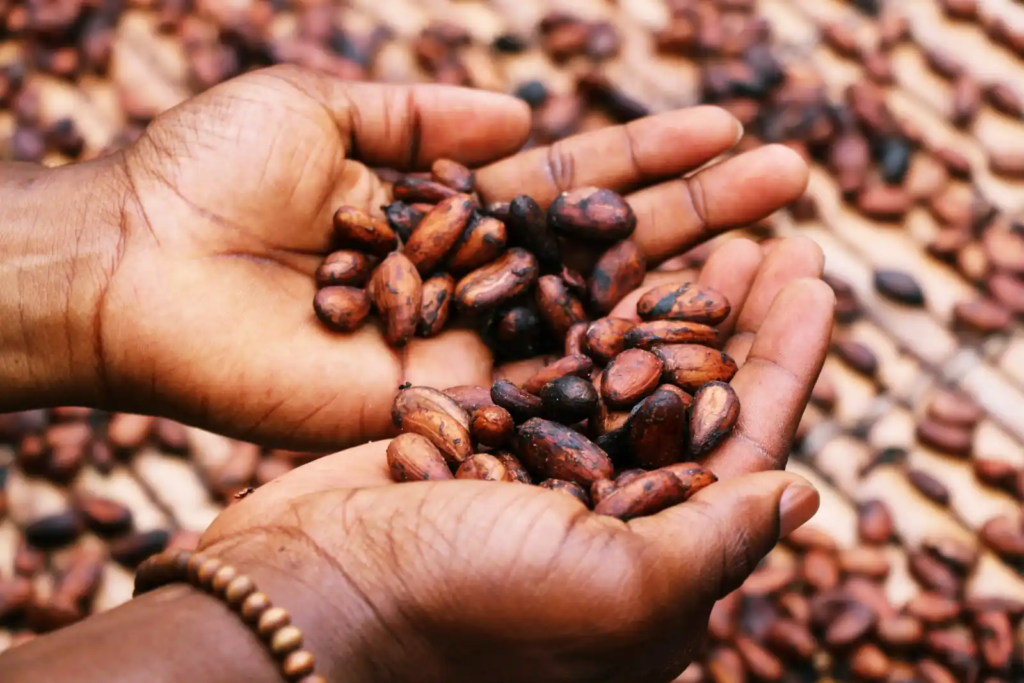
And then there’s chocolate. Pollan shows us that cacao must undergo fermentation to develop the flavor we know and love. The white mucilage surrounding the seeds ferments over several days, eventually darkening and acidifying the beans before drying.
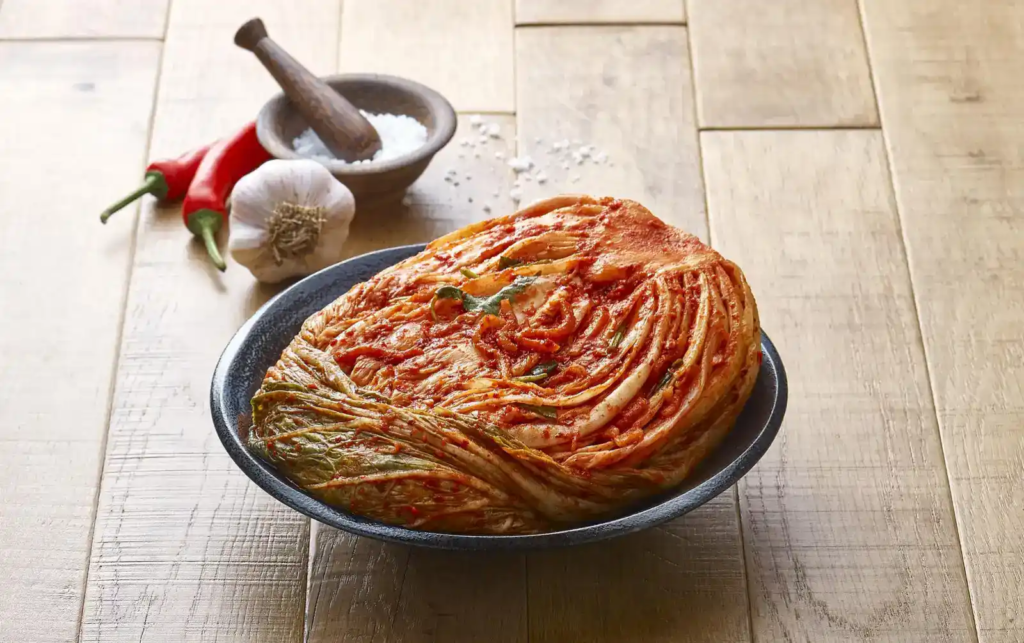
Finally, Pollan explores kimchi as a way to preserve food without refrigeration. Fermenting napa cabbage underground with salt and spices not only keeps it edible for months, but also creates lactic acid that boosts flavor and kills harmful bacteria.
What’s Cooking?
In this episode, Pollan steps into the microbial world of fermentation by trying it for himself:
- Fermented beer at home: With his son and a friend, Pollan brews beer in his backyard—exploring the social and scientific sides of alcohol.
- Fermenting cacao: Pollan witnesses the multi-day process where cacao beans are transformed into the beginnings of chocolate through heat and bacterial acid.
- Making kimchi: At home, Pollan prepares kimchi, layering cabbage with salt, spices, and time—connecting with one of Korea’s most iconic and nutritious fermented foods.
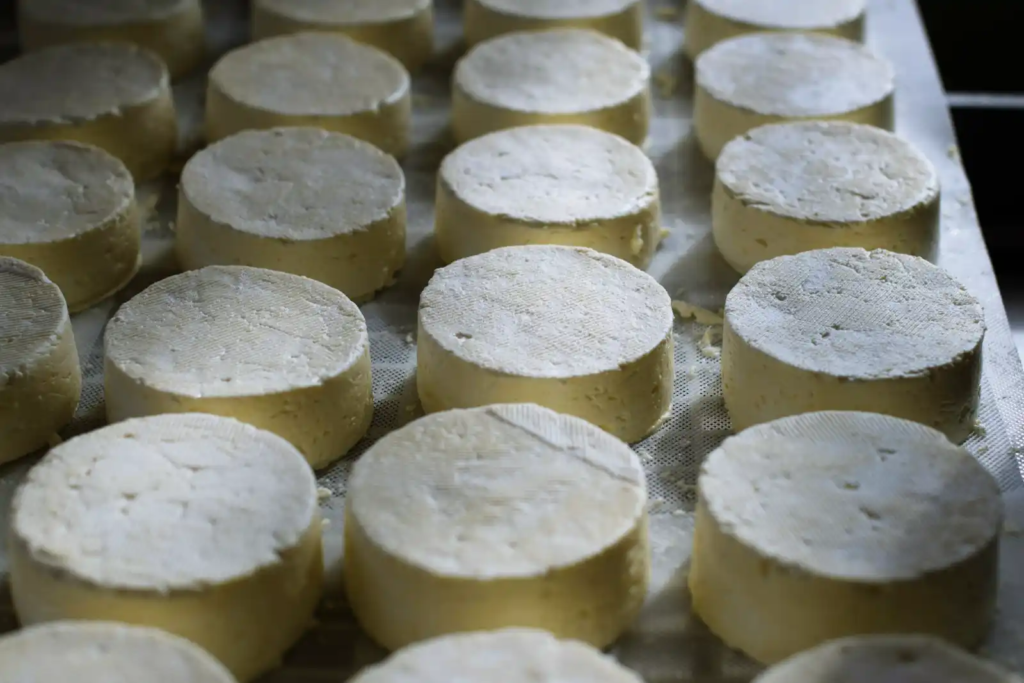
- Sister Noella and raw milk cheese: In France, Sister Noella makes traditional Saint-Nectaire cheese using raw milk and wooden barrels. Her method defies modern sanitation standards but results in deeper, richer flavor.
Bigger Than Cooking
We tend to fear bacteria—seeing them only as the cause of disease. But this episode flips that narrative. Fermentation is not contamination—it’s a controlled collaboration with microbes.
Before refrigeration, fermentation wasn’t trendy. It was essential. And it still is. Microbes not only preserve food but make it healthier. During fermentation, vitamins multiply and harmful compounds break down.
Foods like kimchi, cheese, and chocolate aren’t just delicious. They’re alive. They represent a relationship between humans and nature.
Sister Noella’s cheese-making proves that unpasteurized doesn’t mean unsafe. In fact, raw milk and wooden barrels encourage good bacteria to outcompete the bad—a system that has worked for centuries.
The real danger? Our modern obsession with sterility. When we kill all bacteria, we also destroy the ones we need. The microbiome in our gut plays a huge role in immunity, digestion, and overall well-being.
🛒 Cooked: A Natural History of Transformation by Michael Pollan
If the episode intrigued you, this book is a great next step. It deepens the journey into cooking’s elemental roots—from baking bread to fermenting cheese—with Pollan’s signature insight and storytelling.
⭐ 4.6 / 5 +1,983 reviews
“In Cooked Michael Pollan takes a look at the major processes that go into food preparation… It revitalizes the reader’s interest in our historic food culture and the approachability of it at the individual level.”
– Verified Amazon Reviewer
💬 Final Thoughts
As a Korean, fermented food has never been something exotic—it’s daily life. Seeing kimchi featured in this episode reminded me that it’s not just a dish. It’s my culture. My identity. It’s flavor and function—infused with nutrition, community, and seasonal wisdom.
Through simple but powerful foods like kimchi and cheese, I understand that preserving isn’t about stopping time—it’s about transforming it. Just like microbes do.
Fermented foods aren’t just healthy. They’re cultural. They carry memory, identity, and wisdom.
Watching all four episodes, I’ve come to appreciate Pollan’s deeper philosophy: cooking is how we transform nature’s gifts into cultural achievements. “How to transform the gifts of nature into these achievements of culture—and that’s what cooking is.”
For him, cooking isn’t labor—it’s love made visible. A way to nourish the people we care about and find unity around the table. And on that point, I wholeheartedly agree.
📚 More on Fermentation
Curious to learn more about fermented foods around the world?
🔗 Read A Global Guide to Fermented Foods – Part 1: Asia’s Superfoods
🔗 Read A Global Guide to Fermented Foods – Part 2 : Europe’s Gut-Healing Classics
Explore how traditional fermentation supports digestion, boosts immunity, and builds stronger food cultures across continents.
💛 Some links in this post are Amazon affiliate links. If you choose to purchase through them, you’re supporting this blog—thank you so much for being here.